
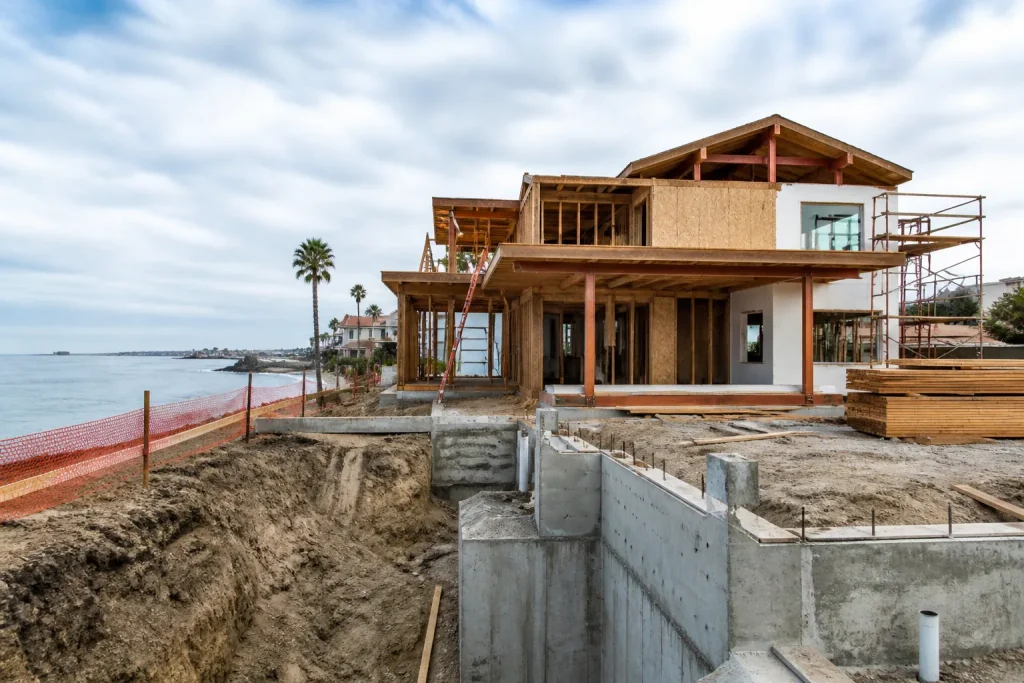
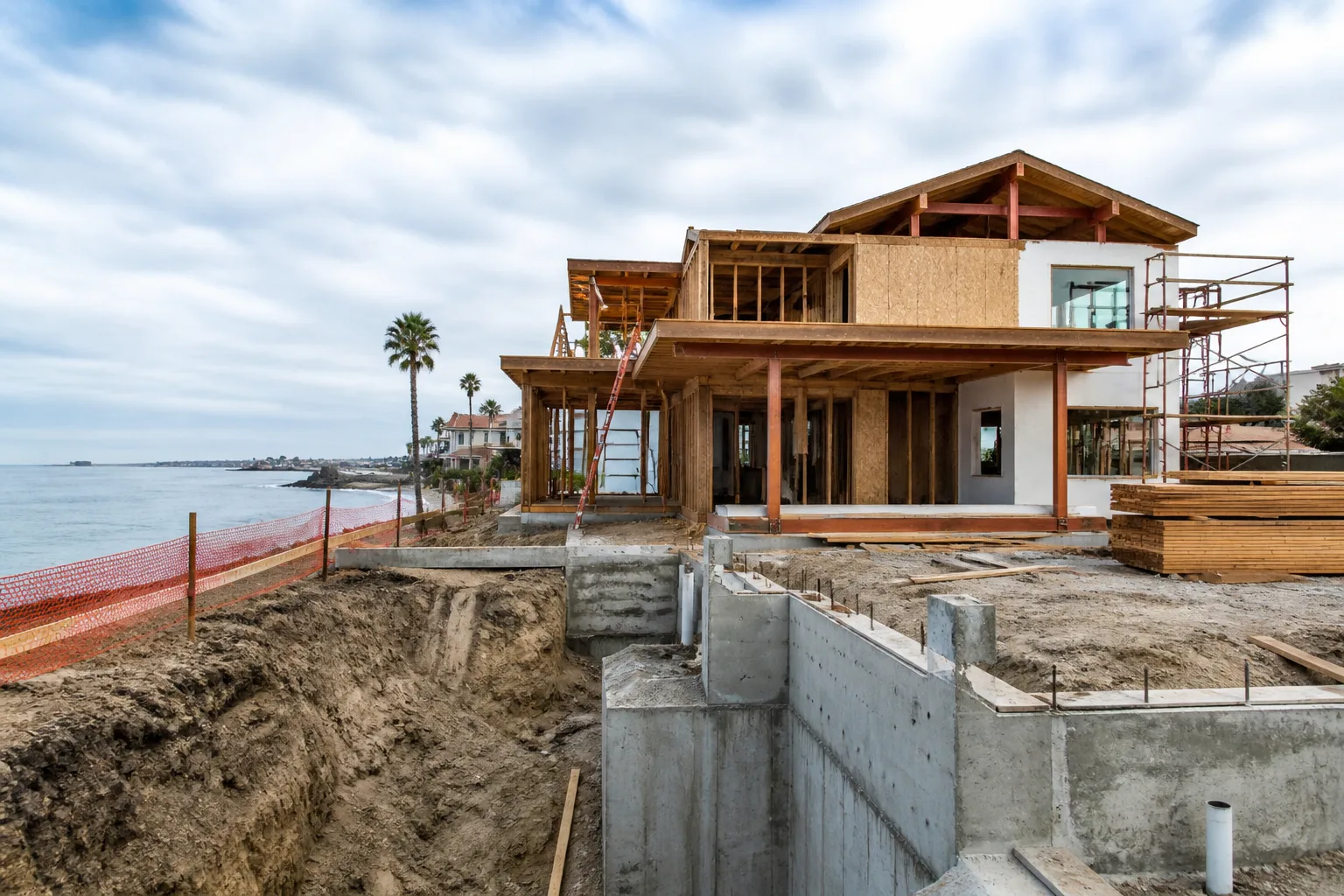
Top Signs You Need Construction Service – Don’t Ignore These
A hairline crack in a driveway is cosmetic. A hairline crack that’s wider at the top than the bottom is a soil movement problem, and there’s a good chance it’s also showing up somewhere on your foundation. That distinction is the whole game. Most Long Beach homeowners aren’t careless; they’re just reading the wrong signals. This post covers the physical cues that actually mean a professional needs to look at something before it becomes a five-figure project.
Here’s the core answer up front: you need construction service when damage is moving, not just present. Cracks that grow, doors that stop latching, water that pools where it didn’t last year, and discoloration that keeps returning after you clean it are the signs worth acting on. If you’d rather have trained eyes on it than guess from a photo, call (888) 345-8164 for a free estimate.
Key Takeaways
- Width matters less than direction. A crack wider at the top than the bottom signals movement.
- Long Beach’s clay-heavy soils swell when wet and shrink when dry, which stresses concrete and foundations seasonally.
- Efflorescence (white powder on concrete) means water is moving through the slab, not just sitting on it.
- Multiple small signs appearing together usually point to one underlying cause worth investigating.
What’s the Difference Between Settling and Shifting?
Settling is normal. Shifting is not. Every slab, driveway, and foundation in Long Beach settles to some degree in its first few years as the soil compacts under the weight. That kind of settling is slow, largely vertical, and tends to stabilize. Shifting is lateral or rotational movement, and it doesn’t stop on its own.
Here’s how to tell them apart on your property:
- Settling: small, even cracks; a slight dip in a slab that hasn’t changed in years; doors that stick in one season and free up in another.
- Shifting: cracks that are wider at one end than the other (V-shaped or stair-step); doors or windows that suddenly stop latching; paving that lifts or tents at a seam; gaps that reappear after you fill them.
Why the distinction matters: settling often needs a cosmetic fix, while shifting points to a soil or drainage problem underneath. Patch a shifting slab and it’ll crack again within a year. We pulled a driveway assessment over in Bixby Knolls last spring where the homeowner had filled the same crack three times in two years. The third patch was the giveaway. The concrete wasn’t failing; the soil under it was moving seasonally, and no amount of filler fixes that. Fixing the cause cost less than a fourth patch would have.
Why Do Long Beach Homes Show Specific Cracks and Gaps?
Long Beach sits on expansive clay soils in many neighborhoods, and clay does one thing extremely well: it changes volume with moisture. When winter rain saturates the ground, clay swells. When summer dries it out, clay shrinks. That cycle pushes and pulls on everything sitting on top of it, and it repeats every year.
The signs this leaves on Long Beach homes are fairly consistent:
- Stair-step cracks in brick, block, or stucco, where the crack zigzags at mortar joints like a staircase. These follow the path of least resistance and usually mean differential movement.
- Door frame gaps at the top corners, or doors that scrape the frame in summer and swing free in winter. That’s the frame itself moving.
- Uneven paving that gets noticeably worse after a heavy rain, then partially recovers. The recovery is the tell. Pure settlement doesn’t reverse.
- Interior drywall cracks that run diagonally from door or window corners, especially on the side of the house that gets the most sun.
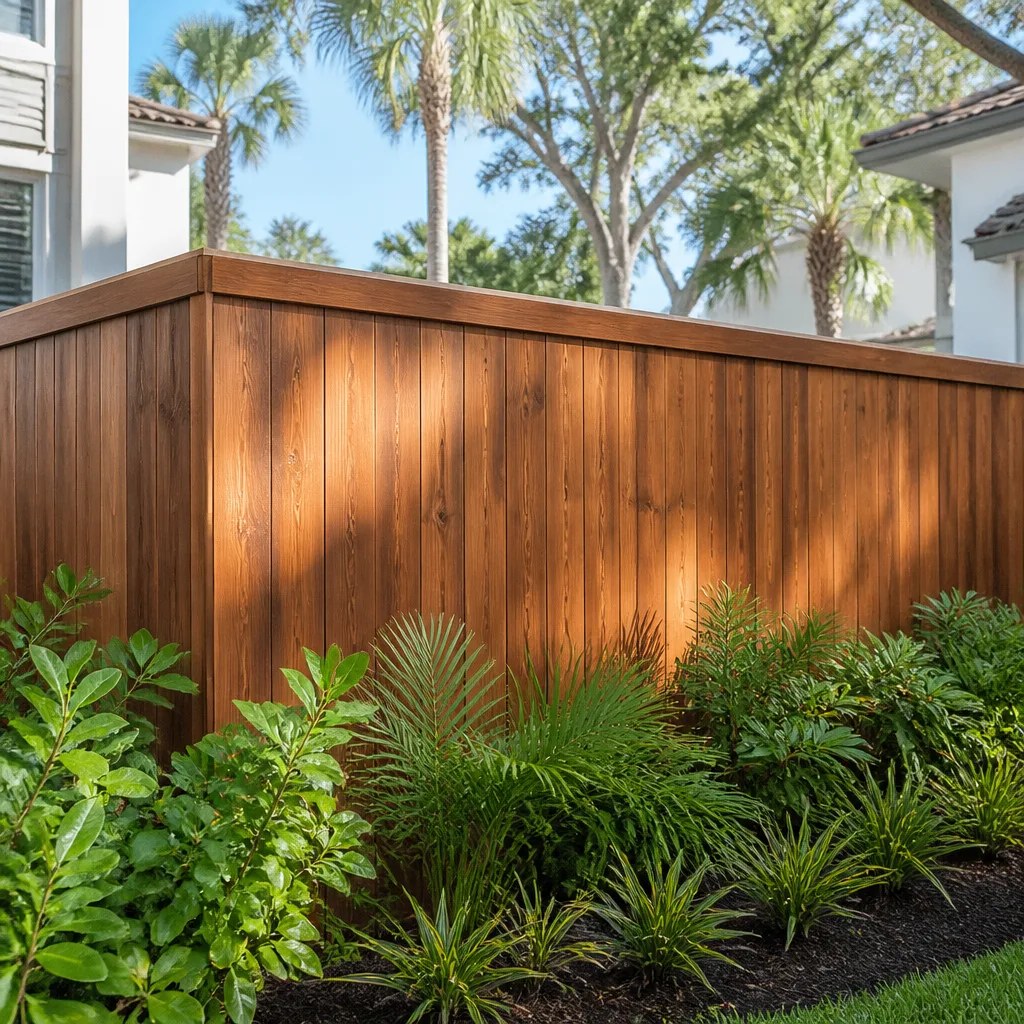
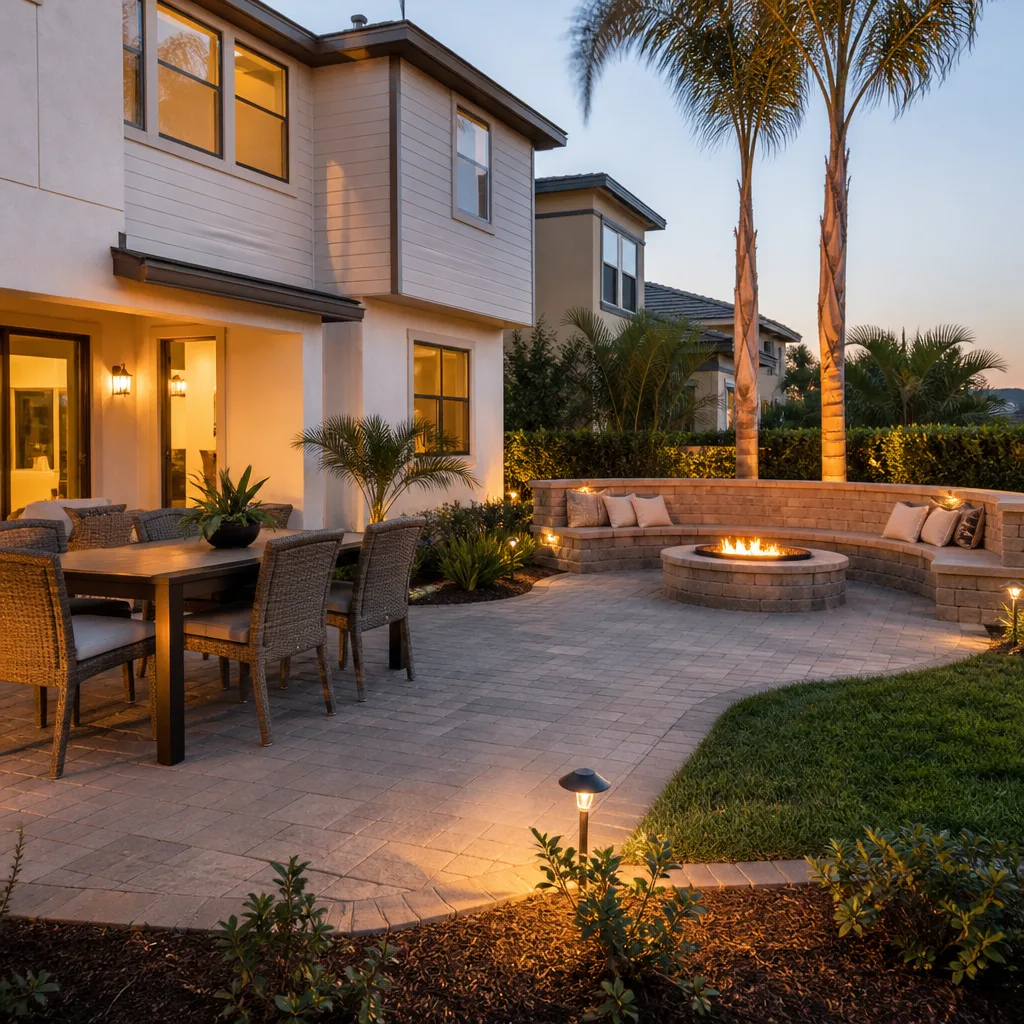
If you’re seeing these patterns around a fence line or a paved area, that’s worth a look too. Fence posts heaving and pavers lifting at the edges are often the earliest visible signs of the same moisture cycle, and they’re cheaper to address early. Our Fence Installation in Long Beach page covers how proper post footings and drainage handle this soil, and our Driveway & Pavers in Long Beach page explains base prep that holds up through the wet-dry swing.
What Water Warning Signs Do Homeowners Misread?
Water damage is patient. It rarely announces itself with a flood; more often it’s a stain you scrub away and forget. Three signals come up again and again in Long Beach, and all three get misread as minor:
- Pooling patterns. Water that stands in the same low spot for more than a day after rain is a grading problem. Standing water softens the soil under slabs and foundation edges, and over a few seasons it becomes a settlement issue. If a puddle has a permanent home in your yard, that spot is telling you where the next problem will be.
- Efflorescence. That white, powdery bloom on concrete or masonry isn’t a stain; it’s salt pushed to the surface by water moving through the material. Clean it and it comes back? Water is still traveling through the slab or wall. It typically means moisture has a path in, often from poor drainage or a crack that’s letting water in from below.
- Discoloration at foundation edges. Dark bands, rust-colored streaks, or crumbling at the base of a foundation wall mean water is wicking up or sitting against it. Check whether your downspouts dump within a few feet of the foundation. In our experience, a surprising number do.
None of these are emergencies. All of them get worse quietly, and the fix is almost always cheaper before the soil underneath has had years to move.
When Is Cosmetic Damage Masking Something Structural?
A surface eyeball check looks at what’s visible: the crack, the stain, the sticking door. A professional inspection sequence looks at why those things are showing up, and in what order. The difference in what gets found is significant.
Here’s the sequence a trained inspector typically follows:
- Map the cracks. Measure width at both ends and track direction. A crack recorded at 2mm today and 3mm in six months tells a very different story than one unchanged for a decade.
- Check level and plumb. A laser level across a floor or a plumb check on a wall reveals movement that isn’t obvious to the eye.
- Trace the water. Look at grading, downspout discharge, irrigation placement, and soil type around the foundation, not just the visible damage.
- Open the finish. Where signs point to structure, a pro will sometimes open drywall or stucco to see what’s behind. That’s the step DIY checks can’t do, and it’s where cosmetic cracks turn out to be structural.
If you’re planning a larger project anyway, the inspection folds naturally into planning. Our Home Additions & ADU in Long Beach page covers how structural assessments fit into a build, because you don’t want to pour a new footing next to a foundation that’s already moving. You can also start at our Groundwork Construction Co. of Long Beach home page for the full scope of what we handle from foundation to finish line.
How Do You Prioritize When Several Signs Show Up at Once?
This is the situation most homeowners actually face: not one obvious problem, but three or four small ones that appeared around the same time. The instinct is to fix the most visible or most annoying first. That’s usually the wrong order.
Document everything before you decide anything. Walk the property with a phone camera and take dated photos of each issue, then note:
- Is it moving? Re-photograph cracks and gaps in 30 days. Movement outranks appearance.
- Is it structural or surface? Foundation, framing, and roof issues outrank driveway cracks and paint.
- Is water involved? Anything water-related escalates faster than anything dry.
Then tackle in this order: structural and water issues first, then hardscape and exterior, then cosmetic. A settling crack in a walkway can wait a season. A foundation edge with active water intrusion can’t. On roofing specifically, we see a lot of homeowners defer a small leak because it only shows up in heavy rain, then discover the sheathing underneath has been quietly rotting. Modern shingles from partners like IKO and Atlas are built to shed water for decades, but they can’t protect decking that’s already been compromised by a leak nobody chased down.
When to Call a Pro
Call a professional when any of these are true: a crack has widened since you last checked, a door or window has stopped latching, water pools in the same spot repeatedly, efflorescence returns after cleaning, or you can’t tell whether what you’re seeing is cosmetic or structural. That last one is reason enough. A free estimate costs nothing and answers the question, which beats another year of wondering. Our technicians have up to 12 years of experience, are background-checked, arrive in uniform, and every project is backed by our 730-Day Done Right Promise: if it’s not done right, we make it right.
Related services in Long Beach: Driveway & Pavers, Fence Installation, Home Additions & ADU, and full home construction. Call (888) 345-8164 and a live person answers, any hour.
The Bottom Line
The signs that matter are the ones that move. Watch for cracks that widen in one direction, doors and windows that stop working, water that pools in the same place, and that white bloom on concrete that keeps coming back. In Long Beach, expansive clay soils make all of these more likely, which is why they’re worth a look before they become a project. Document what you find, rank structural and water issues first, and don’t patch a moving problem. If you’re in Long Beach and need help, Groundwork Construction Co. of Long Beach offers free estimates – call (888) 345-8164.
Frequently Asked Questions
It depends on direction. A crack that’s roughly uniform in width is usually cosmetic and can be sealed. A crack that’s wider at the top than the bottom, or noticeably wider at one end, indicates movement in the soil underneath and is worth a professional look. Call (888) 345-8164 for a free assessment if you’re not sure which you have.
Look for stair-step cracks in brick or block, doors and windows that stop latching, gaps at door frame corners, and uneven floors. Because of the clay soils in Long Beach, these often get worse after a wet winter or a dry summer. Any two of these showing up together warrants an inspection. Estimates are free.
You can patch cosmetic cracks, and for surface settling that’s fine. But if the crack returns within a year, the cause is below the surface and patching won’t fix it. Efflorescence and water staining are the same story: they come back until the moisture source is addressed. Call (888) 345-8164 for an exact quote before you spend on a third repair.
Not with us. We quote with no-hassle upfront pricing, and the number you see is the number you pay. We also offer 0% financing for 18 months and $1,000 off projects over $10,000. Call (888) 345-8164 to schedule your free estimate and design consult.
Ready to stop guessing about what you’re seeing? Call (888) 345-8164 for a free project estimate and design consult. A live person answers around the clock, and we’ll tell you straight whether it’s cosmetic or something that needs attention now.
Written by the team at Groundwork Construction Co. of Long Beach.
Need Construction Help?
Call Groundwork Construction Co. of Long Beach - licensed & insured, here with fast after-hours help in Long Beach.
(888) 345-8164