
Free written scope consultation - allowances, timeline, and change-order rules on paper before a single trade is scheduled
Styles & brands we work with
- Kitchen remodeling
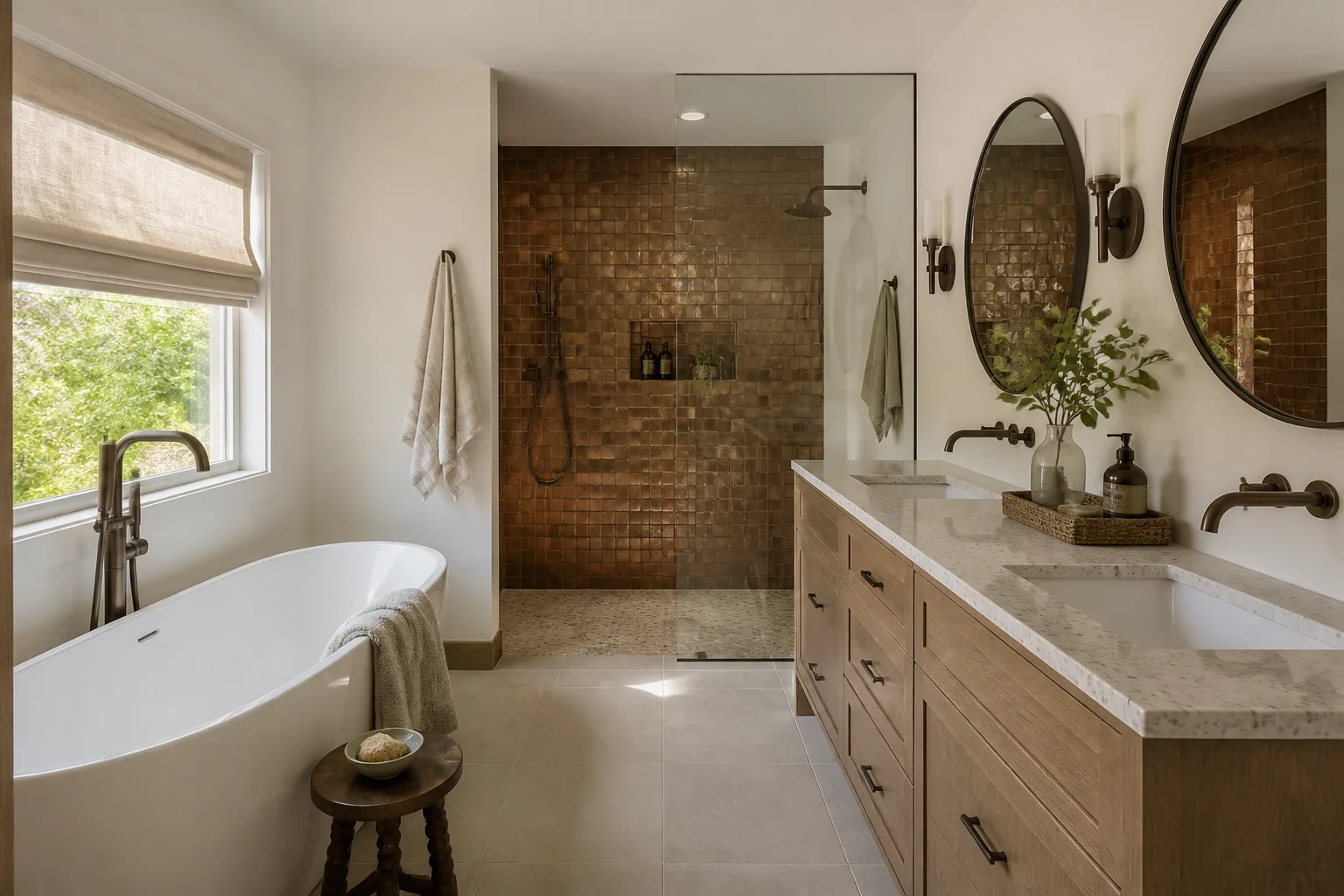
- Bathroom remodeling
- Home additions & ADU
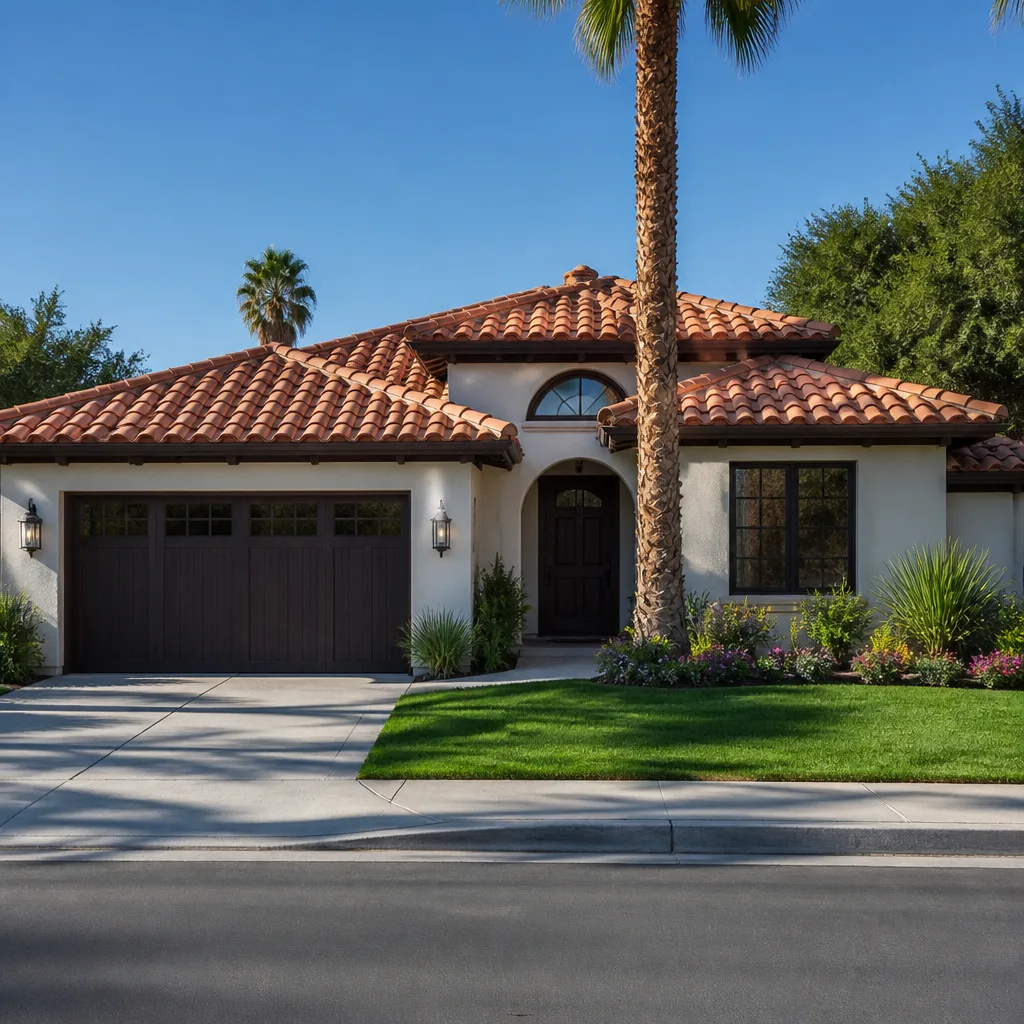
- Roofing
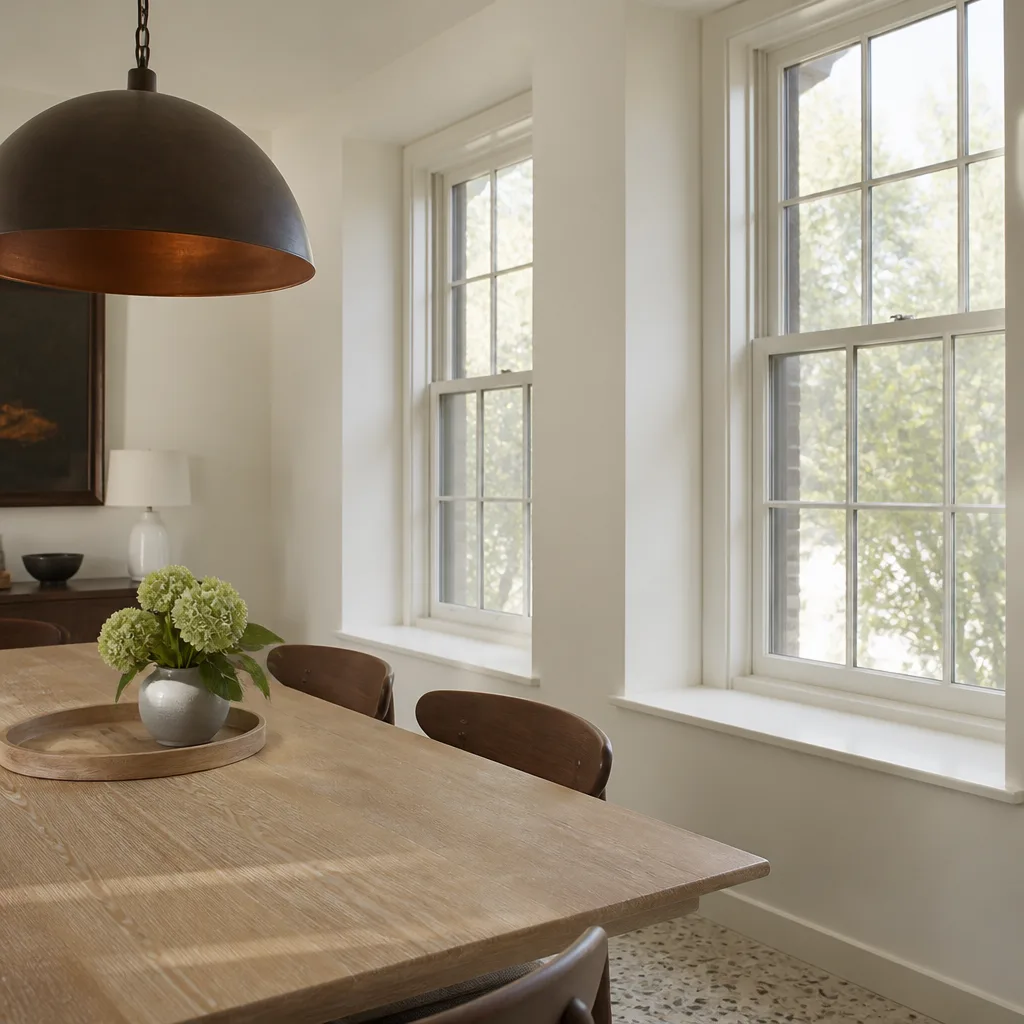
- Windows & doors
- Driveway & pavers
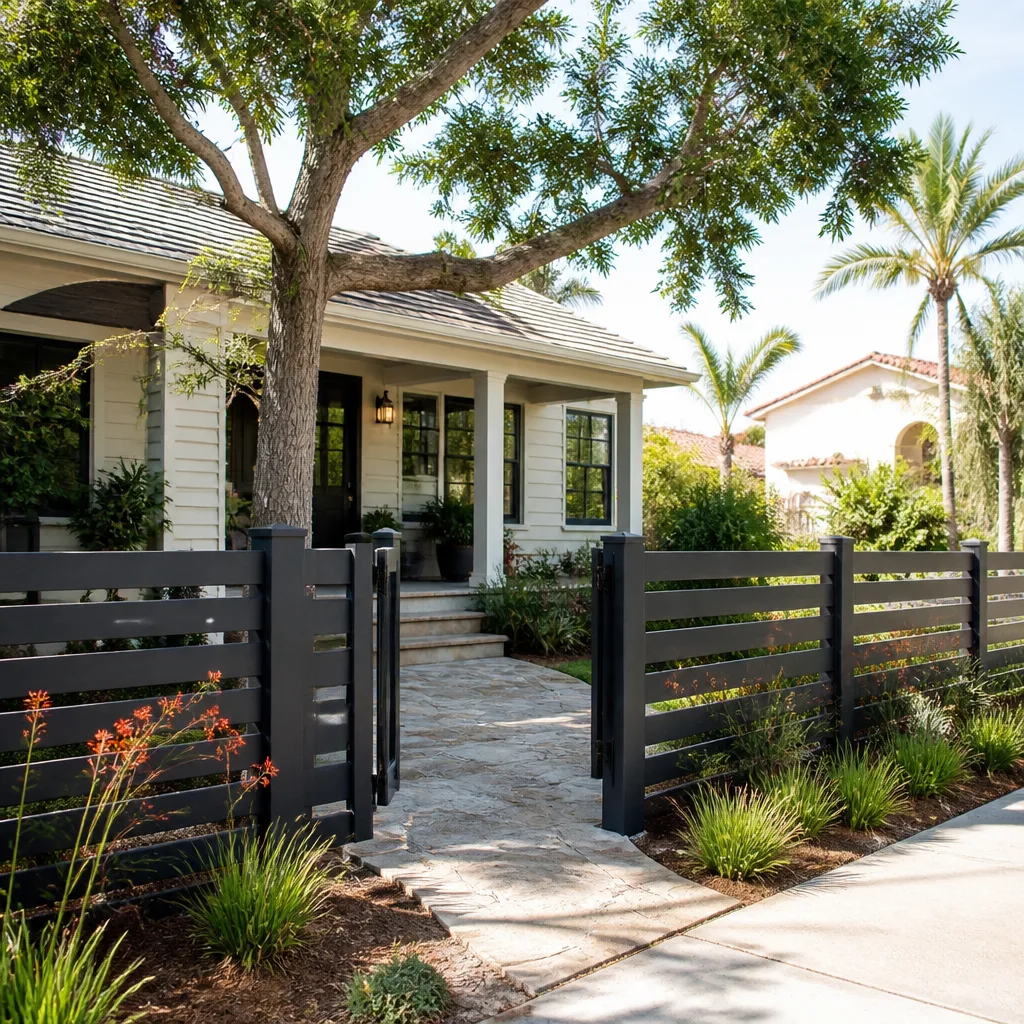
- Fence
See the difference
 Before
 After
 Before
 After
 Before
 After
Prefab ADU vs Custom Built ADU in Long Beach: Which One Actually Gets Built?
For most Long Beach lots, custom wins – choose a custom-built ADU unless your parcel sits well outside the Coastal Zone, clear of any historic-context overlay, and already has utilities stubbed to the build site. Those three conditions rarely line up on the city’s older in-fill lots, which is why a prefab ADU that looks like the cheaper path on paper often costs more by the time it clears review. Custom runs roughly $45,000 to $130,000 for the addition scope and gives you a design you can revise for the city instead of one you have to fight. Call (888) 345-8164 and we’ll tell you straight which path your parcel supports.
A prefab unit quoted at $150K can quietly become a $210K project the moment it hits Coastal Commission review. That gap is real, and most homeowners never see the math before they sign a factory order. Here’s how it plays out in Long Beach.
Why Long Beach Is a Hard City for Prefab ADUs
Long Beach construction is dominated by the collision of very old stock with very new regulation. Pre-1933 and 1930s-era bungalows and Craftsman fourplexes in Rose Park and Belmont Heights sit inside both a Coastal Zone and a designated historic context, so a single small lot can trigger Coastal Commission review, historic-district design review, and seismic retrofit rules at the same time. Inland in Lakewood or Compton, you don’t hit that stack. A prefab manufacturer builds one box and ships it everywhere; Long Beach asks that box specific questions it was never designed to answer.
Walk with us through where the prefab path breaks down.
The Coastal Zone cuts through the neighborhoods where ADUs make sense
The Coastal Zone boundary runs through Belmont Heights and Rose Park – exactly the parcels with backyards deep enough for a second unit. Once a project falls inside that boundary, the review looks at footprint, roofline, and cladding materials, not just setbacks. A factory panelized system with a fixed profile and a proprietary exterior finish has no room to adjust. Prefab suppliers we’ve seen submit in Long Beach get asked to modify the design, and modifying a factory product means redesign fees, re-engineering, and a second factory run.
Historic-context review doesn’t negotiate with a catalog
Older Long Beach parcels often sit in a historic context where the design review wants a unit that reads as subordinate to the main house in massing, roof pitch, and materials. A custom design can match an existing Spanish Colonial Revival or Craftsman roofline on the first pass. A prefab unit that ships with a flat modern roof and a metal panel skin gets flagged, and each flag costs a revision cycle.
In-fill lots in Long Beach rarely have easy foundations
Built-out 1920s parcels mean the ADU foundation has to engineer around existing utilities, old sewer laterals, and whatever a previous generation buried in the yard. On east-side fourplexes and older bungalows, we regularly find original knob-and-tube wiring feeding un-permitted additions built decades ago, and that has to be corrected before an ADU ties into the service. A site-built foundation is designed around what’s actually there. A prefab assumes a clean, level, code-ready pad – and if your lot doesn’t have one, the prep work and engineering erase the factory savings.
The Real Cost Delta, Line by Line
Here’s the honest breakdown of where prefab’s advertised price advantage goes in Long Beach. These are the line items we see on actual projects, not catalog estimates:
| Cost Item | Prefab Reality in Long Beach | Custom Reality in Long Beach |
|---|---|---|
| Base unit / shell | Quoted low, fixed design | $45,000-$130,000 (addition scope) |
| Foundation engineering for an old in-fill lot | Extra engineering + pad prep, often not in the quote | Engineered to the site from day one |
| Utility trenching on a built-out parcel | Same work, added on after the factory order | Bid upfront in the project scope |
| Redesign to meet historic-context guidelines | Redesign fees + factory re-run | Designed to comply on the first pass |
| Coastal Zone review revisions | Multiple plan revision rounds | Anticipated in the initial submittal |
An ADU construction project in Long Beach realistically runs $90,000 to $220,000 depending on size, site, and finish level. The range is wide because the site dictates so much of it. When you’re comparing prefab and custom, ask both sides to price the foundation, the trenching, and the redesign separately. That’s where the numbers converge – or flip.
Salt Air and the Marine Layer: Which Materials Actually Survive
The marine layer and salt air off the Port of Long Beach accelerate corrosion and rot on exterior wood, stucco, and fasteners. Some factory panel systems arrive with finishes and fasteners chosen for national distribution, not for a coastal climate with salt-laden air. We’ve seen them fail prematurely – trim fasteners rusting within a few seasons, panel edges taking on moisture.
A custom build lets you lock in site-specified materials from the start: James Hardie fiber cement siding, Andersen windows, and galvanized or stainless fasteners rated for coastal exposure. Those choices get written into the plan before a permit is pulled, not patched in after a factory finish fails. Kitchens and baths inside the ADU get the same treatment – Kohler fixtures and Moen plumbing that hold up to hard use, not whatever a package deal includes.
Built to last, backed in writing: our Home Additions & ADU in Long Beach team specifies materials for this climate, not for a showroom.
Permitting Timeline: Where Custom Actually Wins
A custom-built ADU designed around Long Beach’s pre-application process can move faster than a prefab that requires three rounds of plan revision to satisfy the historic-context overlay. That’s the part that surprises people. They assume factory means faster approval. In this city, approval speed comes from a submittal that anticipates the review comments – not from how the walls were built.
A custom design can be shaped to the site before the first city conversation, so the plan reviewer’s comments land on a project that’s already close. A prefab plan that fails the design review starts the clock over with factory redesign in the middle. Three revision cycles is not unusual. Compare that to a custom project that clears in the first pass. Every month of delay carries carrying costs, storage fees, and in some cases a factory holding charge.
And when the work is done, the 730-Day Done Right Promise covers every phase of a custom ADU – foundation, framing, utilities, finish. If something isn’t right, we make it right. A prefab manufacturer’s limited factory warranty doesn’t follow their truck out of the driveway, and it certainly doesn’t cover the foundation or the trenching done on your lot. If you want to understand the full construction scope, start with Home Additions & ADU.
When Prefab Does Make Sense in Long Beach
We’re not against prefab. There’s a real case for it on the right parcel – usually a lot outside the Coastal Zone, clear of any historic context, with utilities already stubbed and a flat pad ready to go. If that’s your property, a prefab can save time and money, and we’ll tell you so. On the older in-fill parcels that make up so much of Long Beach – the 1920s Spanish Colonial Revivals, the Craftsman bungalows, the dense 1950s-70s fourplexes – prefab is where the cost advantage usually disappears. Groundwork Construction Co. of Long Beach has watched this play out enough times to know which lots fit which path.
FAQs
An ADU in Long Beach typically runs $90,000 to $220,000 depending on site, size, and materials, and prefab often does not save money once you price foundation work, utility trenching, and Coastal Zone or historic-context redesign on an older in-fill lot. The factory savings tend to get absorbed by site-specific costs a custom design accounts for upfront. Call (888) 345-8164 for a free estimate on your specific parcel – we’ll price both paths honestly.
Sometimes yes, but usually not without modifications that add cost and delay – Coastal Commission review evaluates footprint, roofline, and cladding, and a fixed factory design rarely matches what the review wants. Historic-context design guidelines add another layer on many Rose Park and Belmont Heights parcels. A custom design can be shaped to those requirements before submittal. Call (888) 345-8164 and we’ll tell you whether your lot falls inside the boundary.
On a clean, unconstrained lot outside the Coastal Zone, prefab is often cheaper. On the older in-fill parcels that dominate Long Beach, custom is frequently the lower total cost once foundation engineering, trenching, and redesign are counted. The advertised prefab price rarely includes any of those. Estimates are free – call (888) 345-8164 for an exact quote on your lot.
A custom ADU designed with the city’s pre-application process in mind usually clears review faster than a prefab that needs three rounds of plan revision to satisfy historic-context guidelines. Preparation decides the timeline, not construction method. If you want a realistic date, call (888) 345-8164 and we’ll walk your parcel through the review sequence.
If you’d rather have it looked at, Groundwork Construction Co. of Long Beach offers a no-pressure assessment in Long Beach – call (888) 345-8164. Our technicians have up to 12 years of experience, all background-checked and arriving in uniform. Upfront pricing, no surprises, and 0% financing for 18 months plus $1,000 off projects over $10,000 make a custom ADU more achievable than the sticker suggests. From foundation to finish line, one contractor, one written promise.
Explore related work across our home services, including kitchen remodeling, bathroom remodeling, roofing, and window replacement, or read how we handle garage conversions and seismic retrofit for older Long Beach bungalows. Nearby homeowners in Lakewood and Compton can follow the same process, and our ADU permit guide details the review steps. For parcel-specific questions, see Coastal Zone ADU rules.
Written by the team at Groundwork Construction Co. of Long Beach, serving Long Beach, CA.


