

Free written scope consultation - allowances, timeline, and change-order rules on paper before a single trade is scheduled
Styles & brands we work with
- Kitchen remodeling
- Bathroom remodeling
- Home additions & ADU
- Roofing
- Windows & doors
- Driveway & pavers
- Fence
See the difference
 Before
 After
 Before
 After
 Before
 After
Driveway Resurfacing vs Replacement in Long Beach, CA: How to Choose
Choose resurfacing if the damage is surface-only – fading, hairline cracking, worn top layer – and the base under it is still sound. Choose replacement if the base has failed, because a resurfaced driveway over a dead base in Long Beach will crack apart within a season or two. The honest answer for most Long Beach homeowners we assess is that the base decides it, not the surface. If you’re weighing the two options right now, call (888) 345-8164 and we’ll walk you through the diagnostic before anyone quotes a number.
Resurfacing a driveway with a failed base in Long Beach is like putting new stucco on a cracked foundation. It looks fixed for about one rainy season.
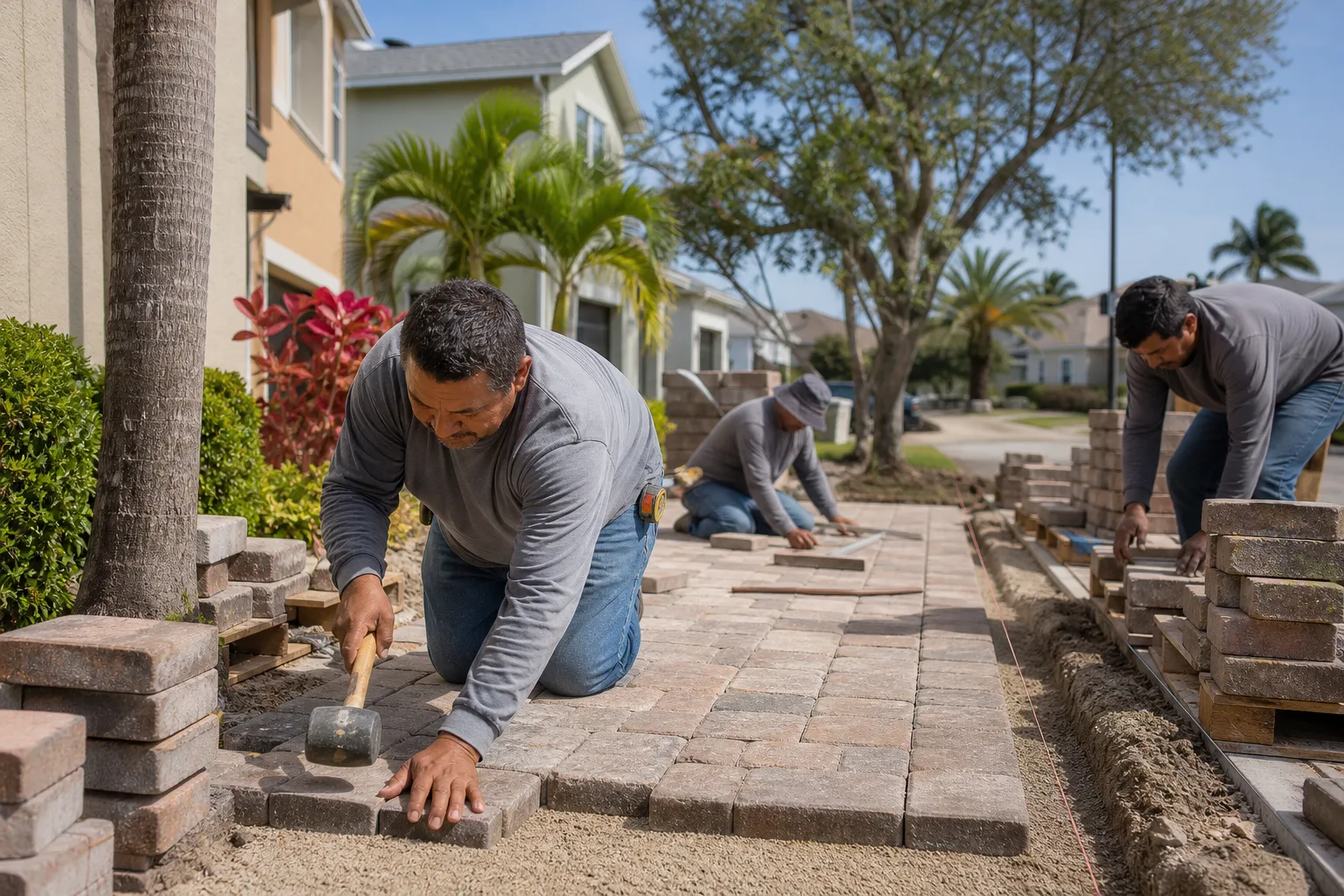
Why Long Beach Makes This Decision Harder Than It Looks
Long Beach sits on expansive clay soil, and the city’s rainfall pattern is feast-or-famine: long dry stretches punctuated by concentrated storms that drop a season’s worth of water in a few days. That combination is brutal on driveway bases. During dry years, clay shrinks, and small voids open under the slab or paver bed. You won’t see them. Then the first real rain event saturates the soil, the base shifts, and the surface you just resurfaced splits along the same weak lines that were there all along.
The marine layer and salt air off the Port don’t help either. On older exteriors around Rose Park and Belmont Heights, that salt air accelerates corrosion on fasteners and wood, and the same moisture that rots a fascia board can soften the base beneath a driveway apron. By the time cracking shows up on the surface, the base has often been compromised for a year or two. That’s the gap where most resurfacing money gets wasted.
One more local wrinkle: a lot of older Long Beach properties still have original clay drainage lines running under or beside the drive. When one of those lines leaks, it saturates the sub-base from below, and no surface treatment on earth fixes that. The leak has to be found first. That’s why our assessment starts under the surface, not on it.
The Three-Tier Diagnostic: Self-Triage Before You Call Anyone
We break driveway condition into three tiers, because resurfacing is the right call in exactly one of them and the wrong call in the other two. Here’s how to read your own driveway.
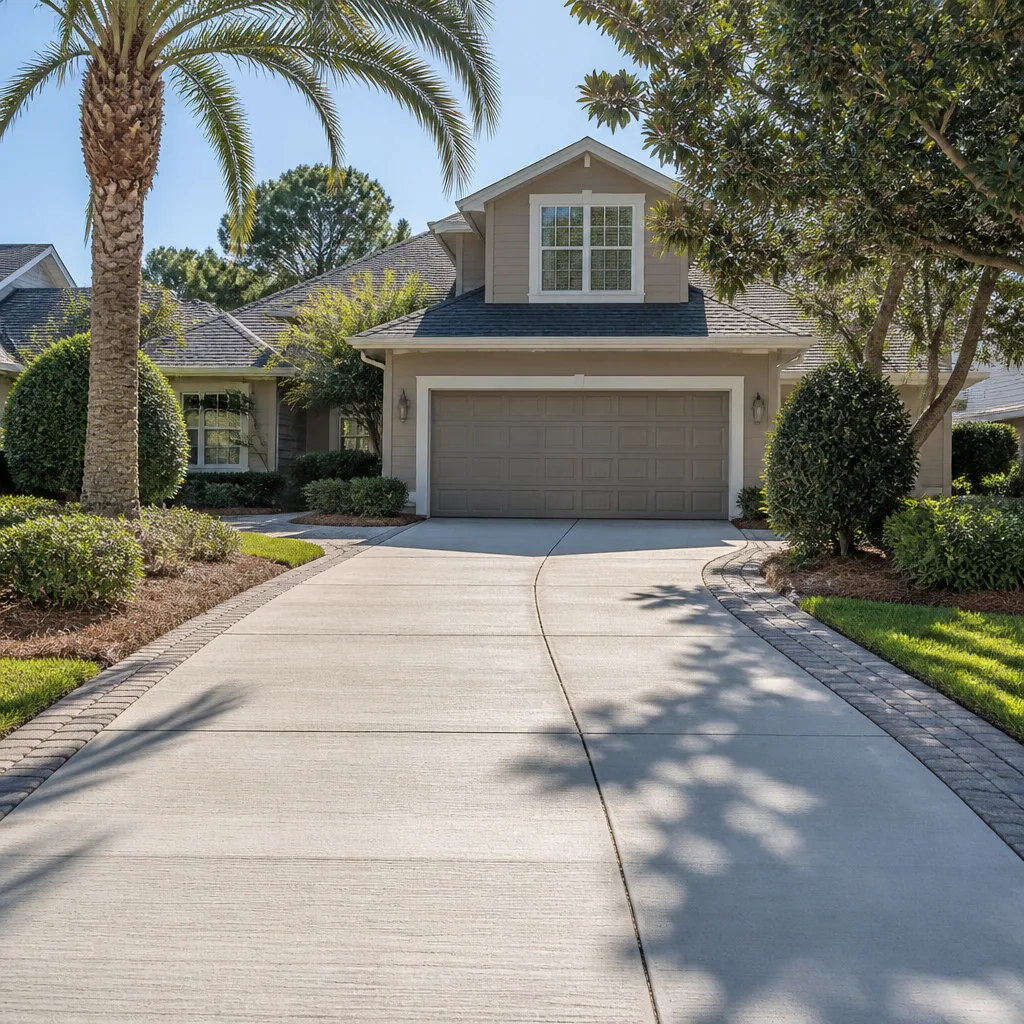
- Tier 1 – Surface-only damage. Cracks are hairline, the surface is faded or worn, and the slab doesn’t move when you walk on it. Water drains away from the house. Resurfacing works here, and it’s an economical fix.
- Tier 2 – Base compromise. You see spiderweb cracking, sections that rock slightly underfoot, or widening joints that return after patching. The base has started to fail. Resurfacing here typically fails within 18 to 24 months, and you’ve paid twice.
- Tier 3 – Full sub-grade failure. Sections have settled visibly, puddles stand on the surface after rain, cracks have opened more than a quarter inch, or the whole drive heaves and settles with the seasons. Replacement is the only honest answer.
If you can’t tell which tier you’re in, that’s normal. That’s when a trained set of eyes matters more than a web search. Our technicians have up to 12 years of experience reading exactly this kind of base failure, and our Driveway & Pavers service page covers the full range of what we install. When you want the whole category in one place, our Driveway & Pavers in Long Beach page lays out the options.
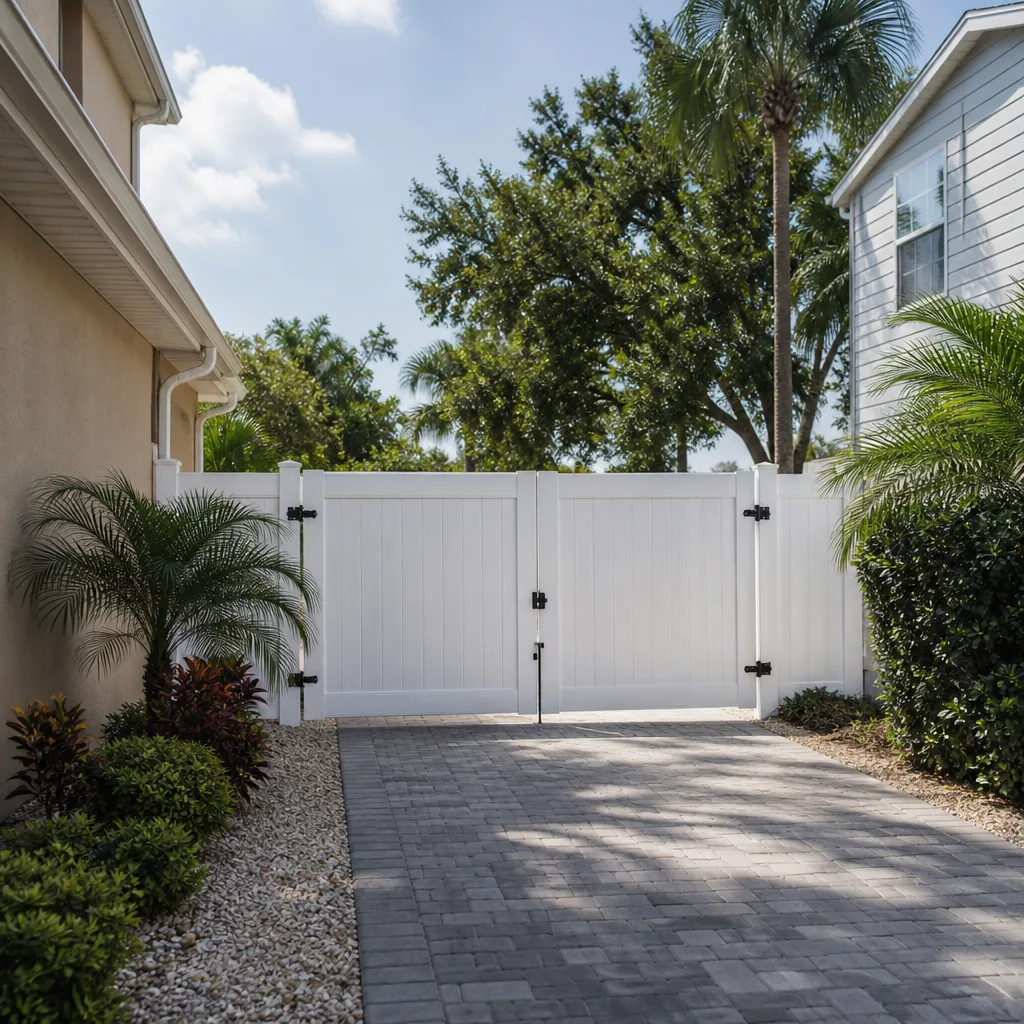
The Cost Trap: Why a Cheap Resurfacing Can Cost More Than Replacement
Here’s the math that trips people up. A resurfacing job priced at $3 to $5 per square foot sounds like you’re saving thousands. But if that driveway is a Tier 2 base failure, you’ll be paying for it again in about 18 months, and this time you’ll be doing replacement anyway. Two jobs, one driveway, and the resurfacing fee buys you a season or two of looking good.
In Long Beach, real replacement pricing runs in these ranges:
| Driveway Option | Typical Long Beach Range |
|---|---|
| Driveway sealing (surface protection, Tier 1 only) | $250-$700 |
| Concrete driveway installation | $4,500-$12,000 |
| Asphalt driveway paving | $3,500-$9,000 |
| Paver driveway installation | $7,000-$18,000 |
| Driveway replacement (full removal and rebuild) | $5,000-$14,000 |
Run the arithmetic on a typical 400-square-foot drive. Resurface at, say, $4/sq ft and you’re looking at roughly $1,600. Do it twice because the base was dead, and you’ve spent $3,200 and still need to replace. A full concrete replacement at the lower end of that $4,500 to $12,000 range installs once, on a rebuilt base, and lasts. The up-front cost is higher. Over five years, it’s the cheaper path most of the time.
Groundwork Construction Co. of Long Beach prices this way on purpose: upfront pricing, no surprises. What you see in the written scope is what you pay, and every driveway project is backed by the 730-Day Done Right Promise. If it’s not done right, we make it right. If you want to spread a larger replacement across months, 0% financing for 18 months is available, and projects over $10,000 get $1,000 off.
What Actually Belongs in the Diagnostic (and in the Quote)
A driveway quote with a single number and no explanation is a red flag. When we assess a Long Beach drive, we document three things in writing: what tier of failure we found, where the water is going after a rain, and whether a drainage line or sub-slab leak is contributing. That written scope is why our recommendation holds up – you can read it, ask questions about it, and compare it against another bid without guessing what’s behind either number.
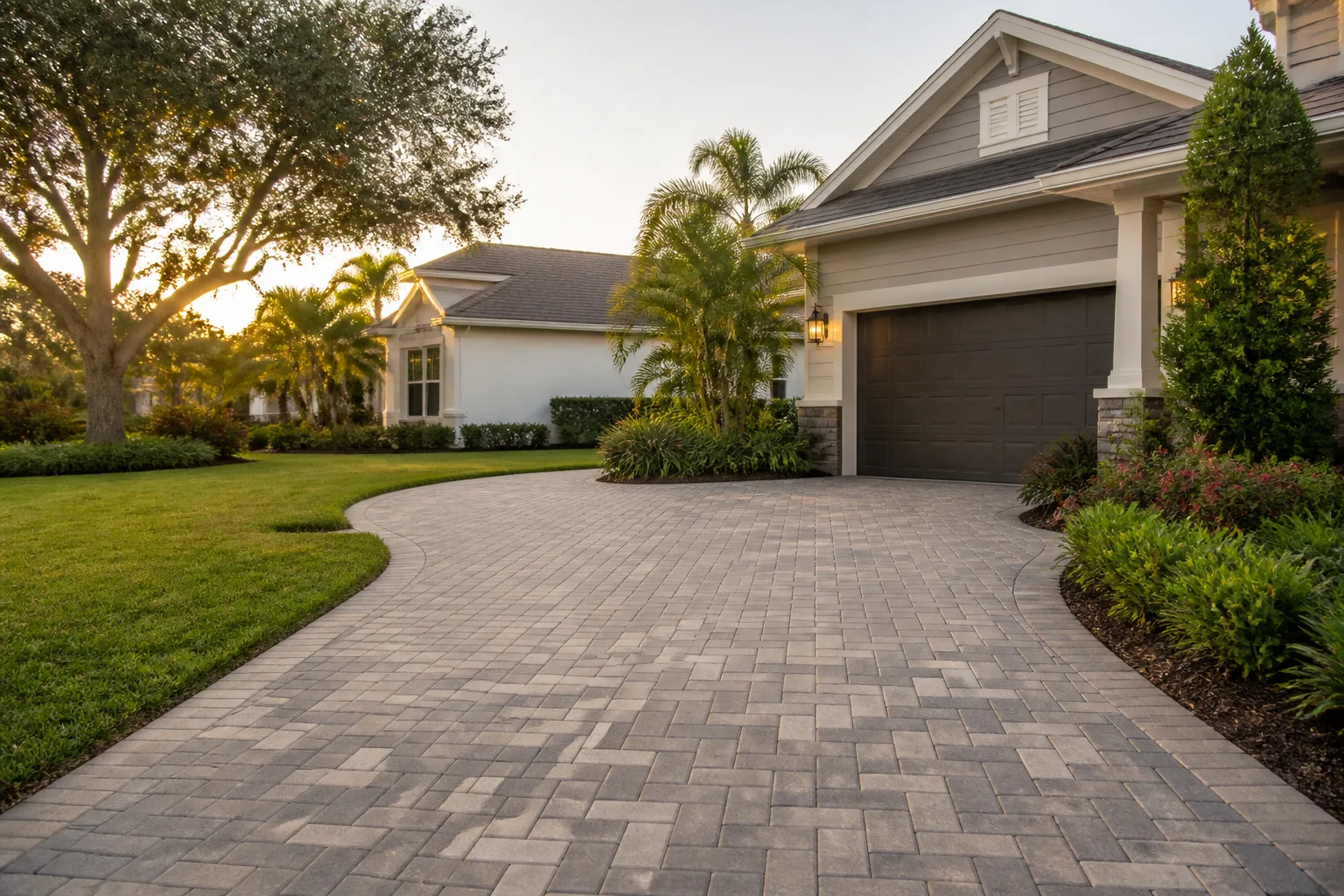
On the materials side, we work with a curated list of brand partners across every trade, and for pavers that includes Belgard – a system that handles Long Beach’s clay movement better than a poured slab in many cases, especially where the base is rebuilt correctly underneath. If your driveway abuts a stucco fourplex or an older bungalow, we also flag salt-air corrosion on your fasteners and trim while we’re there, because that’s a fix you’d otherwise discover in a year.
Want to see how this compares to the other projects on your list? Our home page lays out all seven service lines, from driveways and pavers to roofing and additions, so you can plan the whole exterior in one pass instead of piecing it together across contractors.
A Quick Comparison: Resurfacing vs. Replacement at a Glance
- Best for: Resurfacing – Tier 1 surface wear on a sound base. Replacement – Tier 2 or Tier 3 base failure.
- Typical lifespan: Resurfacing on a healthy base – several years with sealing. Replacement on a rebuilt base – many years of service.
- Timeline: Sealing or resurfacing is usually a same-day or short job. Replacement takes longer because the base is removed and rebuilt.
- Honest verdict: If the base moves, replacement wins every time, and it’s not close.
FAQs
Resurfacing typically runs $3 to $5 per square foot, while a full driveway replacement in Long Beach runs $5,000 to $14,000 depending on size and material. Sealing alone is $250 to $700 and is only worth it on a Tier 1 driveway with a sound base. Call (888) 345-8164 for an exact quote – the estimate is free and we’ll tell you which tier you’re actually in.
You can resurface over hairline cracks, but not over cracks that return after patching or that come with any movement in the slab. In Long Beach’s clay soil, cracks that keep coming back are a sign the base beneath has already shifted, and resurfacing over them typically fails within 18 to 24 months. Call (888) 345-8164 and we’ll diagnose the base before recommending anything.
On a sound base, resurfacing can last several years with regular sealing. On a compromised base, expect failure within 18 to 24 months – sometimes after the first real rain event of the season. That gap is the reason we lead with the base diagnostic rather than the surface fix.
It’s cheaper to repair only if the base is intact. Once the base has failed, repair costs more over five years because you’ll pay for resurfacing and then replacement. A concrete replacement in Long Beach runs $4,500 to $12,000 up front, and our team documents the reason for the recommendation so you can see exactly where your money is going. Call (888) 345-8164 to get the diagnostic and the written scope in one visit.
If you’d rather have it looked at than guess, Groundwork Construction Co. of Long Beach offers a no-pressure assessment in Long Beach – call (888) 345-8164. A live person answers around the clock, the estimate is free, and you’ll leave with a real answer on your base, not a sales pitch.
Written by the team at Groundwork Construction Co. of Long Beach, serving Long Beach, CA.


