Free written scope consultation - allowances, timeline, and change-order rules on paper before a single trade is scheduled
Styles & brands we work with
- Kitchen remodeling
- Bathroom remodeling
- Home additions & ADU
- Roofing
- Windows & doors
- Driveway & pavers
- Fence
See the difference
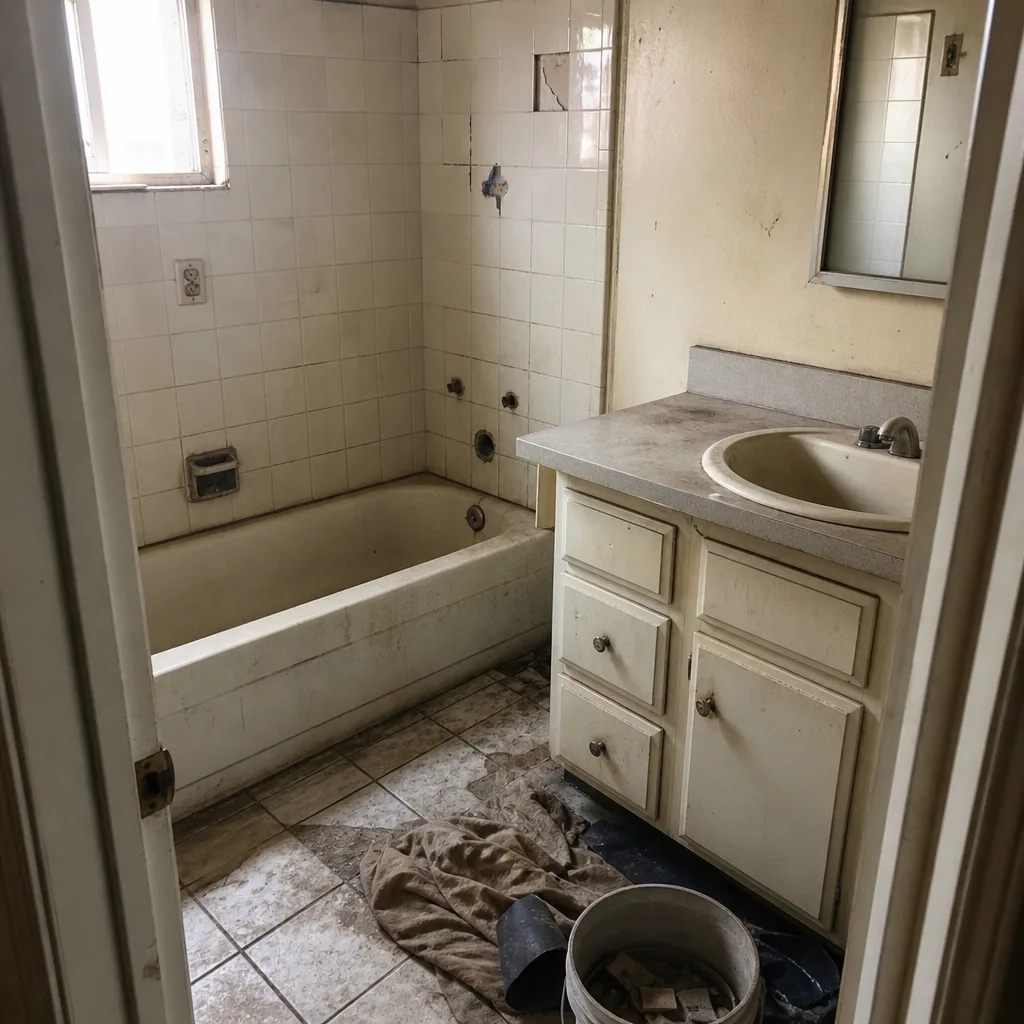 Before
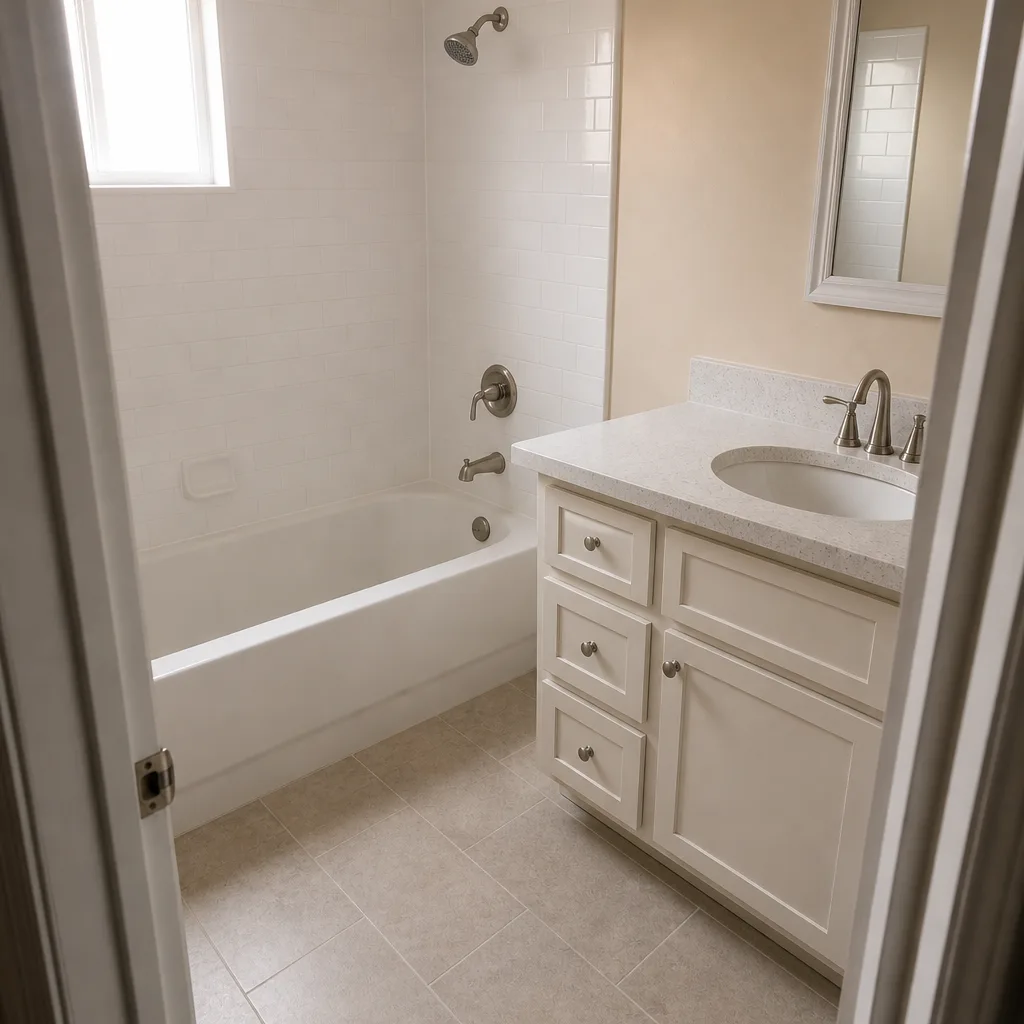 After
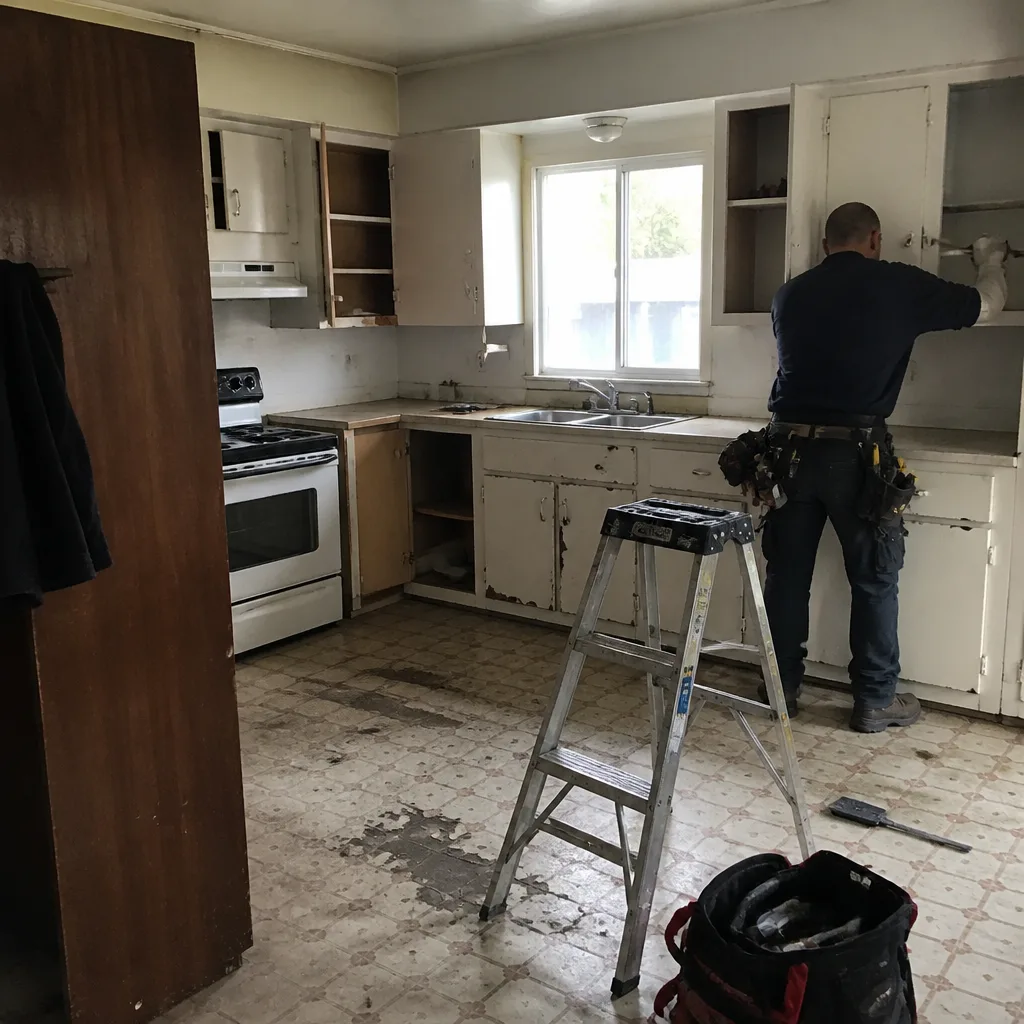 Before
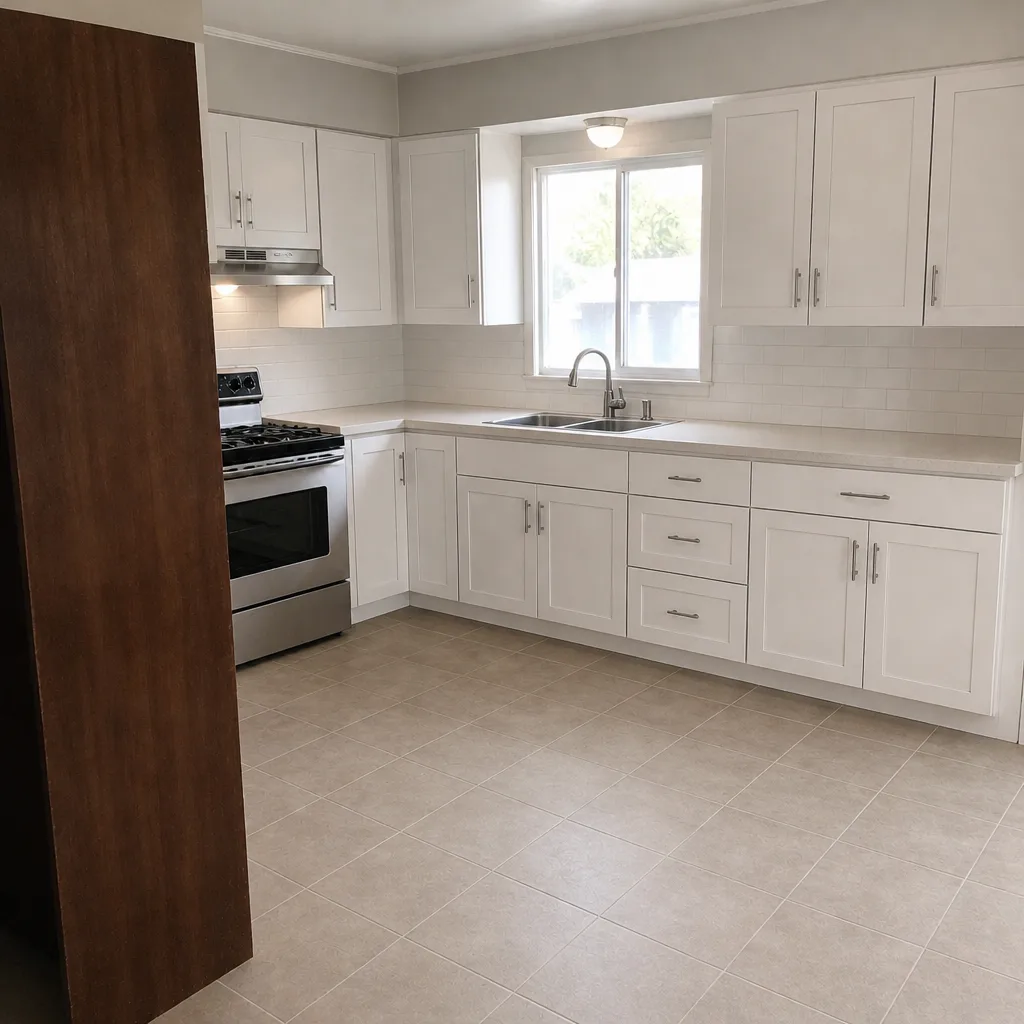 After
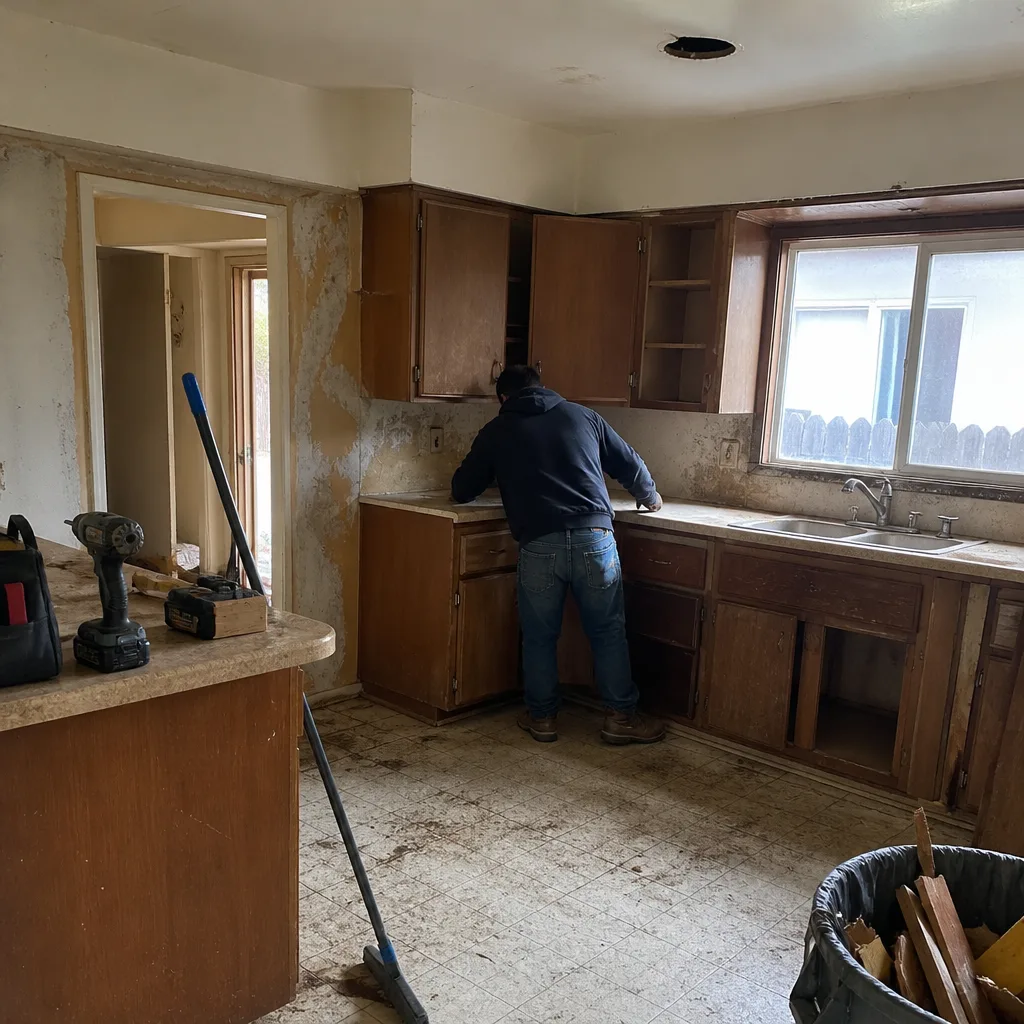 Before
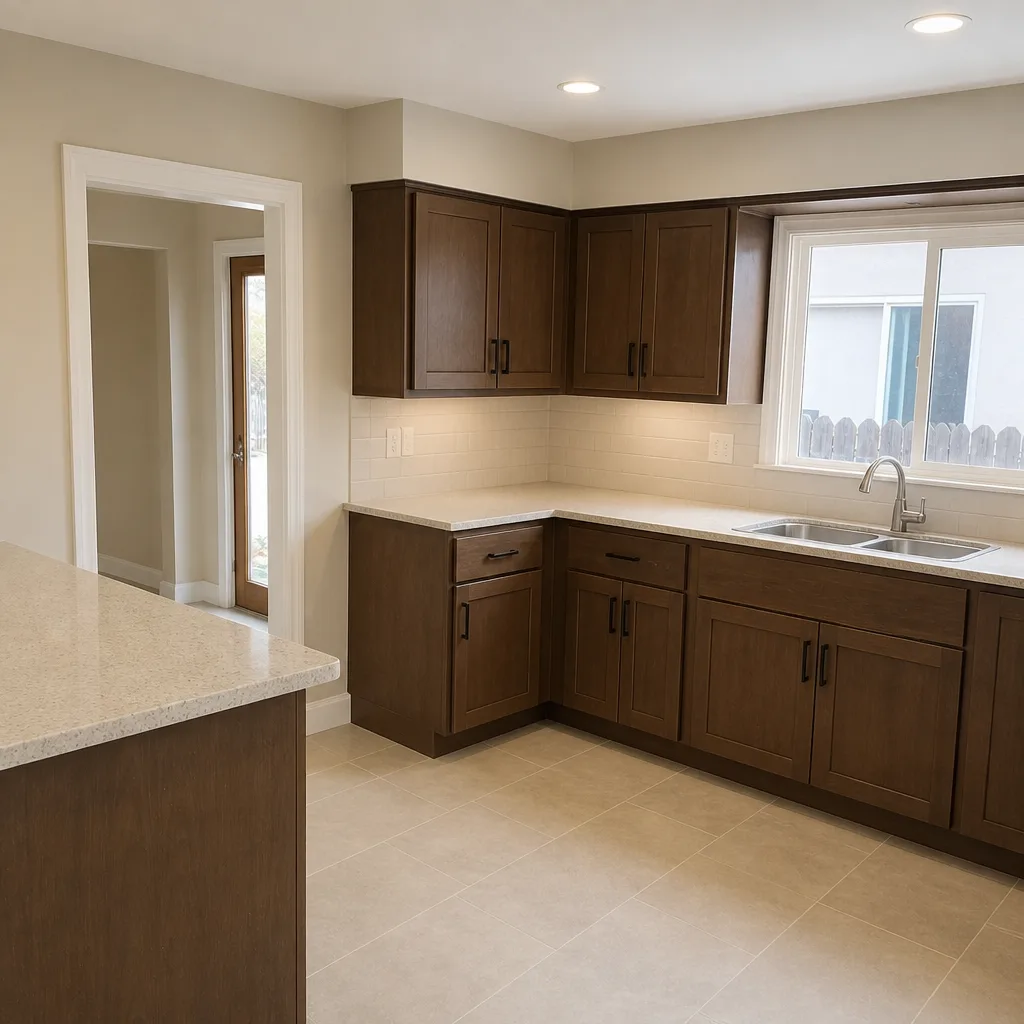 After
When to Seal a New Asphalt Driveway in Long Beach, CA
Wait 6 to 12 months before sealing a new asphalt driveway in Long Beach, and let the surface tell you when it’s ready rather than the calendar. The old 90-day rule was written for hot, dry inland climates. Here, salt air off the Port of Long Beach and the marine layer change the timeline in both directions: fresh asphalt off-gasses slowly in cool, damp air, so you can’t seal early, and coastal salinity oxidizes the binder faster than inland, so you can’t wait too long either. Read the surface, not a date. If you’d rather not guess, call (888) 345-8164 and we’ll walk your driveway and give you a straight answer.
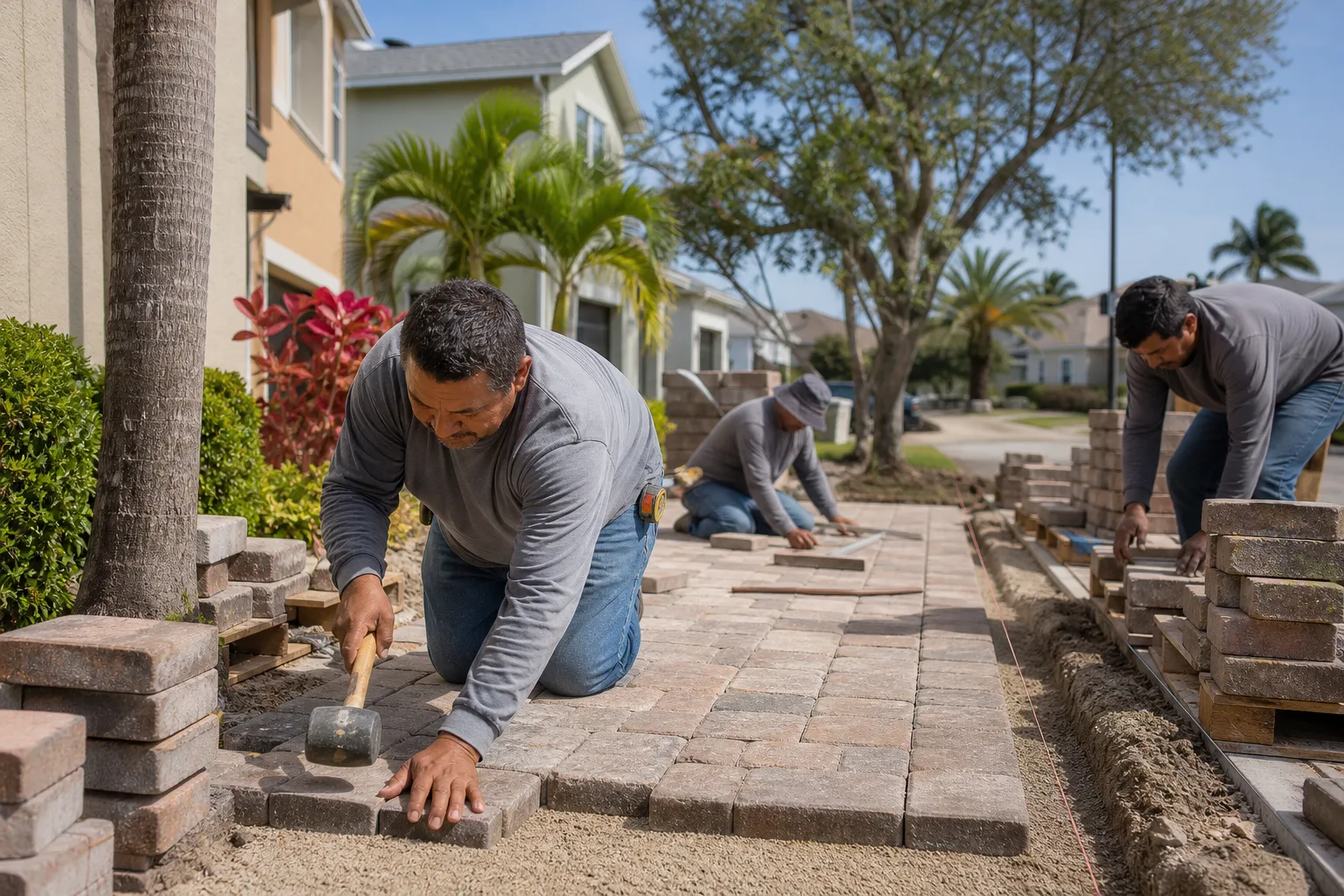
Why the 90-Day Rule Falls Apart on the Coast
If your driveway sits within a mile of the water, in Belmont Heights or the east side flats, the standard 90-day advice was written for a Phoenix cul-de-sac, not the marine layer. Two things fight the usual timeline here.
The first is curing. Asphalt cures in two stages. The oils and light solvents have to evaporate out of the binder, which is the off-gassing phase. In dry heat that happens fast. Along the coast, where humidity hangs in the air most mornings, it takes longer. Seal a driveway while it’s still off-gassing and you trap those solvents under the sealer. The result is soft spots, blisters, and hairline cracks that show up a season later, right where you paid good money for protection.
The second is oxidation. Once the surface oils are gone, UV and oxygen start breaking down the asphalt binder, which is the glue holding the aggregate together. Here’s the local part: salt air from the Port of Long Beach adds a second accelerant. Salt deposits dry on the surface and pull moisture in and out of the pavement with every fog cycle. That cycling, on top of sun, wears the binder down faster than it does in Lakewood or Compton, where you’re twenty minutes from the water and the air is far drier. On an unsealed driveway near the coast, oxidation can get ahead of you before the generic 12-month window has closed.
So you have two windows that don’t line up the way they do inland. The cure window tells you don’t seal yet. The oxidation window tells you you’re waiting too long. Somewhere between them is the right week for your specific slab, and it depends on where you are, how much sun the driveway gets, and what kind of weather the season has handed you.
Two Tests That Beat Any Fixed Calendar Date
Forget counting days. Two simple checks tell you more than any timeline:
- The hand test. Press your palm flat on the driveway on a warm afternoon and leave it there for a few seconds. If the surface feels slick or greasy, or your hand comes away with an oily sheen, the binder is still off-gassing. Wait. If it’s dry and matte, the cure is far enough along to move to the second test.
- The water-bead test. Pour a cup of water across the surface. On a fully cured driveway, the water soaks in dark and the asphalt drinks it up. On one that’s still curing or already oxidized and hard, the water beads and rolls. Beading on a brand-new driveway means wait. Beading on a driveway that’s been down a year means the binder is drying out and it’s time to think about sealer.
Those two checks, run a couple of times over a month, will tell you more than any calendar. Walk them side by side with the condition of the surface itself, and you’ll catch the right week.
Watch the Santa Ana Winds
Santa Ana wind events are the third thing the generic rule ignores. When a Santa Ana kicks up in fall or winter, humidity can crash to near zero for days. That desiccating air pulls moisture out of fresh asphalt fast, and a driveway that’s been down six months can dry and start to surface-crack in a matter of days if you leave it exposed during a strong event.
Practical rule: don’t schedule sealing during a Santa Ana cycle. Seal after one, once the surface has settled, and before the next round of winds hits. On the older properties we see across Long Beach, where a lot of driveways run along stucco fourplexes and garden apartments, that post-Santa-Ana window is usually the right one. It’s a condition call, not a date.
What Sealing Costs in Long Beach
Pricing for driveway work in Long Beach runs on the predictable side. Here’s what our market looks like:
| Job | Typical Long Beach Range |
|---|---|
| Driveway Sealing | $250 - $700 |
| Asphalt Driveway Paving (new) | $3,500 - $9,000 |
| Driveway Replacement | $5,000 - $14,000 |
| Concrete Driveway Installation | $4,500 - $12,000 |
| Paver Driveway Installation | $7,000 - $18,000 |
Sealing is the cheap insurance. A $250 to $700 seal job done at the right time is what protects the $3,500 to $9,000 you spent on the pour. Doing it too early or too late wastes the money and can shorten the life of the surface.
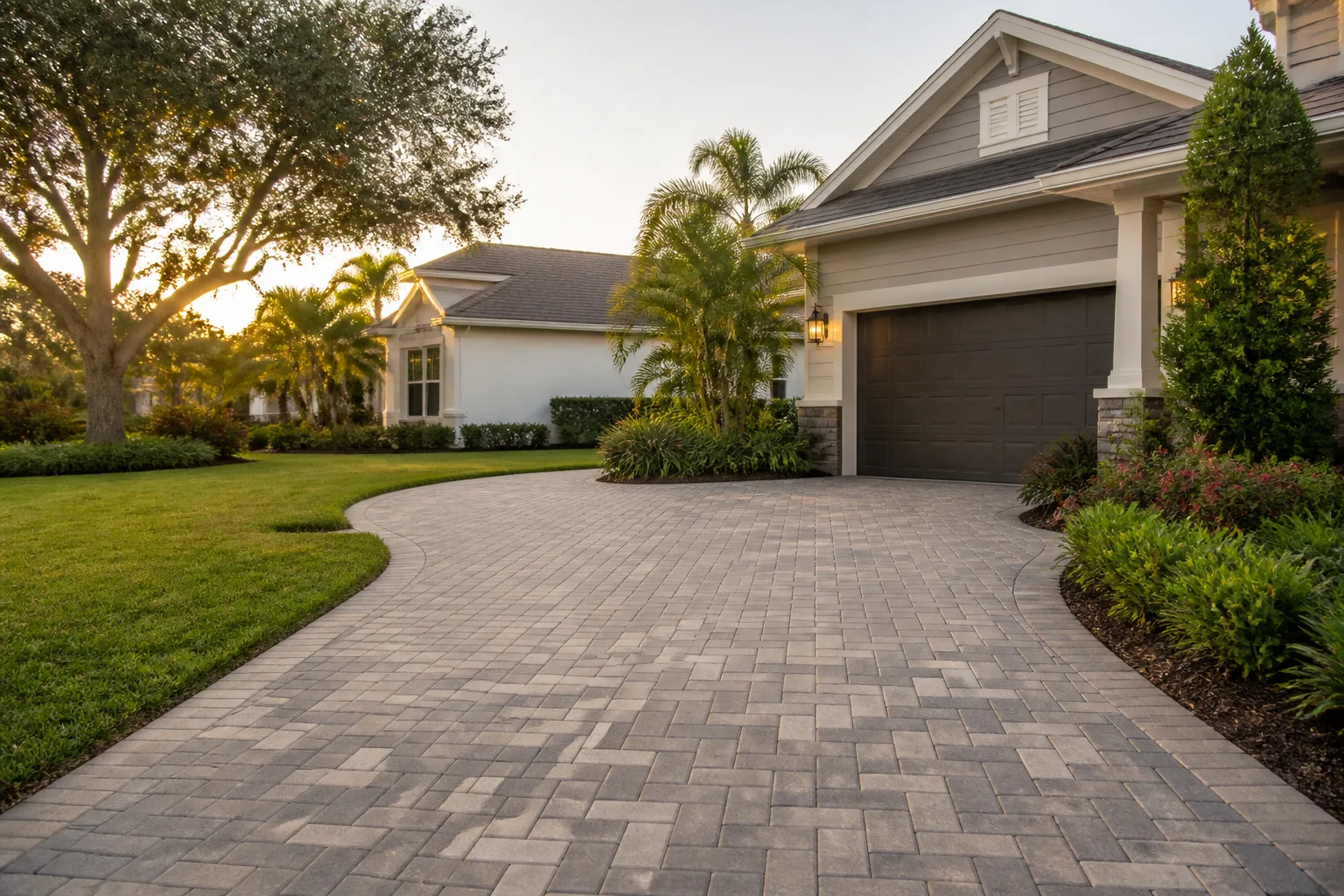
When the work is part of a larger project, Groundwork Construction Co. of Long Beach bakes the driveway schedule into the bigger scope. If you’re replacing the driveway after a remodel, or laying down Driveway & Pavers as part of a bigger exterior upgrade, the timing of the pour and the seal gets planned together. And because our home improvements are backed by the 730-Day Done Right Promise, if we spec the seal timeline, we own the outcome, not just the pour.
How Groundwork Handles the Timeline
The 730-Day Done Right Promise is the reason this page matters for us. If we recommend a seal window and it goes wrong, we make it right. That means we don’t hand you a calendar date and walk off. We walk the surface, run the tests, and put our recommendation in writing, so you know what we’re basing it on and what we’ll stand behind if the weather doesn’t cooperate.
Our technicians bring up to 12 years of experience to the job, and we use a curated set of verified brand partners across every trade, so a driveway project that touches grading, drainage, or a Driveway & Pavers in Long Beach layout gets planned as one job. If you’ve been burned before by a crew that vanished after the pour, this is the part that matters.
What to Check Before You Call
Before you pick up the phone, do three things. Note how long the asphalt has been down. Run the hand test on a warm afternoon. Check the weather forecast for the next two weeks and flag any Santa Ana wind event. Bring those notes to the call. What you’re looking for is a condition-based answer, not a template one. And if any part of the surface has already started to crack or show gray, dried-out patches, that’s a sign oxidation is winning, so have it looked at sooner rather than later.
FAQs
Usually not. A new asphalt driveway in Long Beach should wait closer to 6 to 12 months before sealing. The 90-day rule applies in hot, dry climates where off-gassing happens fast. In Long Beach’s marine layer, the cool, damp air slows that cure down, and sealing at 90 days can trap solvents and cause the surface to blister and crack. Run the hand and water-bead tests to confirm, and call (888) 345-8164 if you want a second look before you seal.
Use the hand test and the water-bead test. Press your palm on the warm surface: if it feels slick or leaves an oily sheen, the binder is still off-gassing and you should wait. Then pour water on the surface: if it beads and rolls on new asphalt, it’s still curing; if it soaks in on an older driveway, the binder is drying out and it’s time to seal. If you’re not sure, call (888) 345-8164 for a walk-through.
Salt air speeds up oxidation of the asphalt binder. The marine layer near the Port of Long Beach carries salt that deposits on the surface, and that salt pulls moisture in and out of the pavement with every fog cycle. On top of UV, that cycling breaks the binder down faster than it does inland in Lakewood or Compton. On an unsealed driveway near the coast, you can lose the surface before the generic 12-month window has closed. Call (888) 345-8164 for a schedule that accounts for it.
After. Santa Ana winds drop humidity to near zero and can pull moisture out of fresh asphalt in days, causing surface cracks. Seal after a Santa Ana cycle has passed, once the surface has settled, and before the next round of winds. Sealing during a wind event risks trapping a surface that’s drying too fast. If the timing feels tight, call (888) 345-8164 and we’ll help you read the forecast.
Get Your Driveway Timeline Right
If you’d rather have it looked at, Groundwork Construction Co. of Long Beach offers a no-pressure assessment in Long Beach. We’ll run the tests, check the forecast, and tell you the honest window for your driveway, seal included. Call (888) 345-8164 for a free estimate.
Written by the team at Groundwork Construction Co. of Long Beach, serving Long Beach, CA.