Free written scope consultation - allowances, timeline, and change-order rules on paper before a single trade is scheduled
Styles & brands we work with
- Kitchen remodeling
- Bathroom remodeling
- Home additions & ADU
- Roofing
- Windows & doors
- Driveway & pavers
- Fence
See the difference
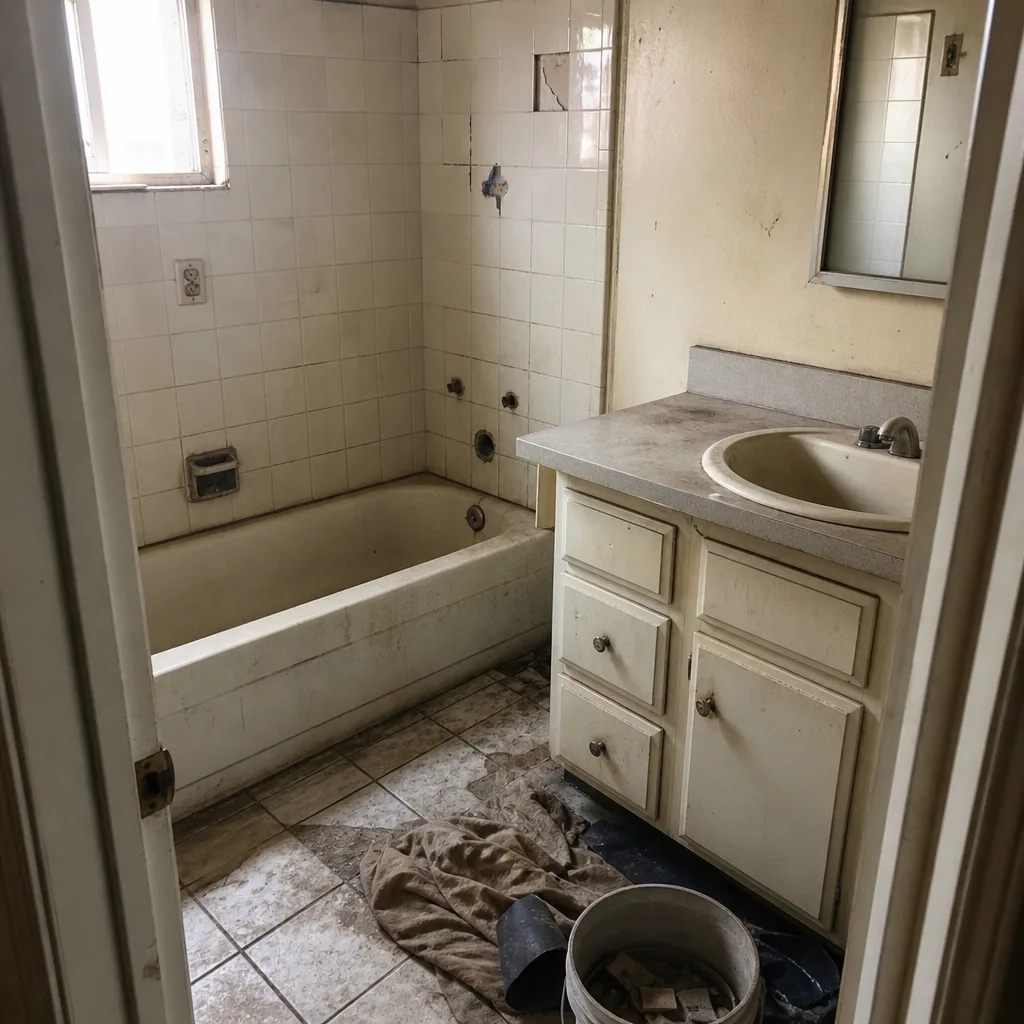 Before
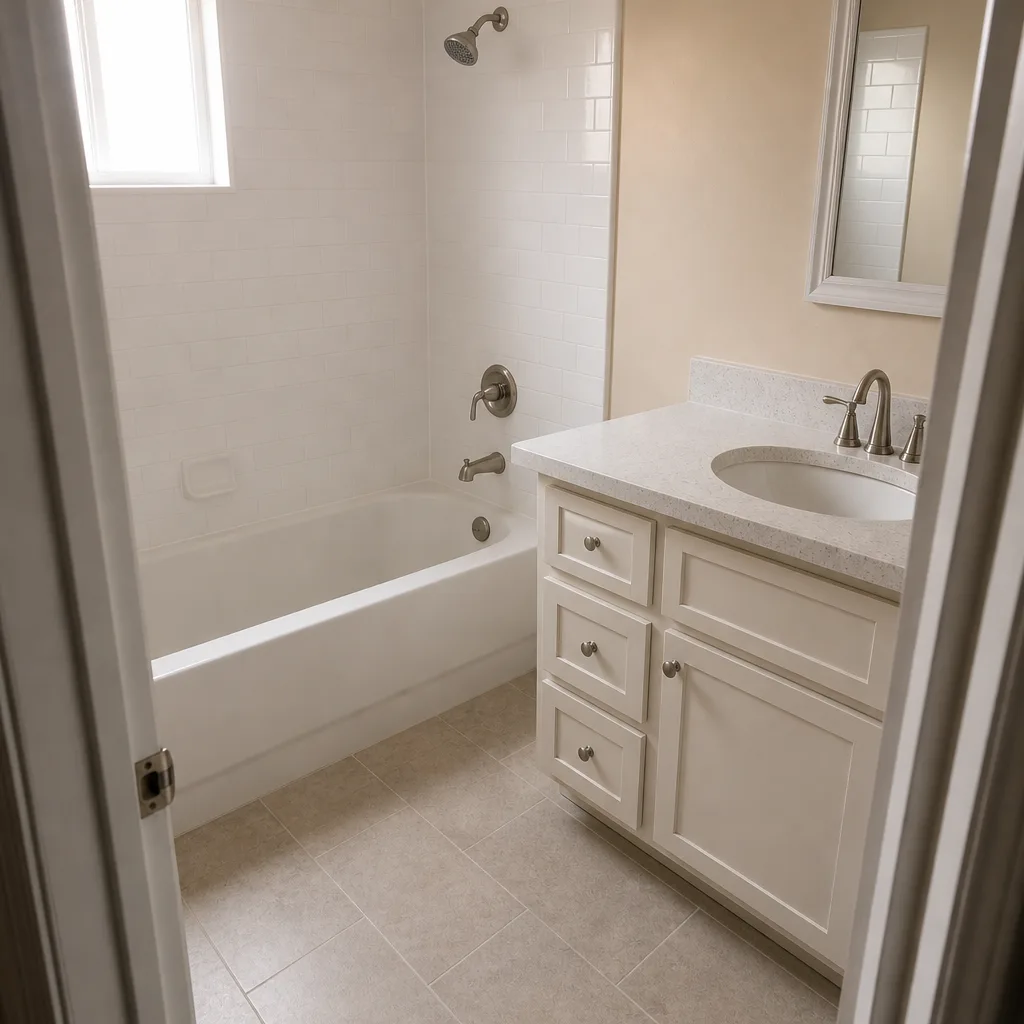 After
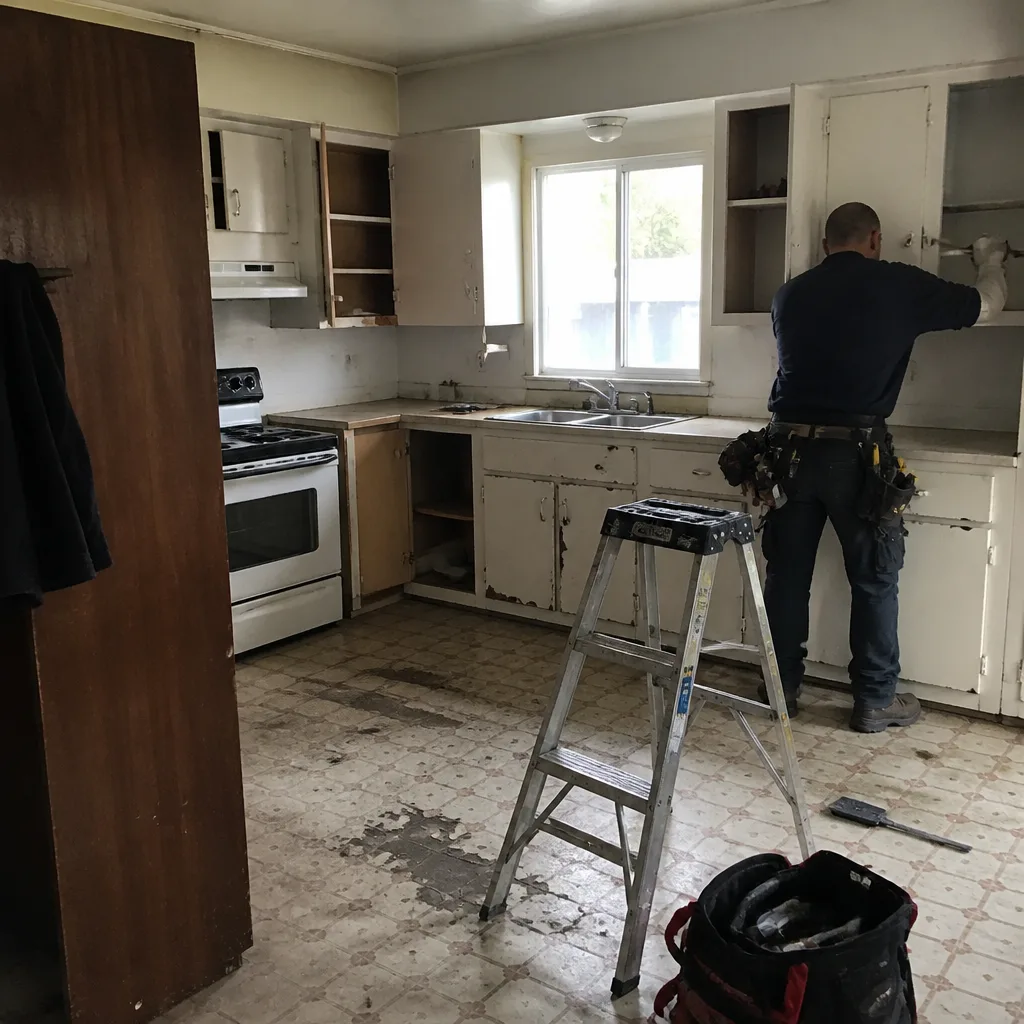 Before
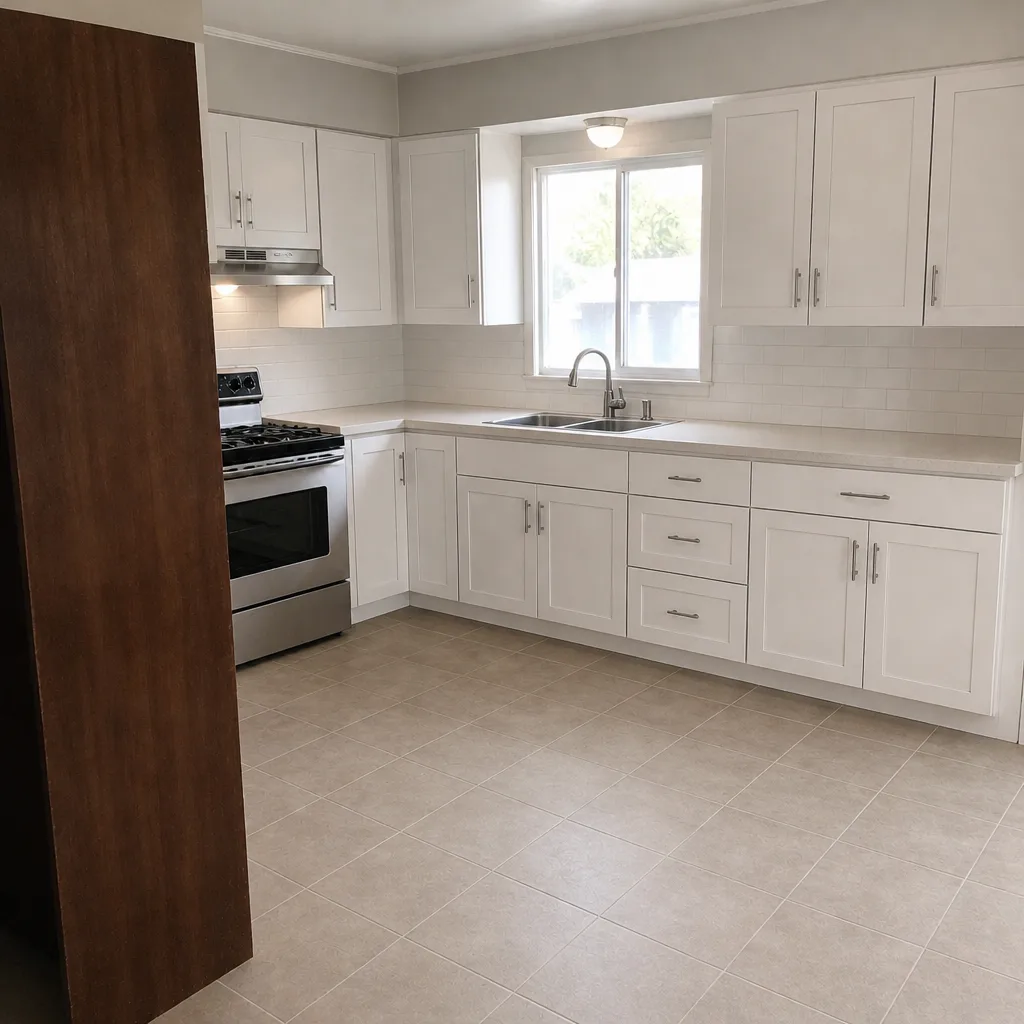 After
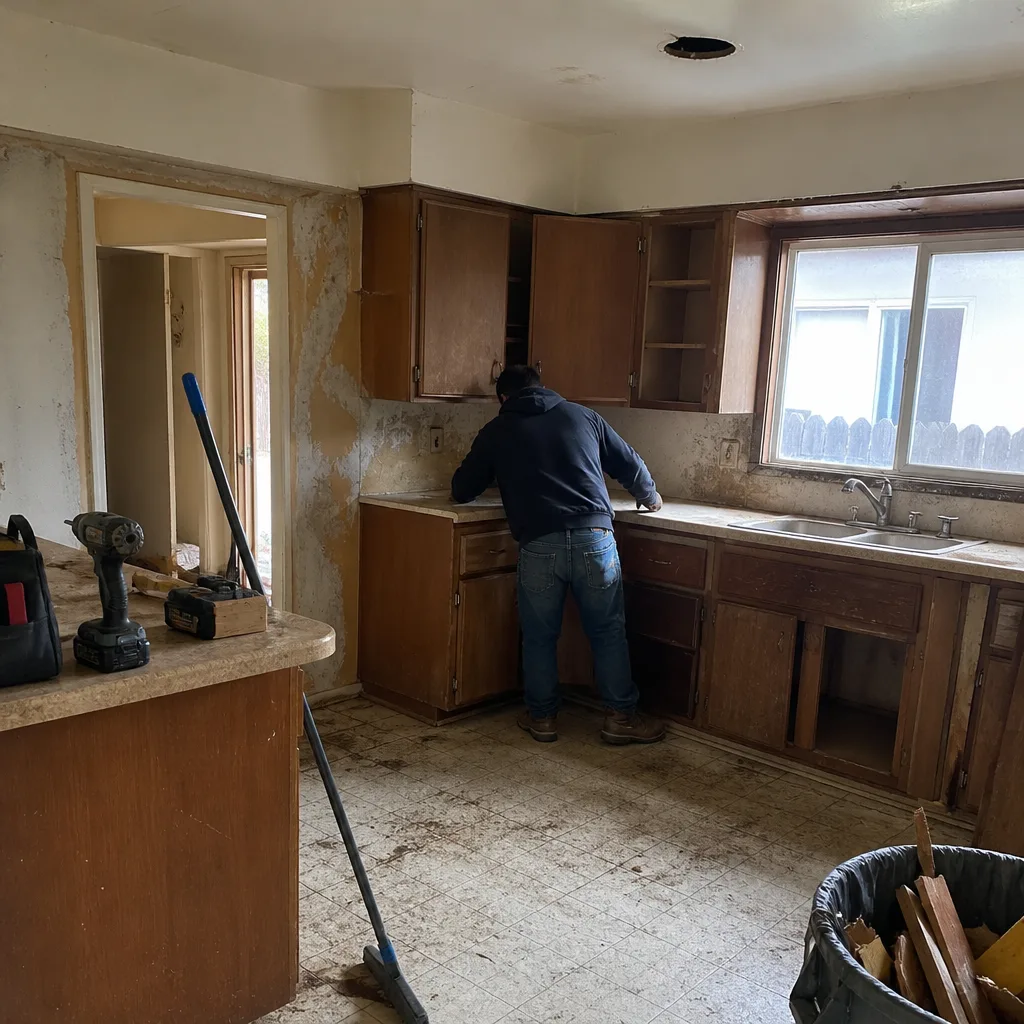 Before
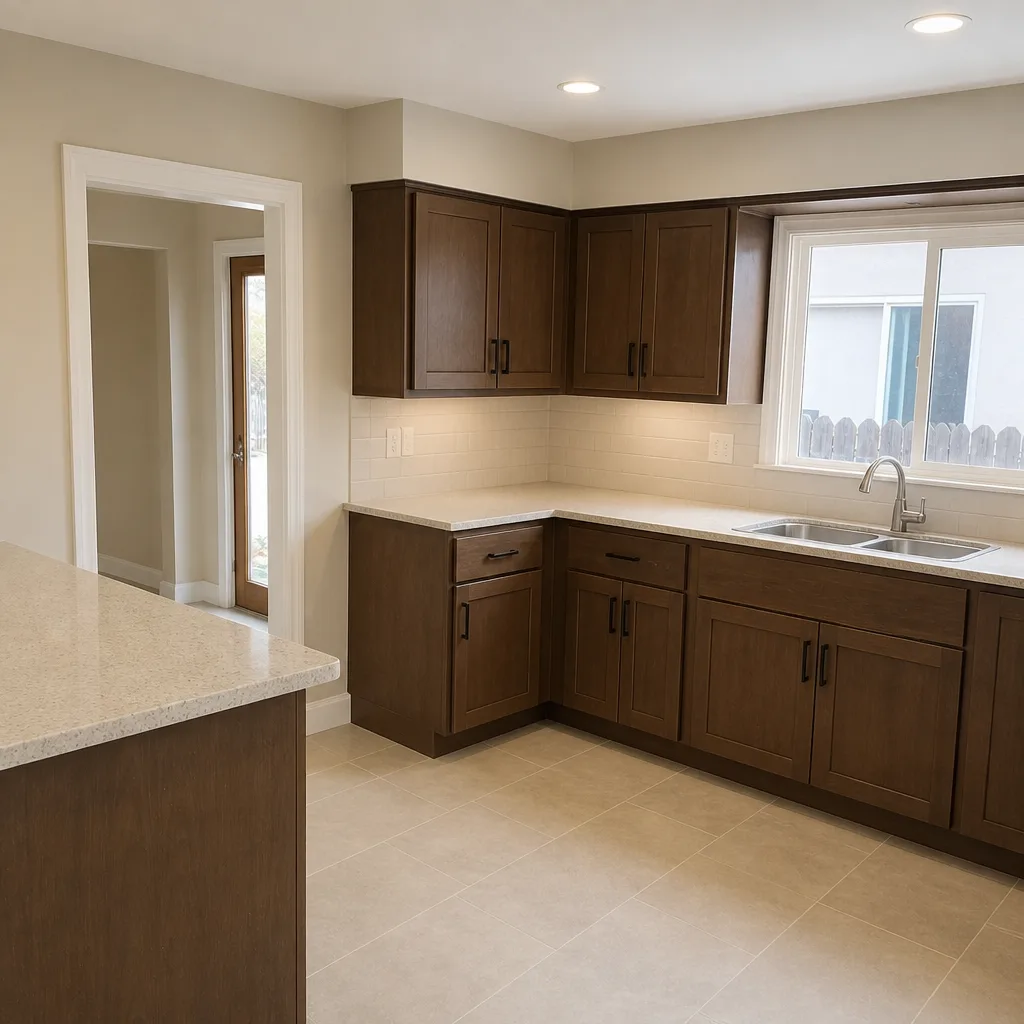 After
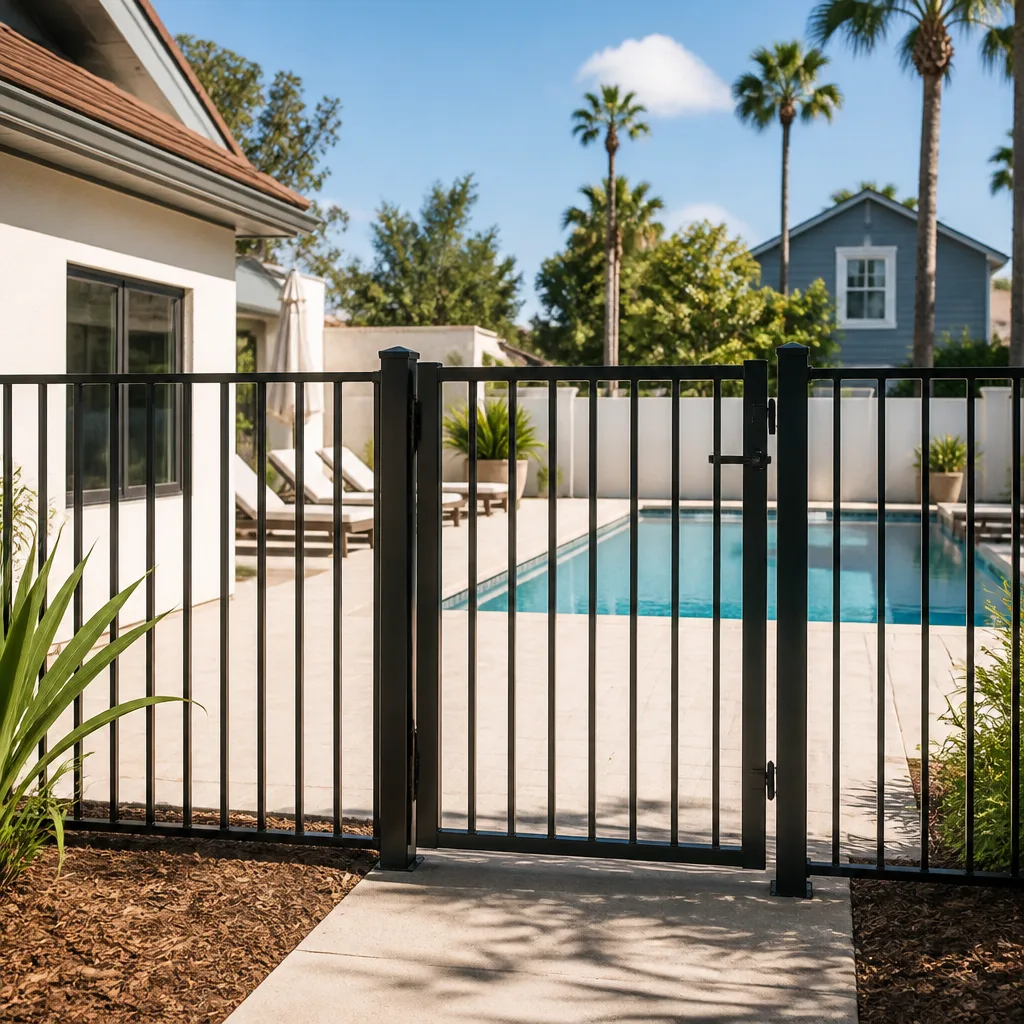
Vinyl vs Aluminum Fence in Long Beach, CA: Which One Survives Here?
Choose vinyl if your Long Beach property sits within about half a mile of the waterfront or the Port of Long Beach, and choose powder-coated aluminum if your lot is on the east side, further from marine air, where UV is the bigger threat. Both fences are sold as low-maintenance, and both are, but each has exactly one enemy in this city, and they’re different enemies. Call Groundwork Construction Co. of Long Beach at (888) 345-8164 for a free estimate and we’ll tell you which material your parcel actually favors.
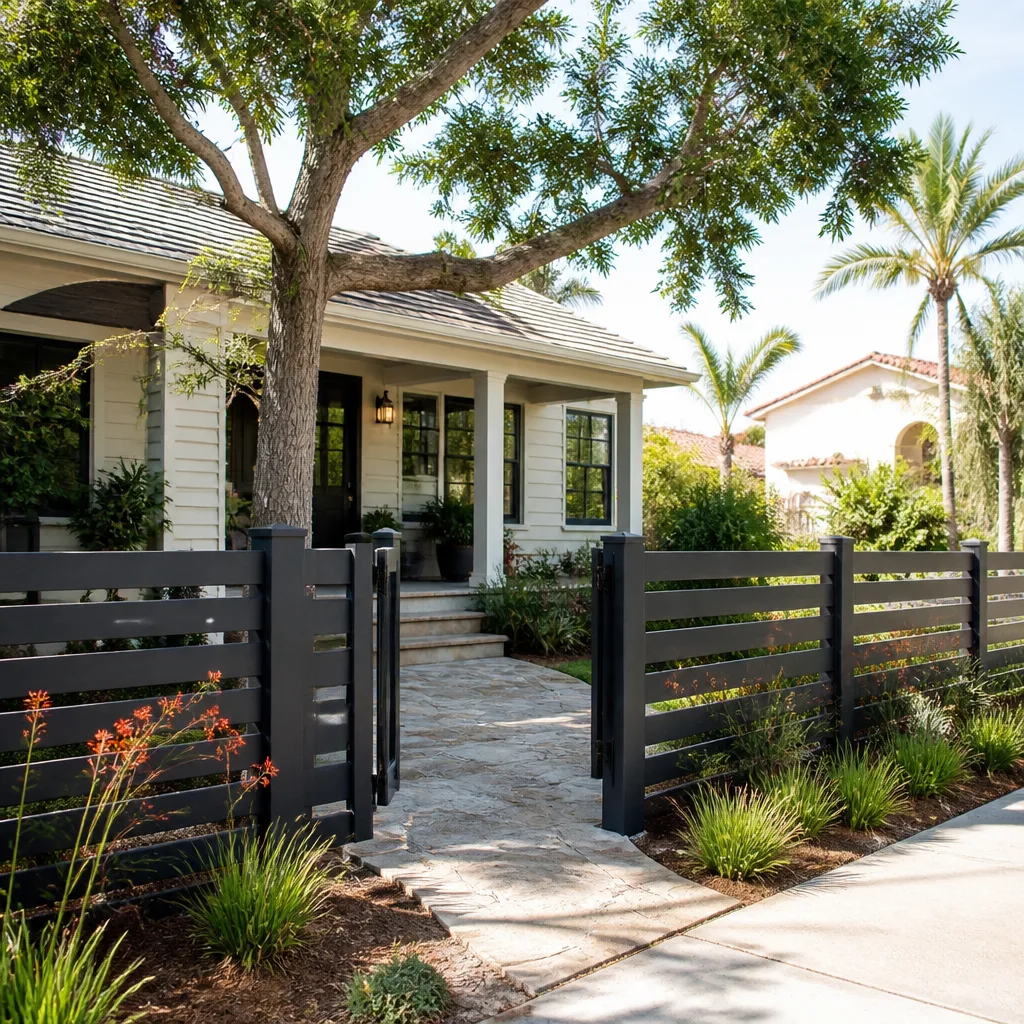
The Two-Enemy Framework: UV vs. Salt Air
Here’s the idea that most national comparison charts miss. Vinyl and aluminum don’t fail the same way in Long Beach. One dies from the sun. The other dies from the ocean.
Vinyl’s enemy is Southern California UV. This region gets serious, year-round sun, and a standard vinyl panel that isn’t built with a UV stabilizer will chalk, fade, and grow brittle in 5 to 7 years. Once it’s brittle, a stray soccer ball or a Santa Ana wind gust cracks a picket instead of just scuffing it. The fix is choosing a UV-stabilized vinyl from a brand that publishes its fade rating, not the cheapest extrusion at the lumber yard.
Aluminum’s enemy is chloride corrosion from marine air. Powder-coated aluminum holds its finish well against UV, but it’s steel fasteners, welds, and any scratch or chip in that powder coat that fail. The closer a parcel sits to the port and the waterfront, the more aggressive the salt-air attack, and the faster an uncoated screw or a breached weld starts to pit. On the east side of Long Beach, where marine air has more distance to dissipate, aluminum is a much safer bet.
A Parcel-Distance Heuristic for Long Beach Lots
Forget the national cost tables. Where you sit in Long Beach changes the ranking.
| Where the lot sits | Dominant stress | Material that tends to win |
|---|---|---|
| Within ~0.5 mile of the waterfront or port | Salt-air chloride corrosion | UV-stabilized vinyl |
| East-side Long Beach, inland lots | UV fade and brittleness | Powder-coated aluminum |
| Mid-city, coastal but not on the water | Mixed | Either, with the right hardware |
Within that half-mile band by the water, UV-stabilized vinyl has a real maintenance advantage because you’re not fighting chlorides at every fastener. Move east and the equation flips: the UV is still there, but the salt is diluted, so a good powder-coated aluminum system holds its finish far longer than it would by the sand. This is the geographic detail every generic “vinyl vs aluminum” article skips, and it’s the one that decides the job on your lot.
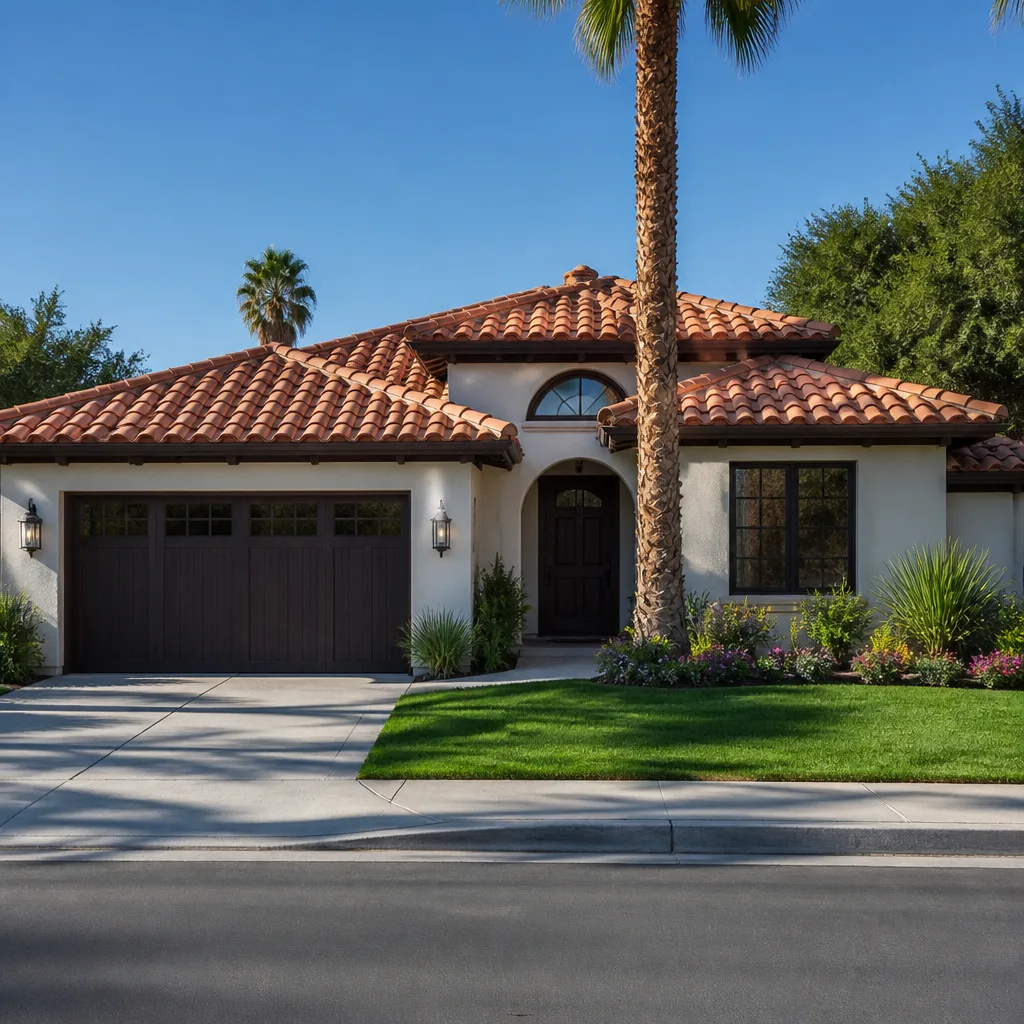
What the Historic Districts Add to the Question
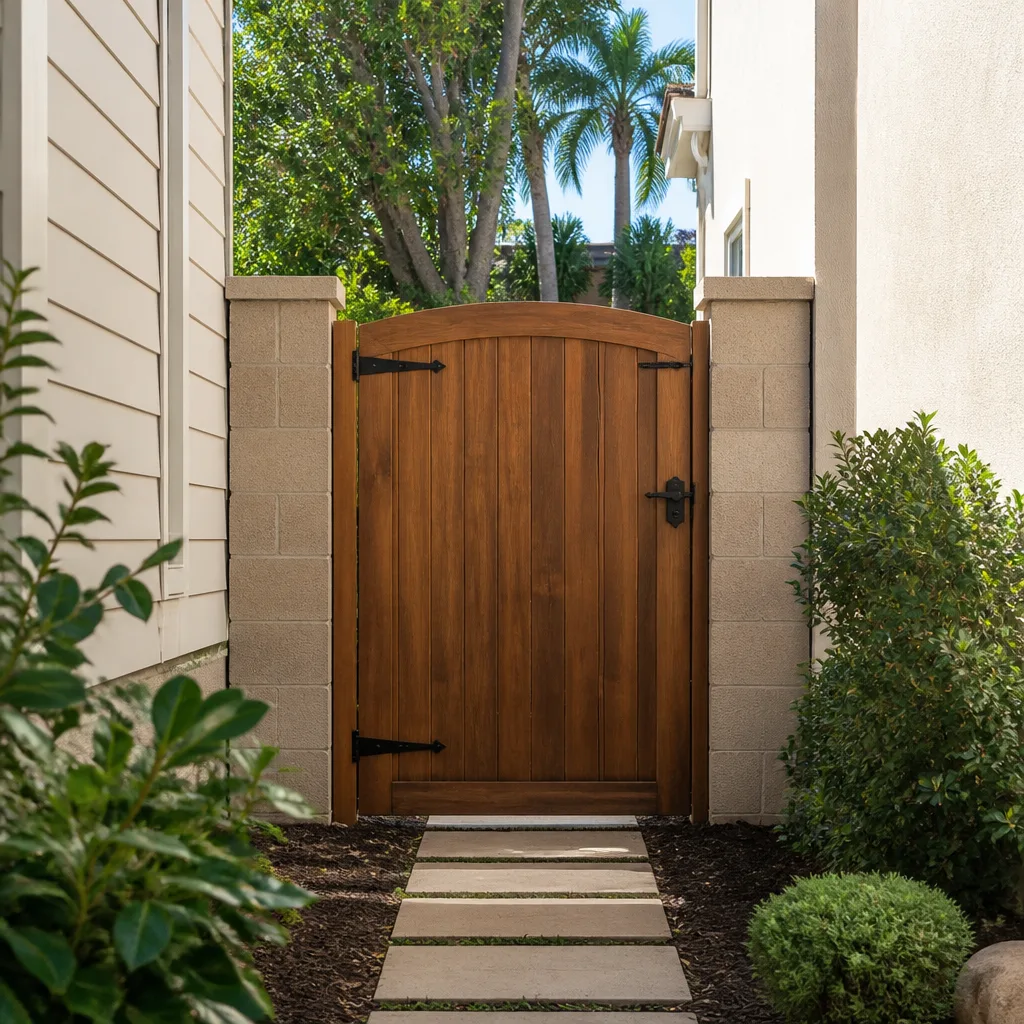
Rose Park and Belmont Heights carry a lot of pre-1933 bungalows and Craftsman fourplexes, and much of that sits inside a coastal and historic design-review context. That matters here for a reason that’s easy to overlook: aluminum’s clean, modern profile often doesn’t clear design review in a Craftsman-era corridor. Boards want a profile that reads like the wood fence the neighborhood grew up with.
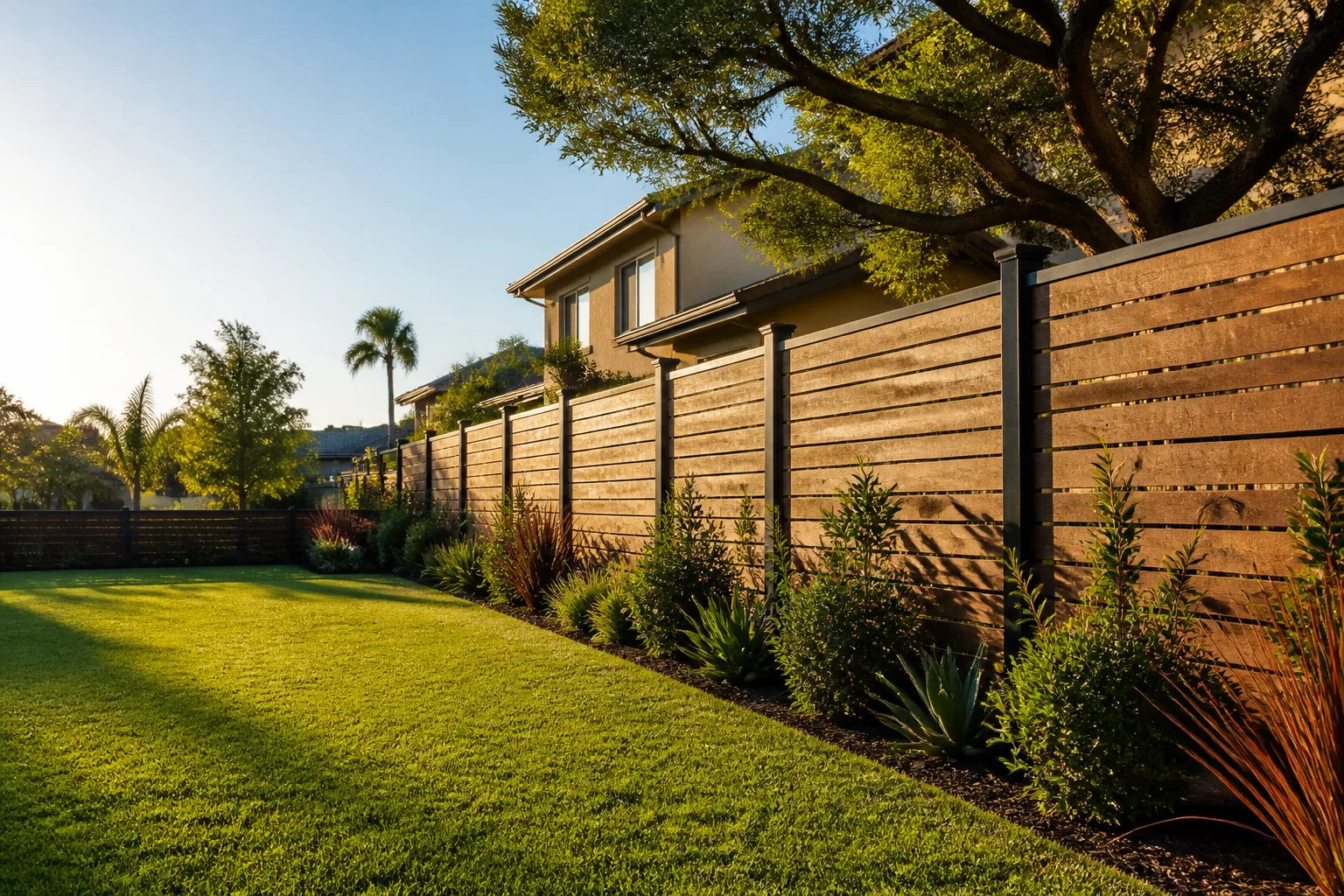
So on those blocks, a wood-look vinyl profile is sometimes the only non-wood fence that passes review and still avoids repainting a wood fence every few years. Aluminum’s strength is its crisp modern look, and that’s exactly what a historic reviewer may turn down. Check the design guidelines for your parcel before you buy the material, not after.
Why Vinyl Installation Quality Decides Everything in This Climate
Long Beach swings between the marine layer and dry Santa Ana wind events, and that thermal range is hard on vinyl. Vinyl expands and contracts more than people expect. It needs proper gap spacing at the posts and rails to move without buckling or warping. Skipped or fudged spacing and you’ll see warped panels within a single season. This is a first-hand install detail, not a spec-sheet note: the material is fine, the sloppy install isn’t, and the two look the same on a quote until you read the spacing callouts.
For aluminum, the comparable install detail is fastener choice. Stainless or otherwise corrosion-rated fasteners and intact powder coat at every cut end are what keep a coastal aluminum fence from pitting at the screws. We stock from current partners like CertainTeed and GAF on the building side and source our aluminum and vinyl systems through vetted suppliers, so we’re not guessing on the hardware. If you’d like the full picture on technique, our Fence Installation page walks through the process, and we’re always reachable through the home page for the broader service lineup.
The Real-Cost Objection: Aluminum’s Higher Upfront Number
Aluminum usually costs more installed than vinyl. That’s the objection, and it’s fair as far as it goes. But if you’re financing or keeping the fence past a decade in Long Beach, first cost isn’t the whole story. A UV-stabilized vinyl with proper spacing is a solid long-horizon buy near the water; a powder-coated aluminum with stainless fasteners is a solid long-horizon buy on an inland east-side lot. Choose the material that dodges your lot’s enemy and you’ll spend the least over ten years.
- Vinyl installation range in Long Beach: typically $3,500-$9,000.
- Aluminum installation range in Long Beach: typically $4,000-$10,000.
- Brand partners: CertainTeed and GAF on the build side; vetted metal and vinyl suppliers for the fence.
- Our promise: every job is covered by the 730-Day Done Right Promise, and our technicians have up to 12 years of experience.
Our Fence Installation in Long Beach page has the local job scope in more detail. And because aluminum’s higher number is the real sticking point, our no-hassle upfront pricing plus 0% financing for 18 months, along with $1,000 off projects over $10,000, lets you weigh real ten-year cost instead of choking on the quote. The number you see is the number you pay.
Key Takeaways
- Vinyl’s enemy in Long Beach is UV; aluminum’s is salt-air chloride at fasteners.
- Near the water or the port, UV-stabilized vinyl wins on maintenance. Inland east-side lots favor powder-coated aluminum.
- Vinyl needs correct gap spacing to survive the marine-layer/Santa Ana swings.
- Historic corridors in Rose Park and Belmont Heights may reject aluminum’s modern profile; wood-look vinyl often passes.
FAQs
Within about half a mile of the waterfront or the Port of Long Beach, UV-stabilized vinyl is usually the better fit because it isn’t fighting chloride corrosion at every screw and weld. Inland east-side lots favor powder-coated aluminum, where UV is the dominant stress and salt is diluted. Call (888) 345-8164 and we’ll flag your parcel’s stress for free.
Vinyl installation typically runs $3,500-$9,000 and aluminum installation typically runs $4,000-$10,000, depending on linear footage, height, gate count, and site conditions. Those ranges reflect local market pricing, and our upfront pricing means the quote you get is the number you pay. 0% financing for 18 months and $1,000 off projects over $10,000 make the aluminum leap easier to cross. Call (888) 345-8164 for an exact quote.
Yes, vinyl expands and contracts noticeably across the marine-layer and Santa Ana swings, so it needs correct gap spacing at posts and rails or it warps within one season. The fix is installation, not material: properly spaced panels move without buckling. We handle the spacing as part of the job, and you can reach us at (888) 345-8164 for a free estimate.
Often not, because aluminum’s clean modern profile can fail design review in Craftsman-era corridors like Rose Park and Belmont Heights. In those blocks, wood-look vinyl is frequently the only non-wood profile that passes. Worth checking your parcel’s guidelines first. Call (888) 345-8164 and we’ll help you sort it before you buy.
If you’d rather have it looked at, Groundwork Construction Co. of Long Beach offers a no-pressure assessment in Long Beach. We’ll tell you which material your parcel actually suits and what it costs, upfront and in writing. Call (888) 345-8164.
Written by the team at Groundwork Construction Co. of Long Beach, serving Long Beach, CA.