
Free written scope consultation - allowances, timeline, and change-order rules on paper before a single trade is scheduled
Styles & brands we work with
- Kitchen remodeling
- Bathroom remodeling
- Home additions & ADU
- Roofing
- Windows & doors
- Driveway & pavers
- Fence
See the difference
 Before
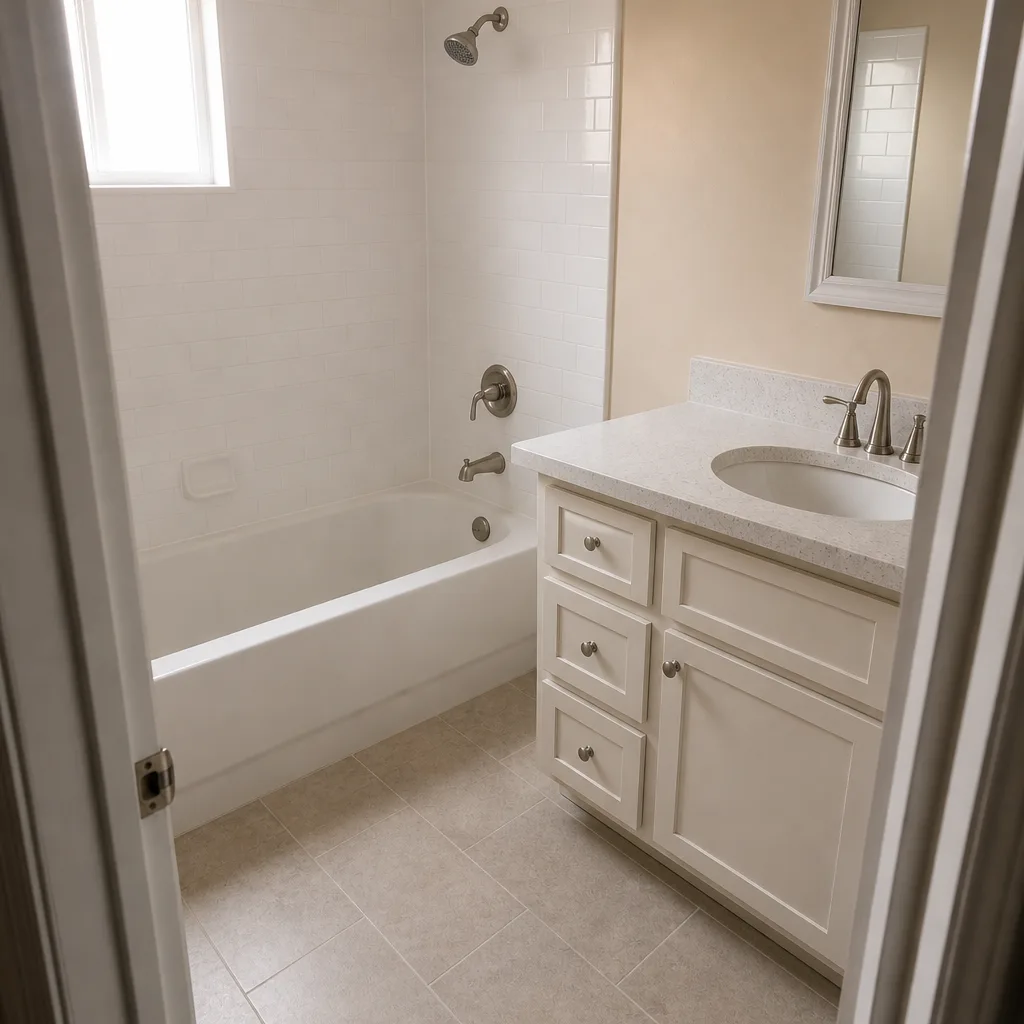 After
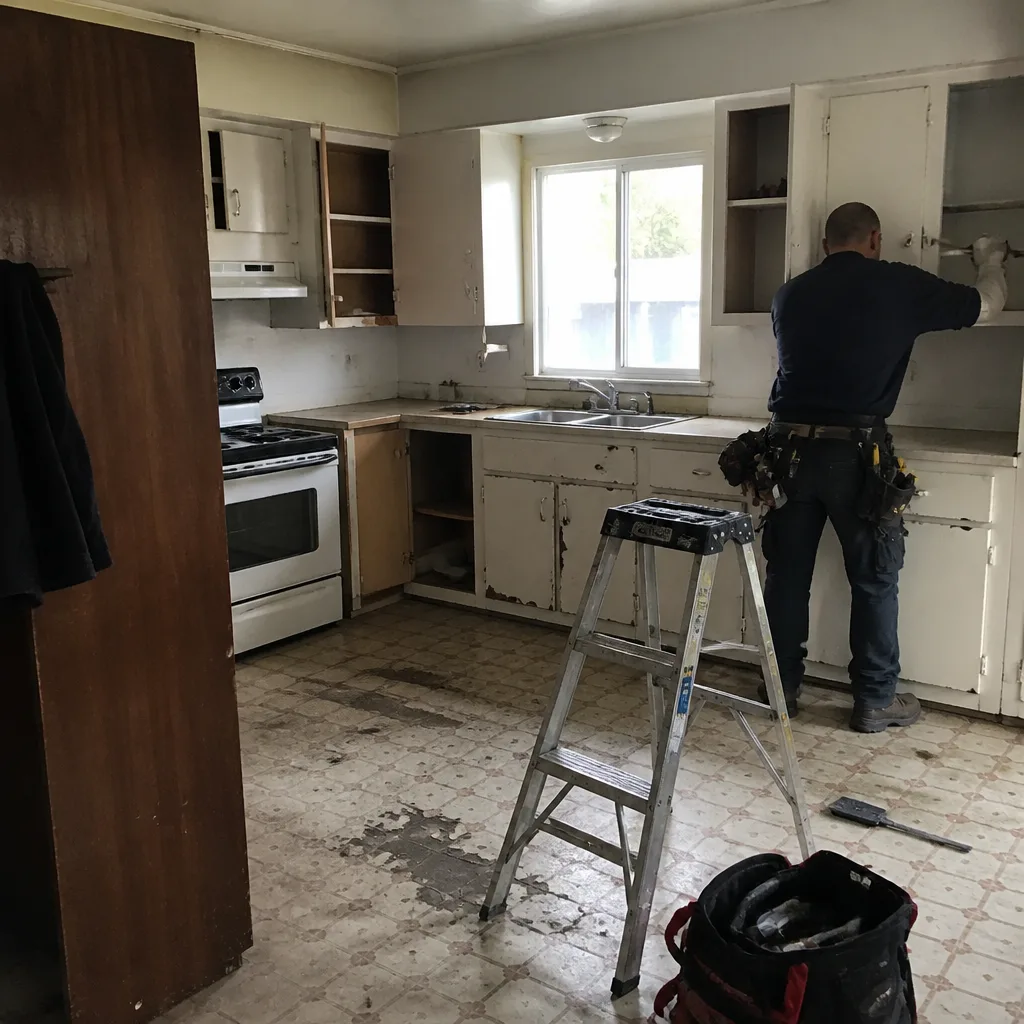 Before
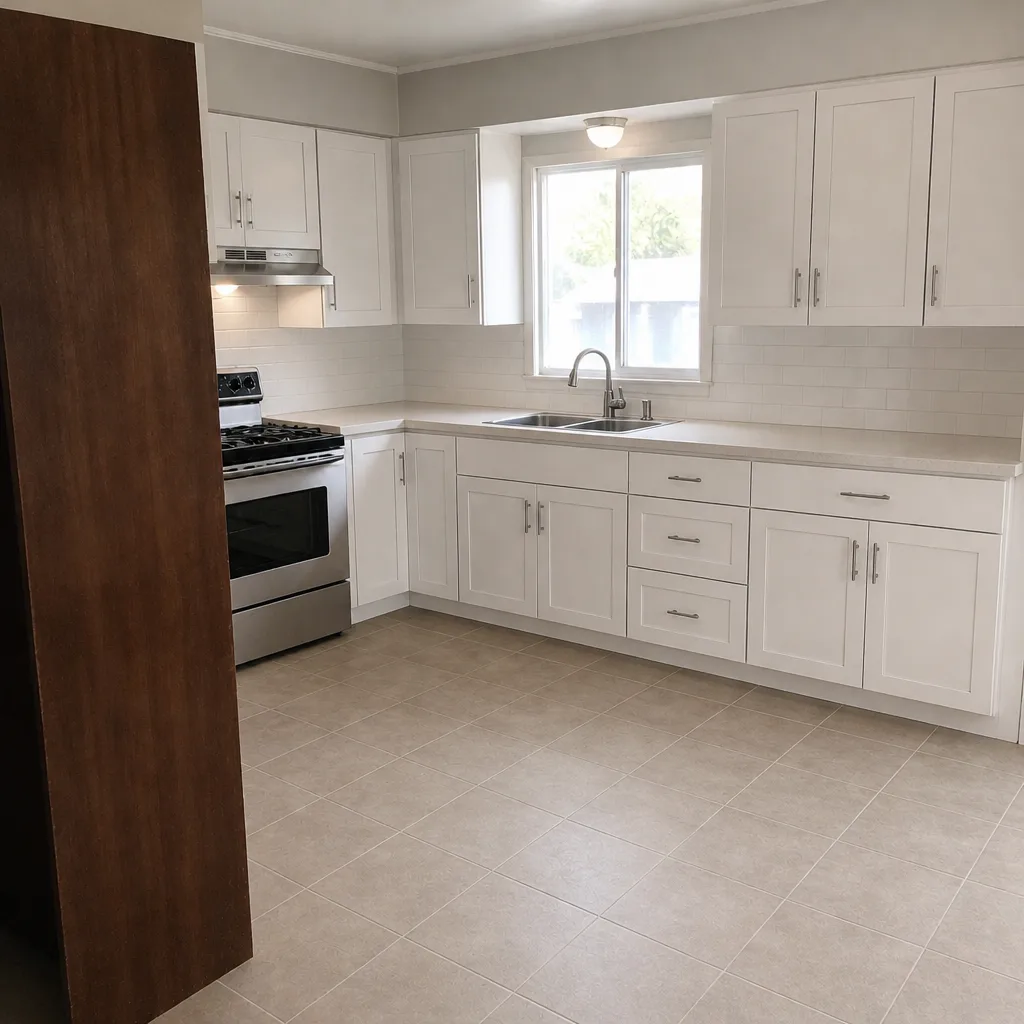 After
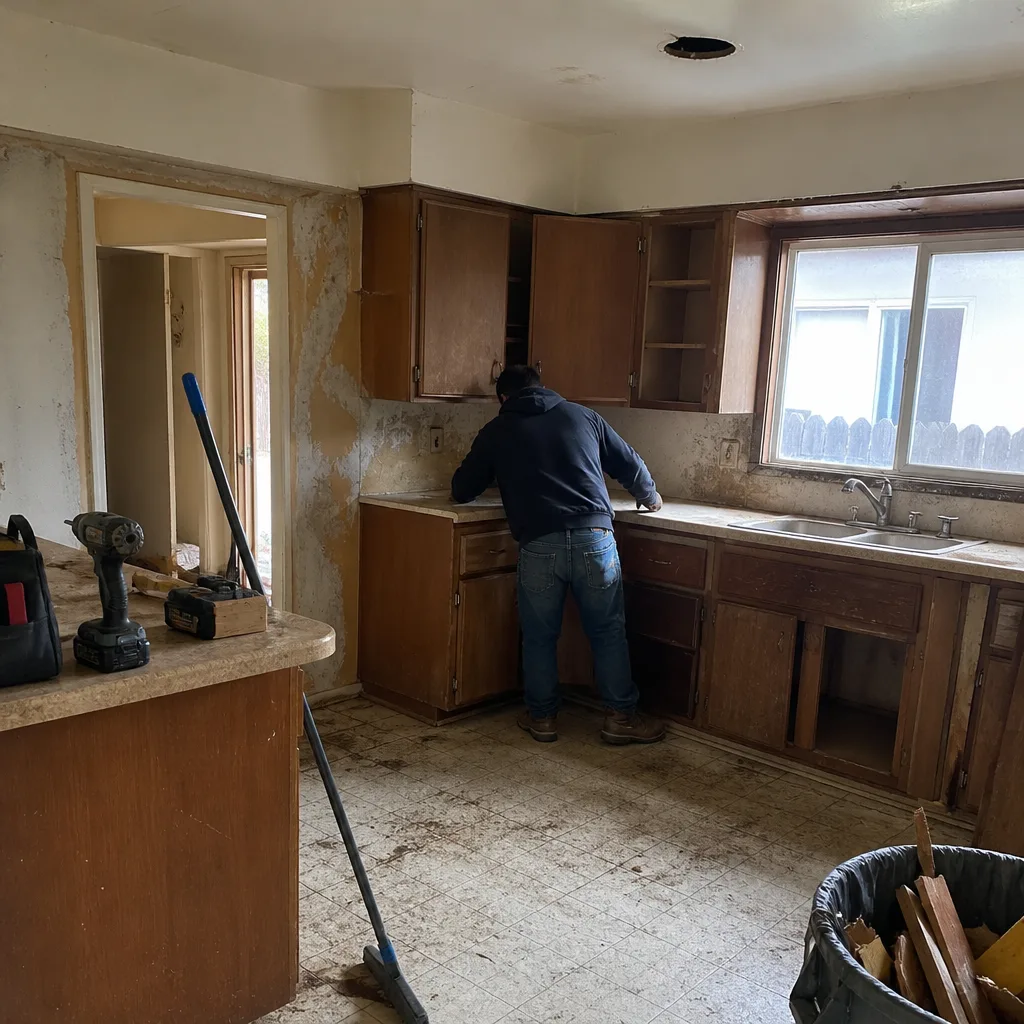 Before
 After
Chain Link vs. Wood Fence in Long Beach, CA: Choose Wood Unless You’re Fencing an Alley, Utility Line, or Rental-Grade Boundary
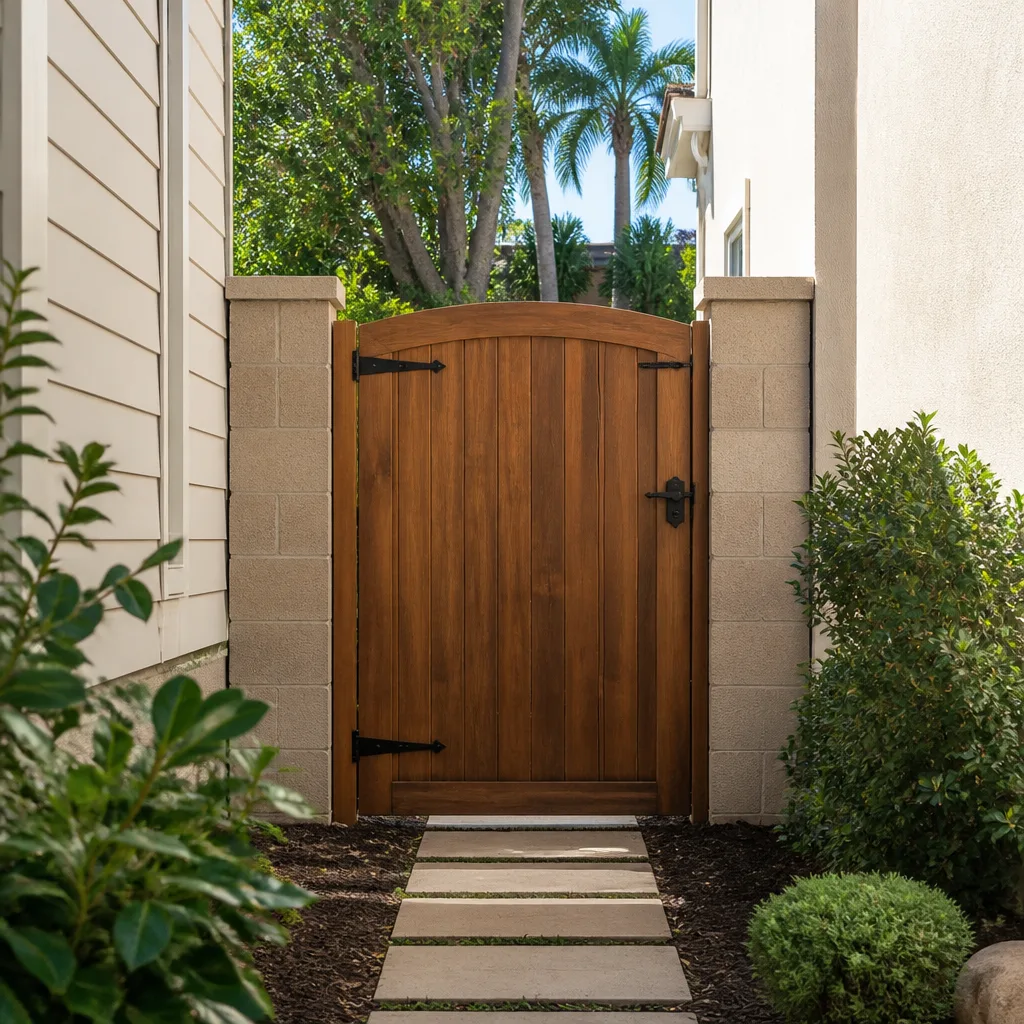
Choose pressure-treated wood for anything tenants, neighbors, or guests actually see, and choose chain-link only for utility boundaries, alley edges, or back-of-lot enclosure where the fence is doing a job instead of setting a tone. Chain-link costs less to install and nothing to maintain – until you’re in Long Beach, two miles from the port, and it’s year 11. That’s when the galvanized coating finally gives up on the salt air and you’re standing in front of a rusted, heaving fence wishing you’d paid attention to corrosion timelines sooner. Call Groundwork Construction Co. of Long Beach at (888) 345-8164 for a free, no-pressure look before you decide.
Why Long Beach Changes the Math on This Decision
The national guides treat chain-link versus wood as an aesthetics-and-cost question. Here, it’s a corrosion-timeline question. The marine layer rolls off the Port of Long Beach and settles over the whole west side, and that salt air eats galvanized coating faster than the spec sheets assume. In a dry inland market you might genuinely get 20 years out of standard galvanized chain-link. Within a couple of miles of the port, honest operators see structural corrosion setting in between years 8 and 15. Same product, different coast, shorter life.
Pressure-treated wood, properly sealed, gives you 12 to 20 years in the same conditions – because wood fails from moisture and pests on its own schedule, not from a coating that thins with every salt-laden breeze. That reversal of the national expectation is the single most useful thing to understand before you price either option.
| Factor | Galvanized Chain-Link | Sealed Pressure-Treated Wood |
|---|---|---|
| Effective lifespan near the port | 8-15 years | 12-20 years |
| Salt-air behavior | Coating corrosion, rust bleed | Surface weathering; seal refreshes it |
| Termite exposure | None | Real, unless posts are treated |
| Historic-district review | Typically barred or restricted | Usually approvable |
| Best use on a Long Beach lot | Alley / utility boundary | Tenant-facing, street-facing yards |
The Historic-District Reality Most Comparison Articles Skip
If your property sits in Rose Park, Bluff Park, or Carroll Park, the comparison isn’t really a comparison. Those design-review zones typically bar or heavily restrict chain-link, which means wood is the practical answer no matter which option wins on price. Bluff Park’s Spanish Colonial Revival and Craftsman stock dates to the 1920s and 30s, and the design review treats a fence as part of the streetscape, not a private utility decision. We’ve watched homeowners get a chain-link quote, fall in love with the number, then discover the review board won’t approve it – a round trip that costs weeks.
This is the part of Long Beach where the collision of very old housing with very new regulation shows up on almost every lot. Coastal Zone review, historic-district design review, and seismic retrofit rules can all land on the same small parcel. The fence is one line item in that stack, but it’s the one you’ll see from the sidewalk every morning, so it’s worth getting the review answer before you get the quote.
Multi-Family Properties Need a Zone-by-Zone Answer, Not a Winner
On the dense 1950s-70s stucco fourplexes and garden apartments that run through much of central and east Long Beach, the honest answer is often both materials on the same property. Chain-link earns its keep on the alley boundary and the trash enclosure – the utility edges where nobody’s looking for charm and you want durability and visibility. Wood takes the tenant-facing yard, the side that people actually live against.
Treating it as a binary wastes money in one direction or the other. You’ll overpay for decorative wood where a chain-link run would do the job, or you’ll save on chain-link in the yard and regret the look for the next decade. That zone-by-zone call is a site read, and it’s the kind of judgment our technicians, who bring up to 12 years of experience, make on the walk-through rather than from a photo. You can see how we approach the full scope on our Fence Installation page, and we’re happy to price the whole property as one project.
Termites and Moisture: The Wood Risk You Can Control
Older wood-frame bungalow neighborhoods here have year-round termite activity, and an untreated post set straight into soil is a termite bridge pointing at your main structure. That’s a genuine wood-specific risk chain-link doesn’t carry. The fix is simple and cheap at the front end: borate-treated posts, correctly detailed footings, and a post that isn’t buried in a way that invites moisture wicking up the grain.
Moisture is the other half. Near-zero annual rainfall means we don’t fight the wet-season rot that inland trades deal with, but the marine layer keeps exterior wood damp enough that an untreated, unsealed fence ages fast in the shade. A proper seal refresh every few years is the cost of keeping wood in the 12-to-20-year window instead of letting it drift toward the low end.
What the Comparison Actually Costs in Long Beach
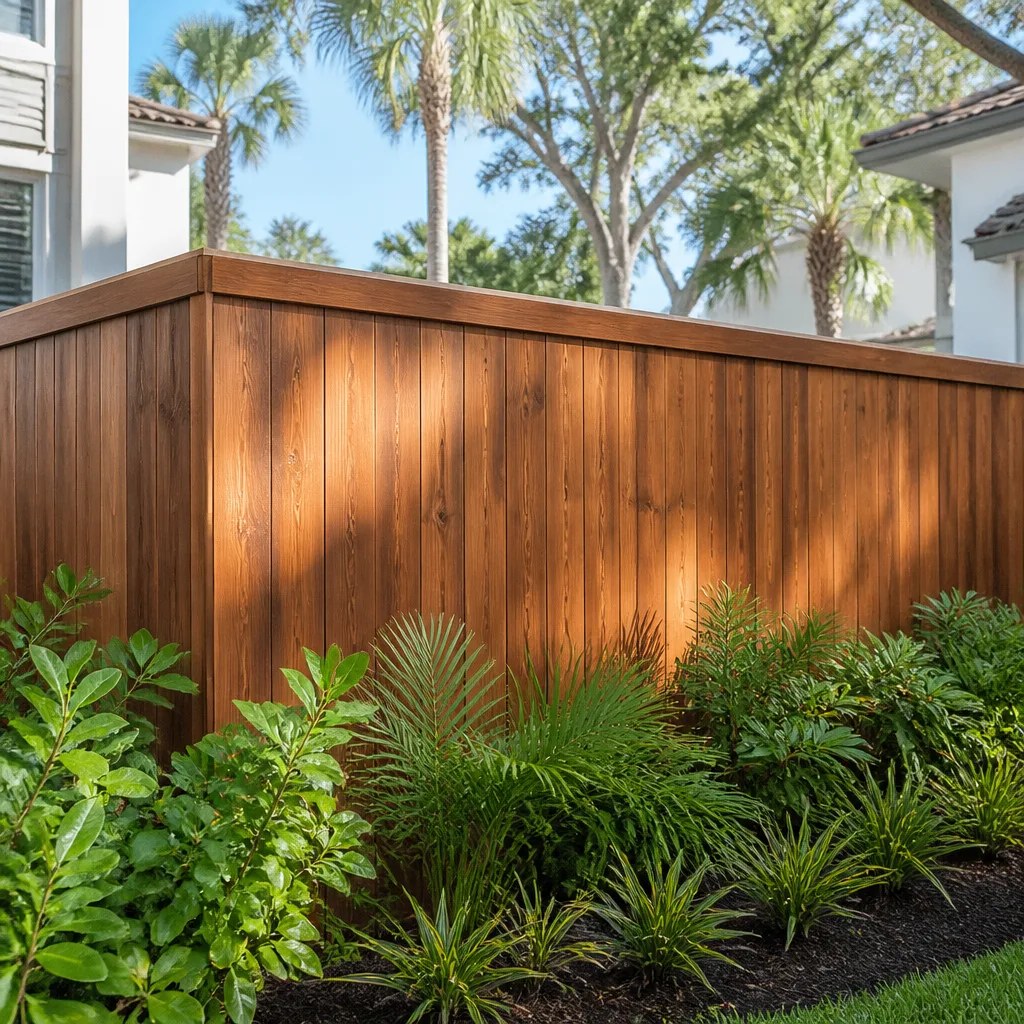
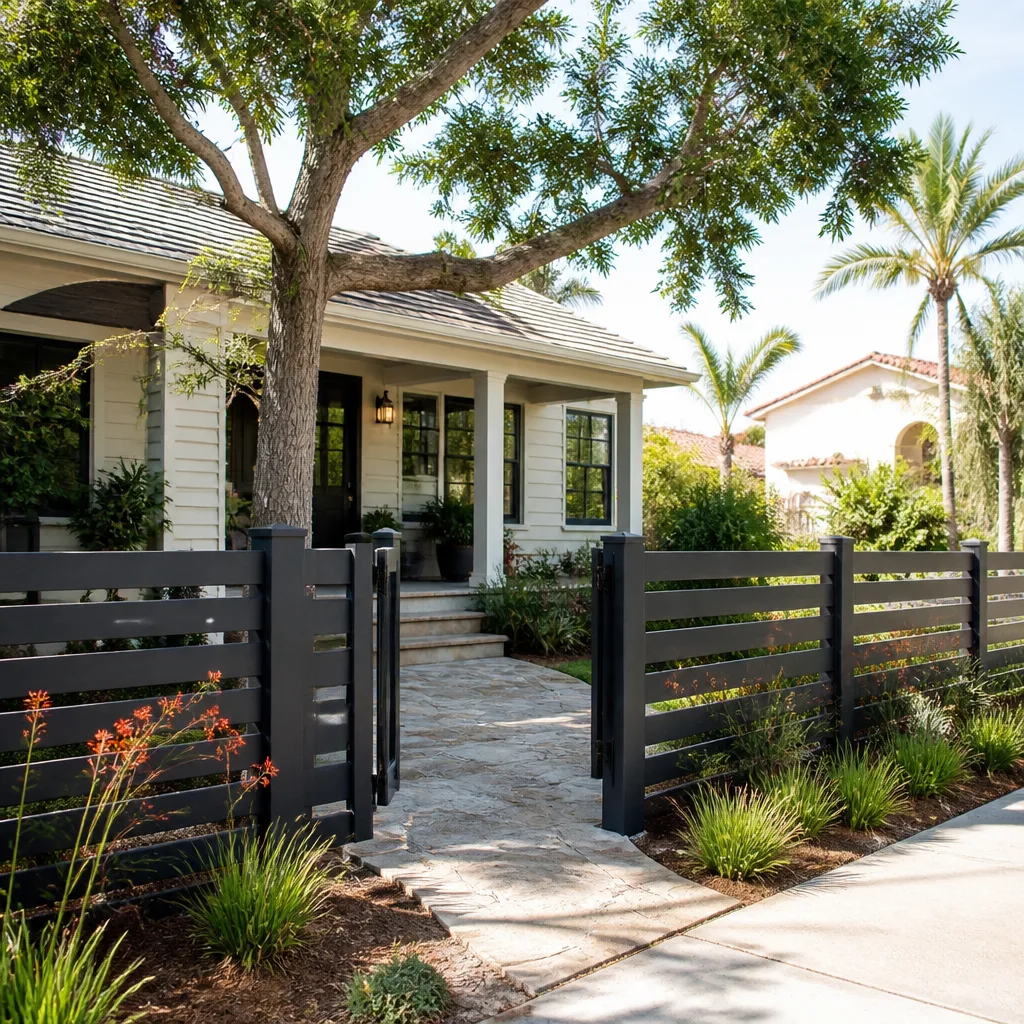
For a typical residential run, you’re looking at $3,500-$9,000 for a vinyl fence installation in Long Beach, which sits in similar territory to a good wood build. Chain-link comes in below that for utility runs, but the price advantage narrows once you specify marine-grade galvanized or vinyl-coated product for the salt-air side of town – the cheaper standard-galvanized spec is exactly what fails at year 11.
- Utility / alley chain-link: Lowest installed cost, shortest lifespan near the port – budget for replacement within the 8-15-year window.
- Vinyl-coated or marine-grade chain-link: Costs more up front, but pushes the corrosion timeline out and keeps its appearance.
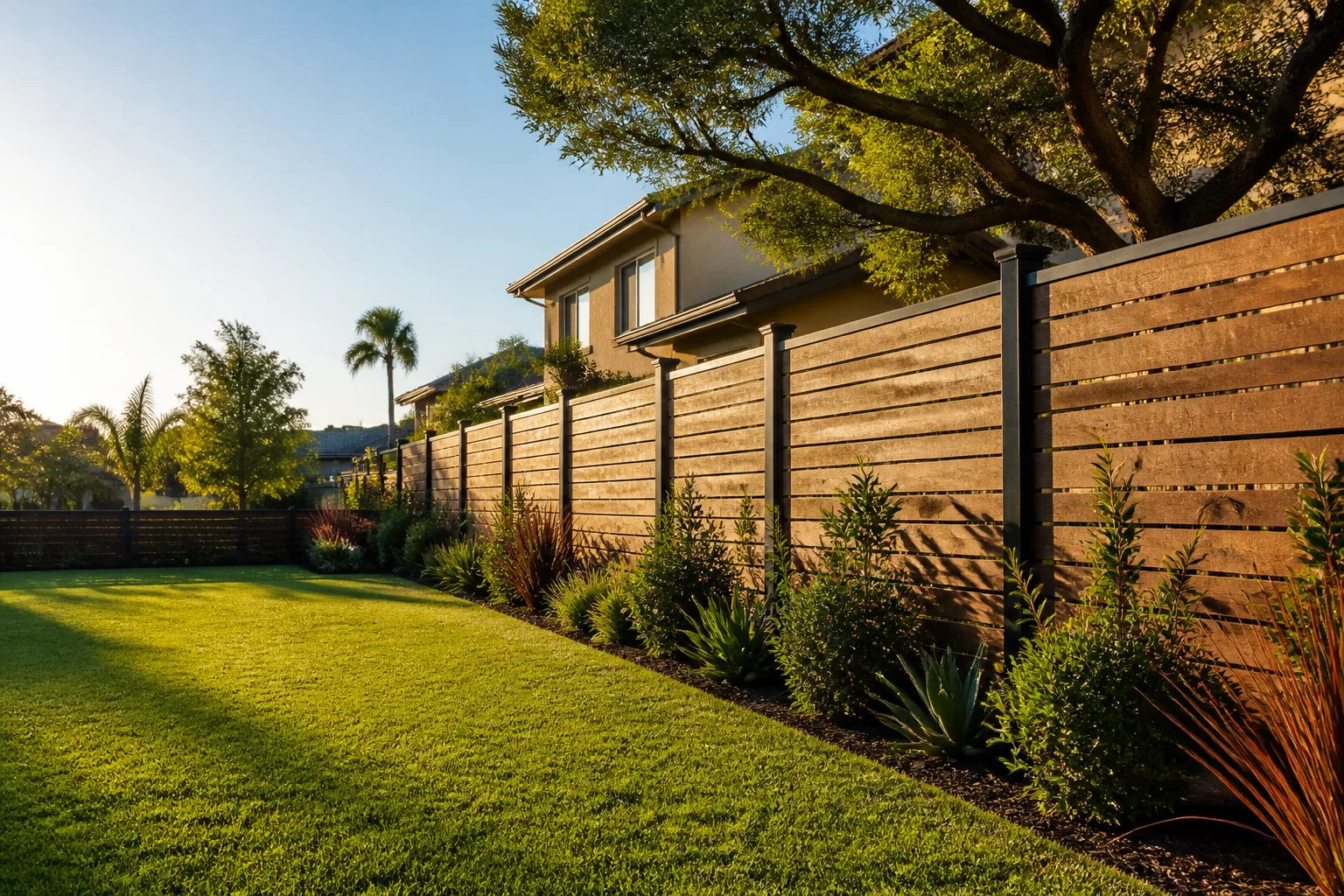
- Sealed pressure-treated wood: Sits inside the $3,500-$9,000 vinyl range for typical runs, and it’s the only viable choice in the historic review zones.
- Borate-treated posts: A small line item that prevents a large termite problem down the road.
We’ll put a real number in front of you with upfront pricing, no surprises – the number you see is the number you pay. There’s also $1,000 off projects over $10,000 and 0% financing for 18 months if the fence is part of a larger exterior scope. Every fence we install is covered by the 730-Day Done Right Promise: if it’s not done right, we make it right. And your call is answered by a live person, 24/7, not a voicemail black hole.
Three Scenarios We See on This Coast
A Rose Park bungalow on a corner lot. The homeowner wanted chain-link to save money. Design review wouldn’t have it, so we built wood to match the streetscape and treated the posts against termites. Two years in, it’s holding up through the marine-layer damp, and the seal refresh is the only maintenance on the calendar.
An east-side fourplex. Chain-link on the alley and trash enclosure, wood on the tenant-facing side. One project, two materials, and each is doing the job it’s best at instead of forcing a single answer.
A tenant-facing yard two miles from the port. The prior chain-link was rusted through and heaving at year 12. We replaced it with sealed pressure-treated wood, specified borate-treated posts, and the whole thing reads as an upgrade the neighbors notice.
FAQs
Wood is better for any fence people see, and chain-link is better for utility and alley boundaries. Near the Port of Long Beach, salt air shortens galvanized chain-link to roughly 8-15 years before structural corrosion, while sealed pressure-treated wood holds 12-20. Historic zones like Rose Park, Bluff Park, and Carroll Park typically bar chain-link entirely, making wood the only real choice there.
A typical residential wood or vinyl fence installation in Long Beach runs $3,500-$9,000 depending on run length, height, and material spec. Chain-link utility runs come in lower but need marine-grade or vinyl-coated product near the coast to avoid early corrosion. Call (888) 345-8164 for an exact quote – estimates are free.
Yes. The marine layer and salt air off the Port of Long Beach accelerate coating corrosion, so standard galvanized chain-link can fail structurally well before the national guides suggest. Specifying marine-grade galvanized or vinyl-coated chain-link on the coastal side of town is the fix, and it’s a site-specific call rather than a catalog one.
Yes, and on Long Beach fourplexes and garden apartments it’s often the smartest answer. Chain-link handles the alley and utility boundaries where durability and visibility matter, while wood covers the tenant-facing yards. We’ll price the whole property as one project and recommend the split in a site walk-through.
Get It Looked At Before You Commit
If you’d rather have it looked at, Groundwork Construction Co. of Long Beach offers a no-pressure assessment in Long Beach. We’ll walk the property, read the salt-air and termite factors on your specific lot, and tell you honestly where chain-link earns its place and where wood does. Our technicians arrive background-checked and in uniform. Call (888) 345-8164 – live person, 24/7, free estimate and design consult. Built to last, backed in writing.
Written by the team at Groundwork Construction Co. of Long Beach, serving Long Beach, CA.