


Free written scope consultation - allowances, timeline, and change-order rules on paper before a single trade is scheduled
Styles & brands we work with
- Kitchen remodeling
- Bathroom remodeling
- Home additions & ADU
- Roofing
- Windows & doors
- Driveway & pavers
- Fence
See the difference
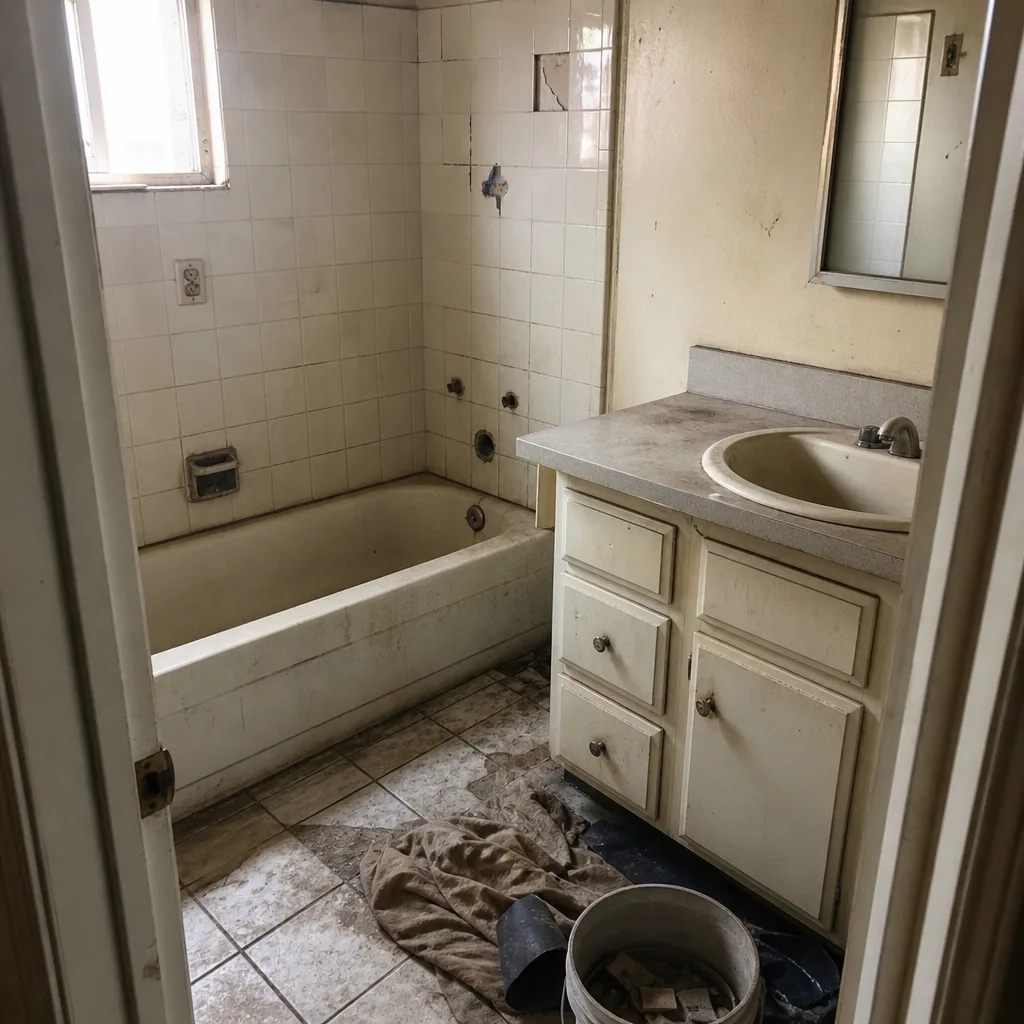 Before
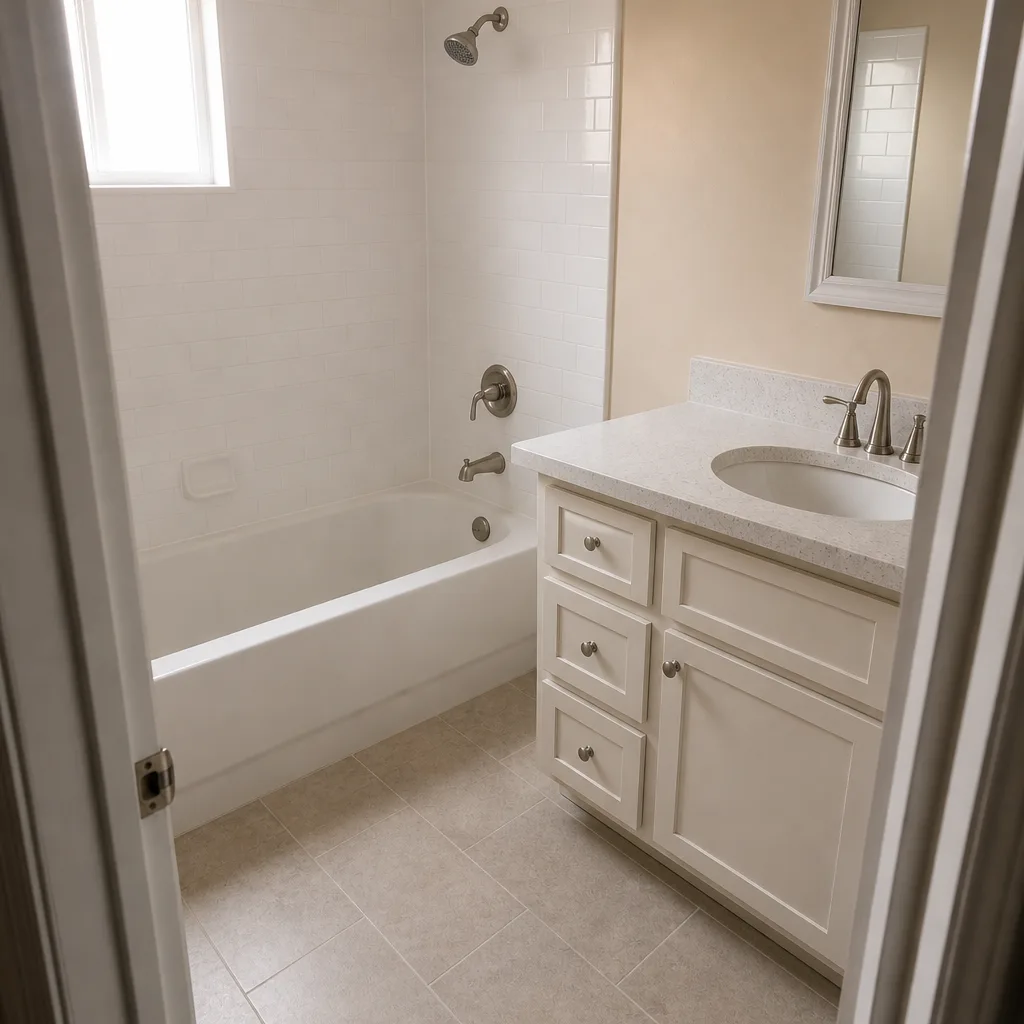 After
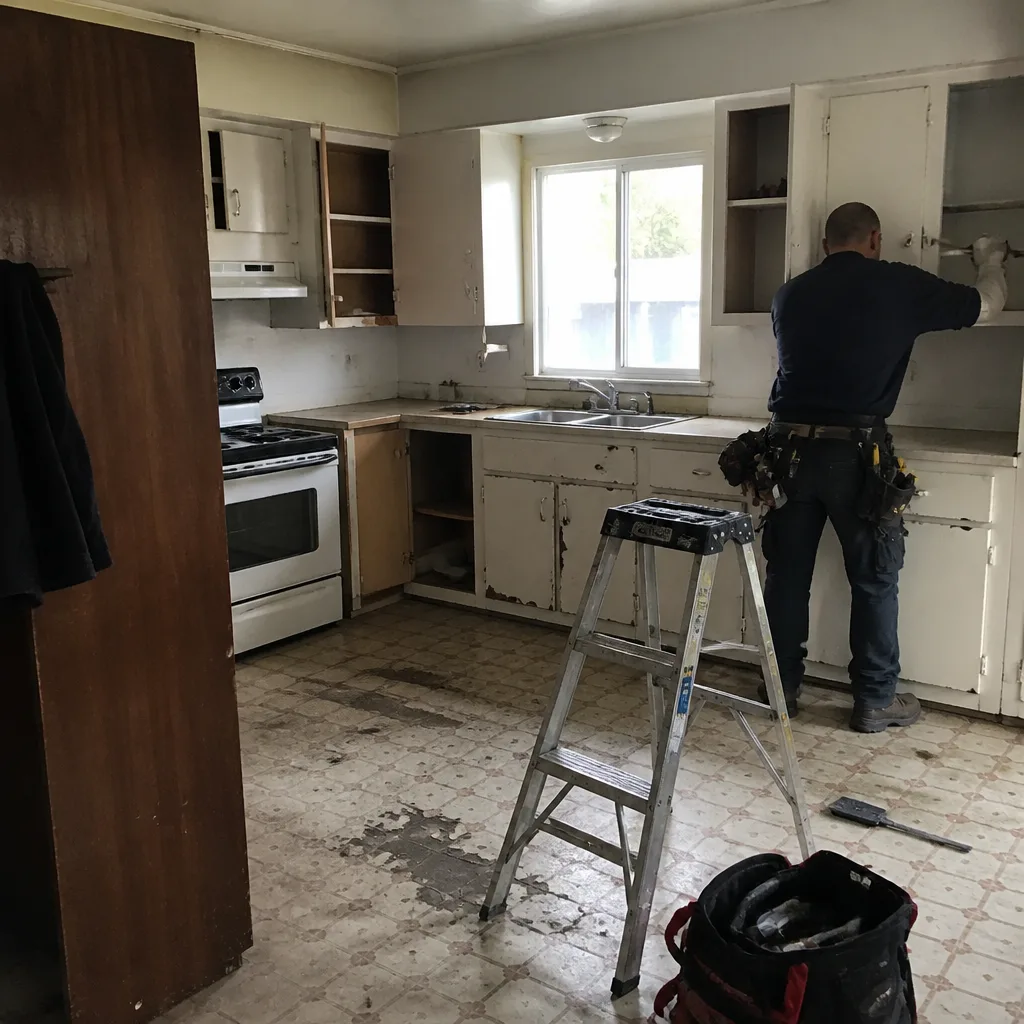 Before
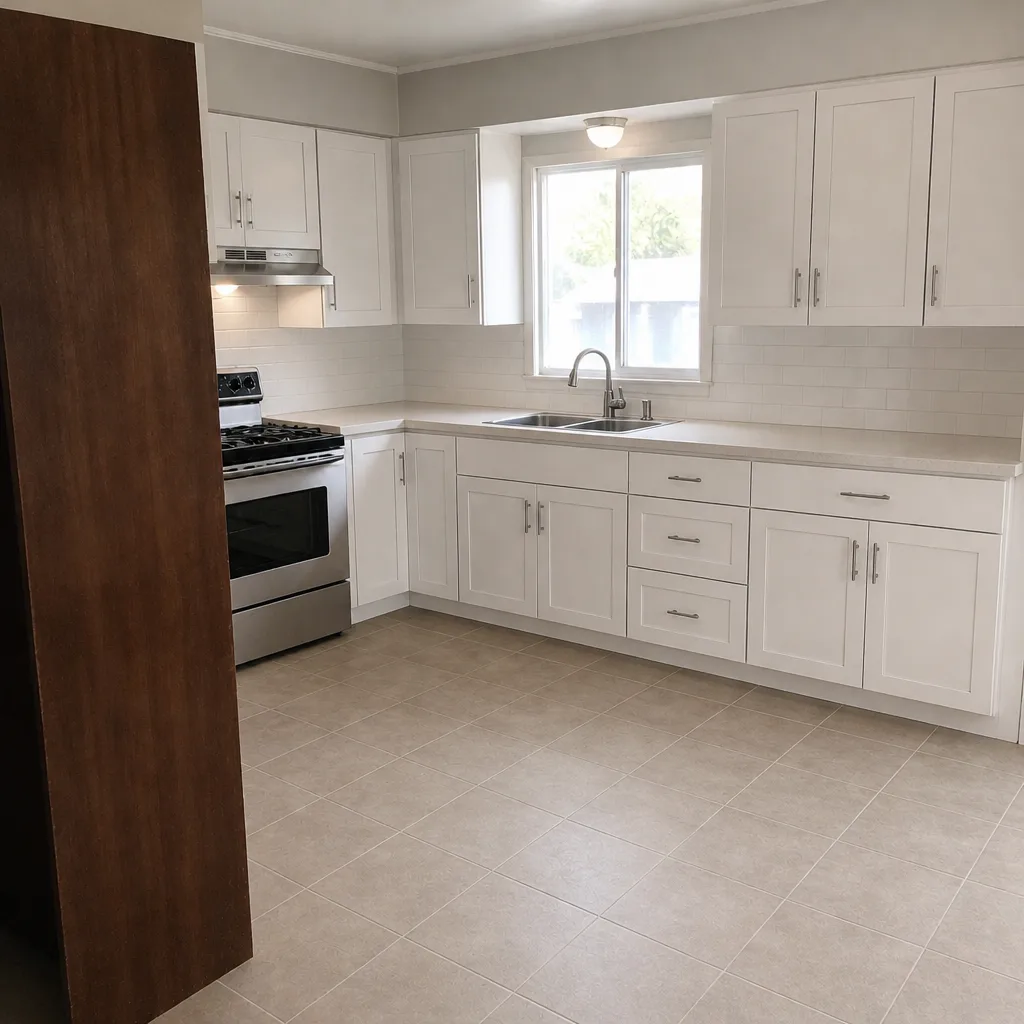 After
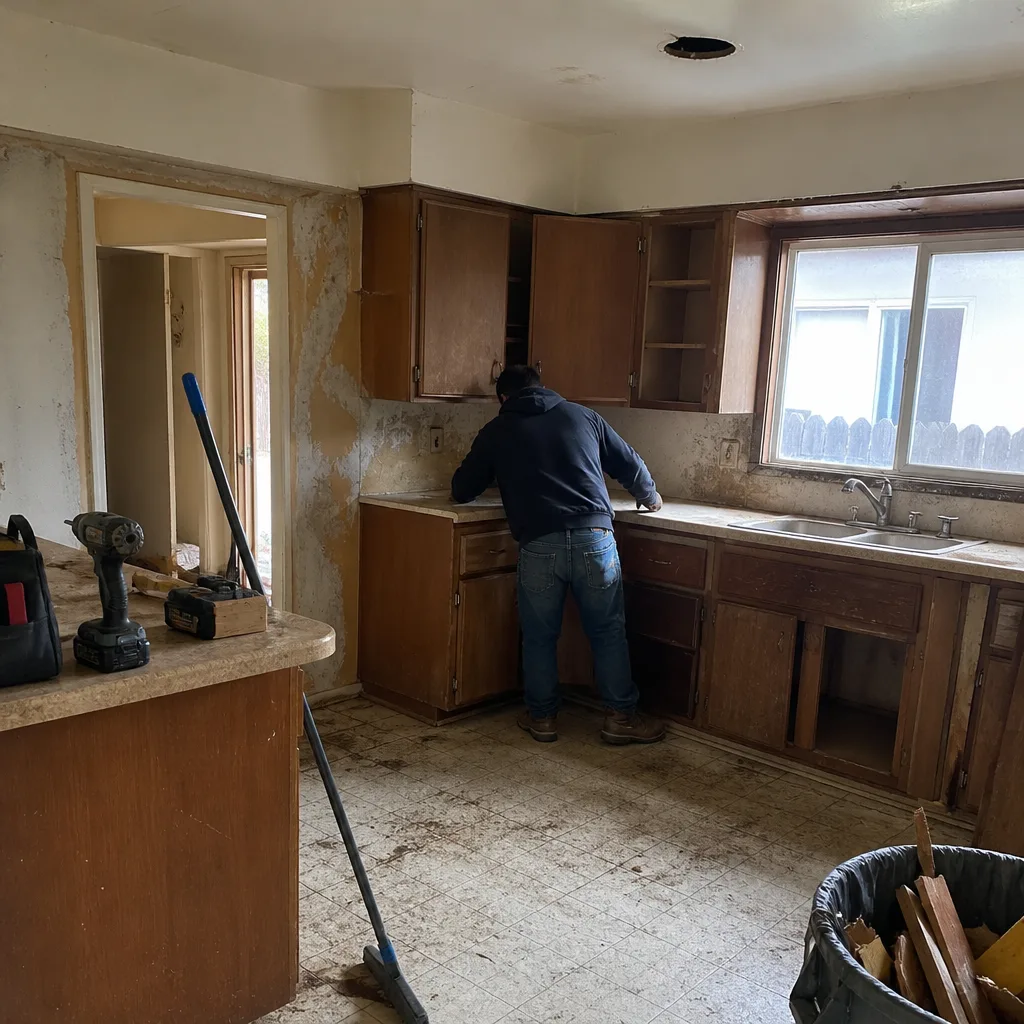 Before
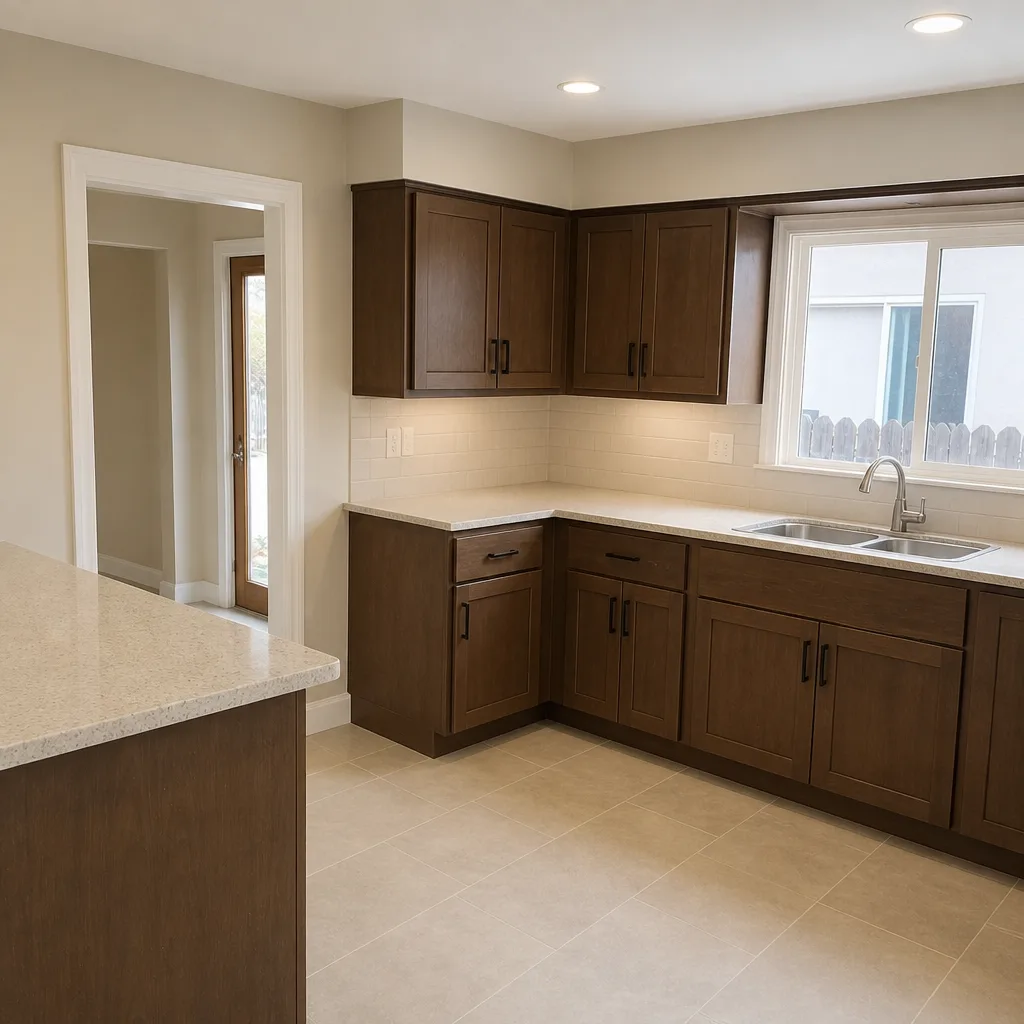 After
How to Repair a Chain Link Fence in Long Beach, CA
The short answer: repair chain link by fixing the failure point, not the visible rust. Replace bent or snapped knuckles and corroded mesh panels with stainless-steel ties or vinyl-coated ties, re-tension the top rail and tension band, and reset any leaning terminal post in fresh concrete. On Long Beach’s older fourplexes and bungalows, we usually find the real problem is corrosion at the wire twist – and that decides repair versus replacement. If your fence sits within a mile of the water and is over 10 years old, the rust you see is the last symptom, not the first. Call (888) 345-8164 for a free assessment; we’ll tell you which parts are actually failing.
Why Salt Air Makes Long Beach Chain Link Fail Differently
Most chain-link repair guides are written for inland fences, and this is where they fall short for Long Beach. The galvanized coating on chain link is thinnest at the twisted knuckles, the spiral where the wire hooks around the next one. In salt air off the Port of Long Beach, chloride-driven oxidation starts inside that twist months before any surface rust appears on the straight runs. So a fence that looks fine from ten feet is often already compromised at hundreds of connections – and a quick mesh patch won’t stop it.
We’ve opened up plenty of fences along the east side that fit this description. The knuckles crumble when you wiggle them, the wire under the zinc has gone dark, but the flat panels still read clean. That’s the sequence: knuckle first, wire second, visible rust last. And with a marine layer holding moisture on the metal most mornings, the process runs faster here than it does in Lakewood or Compton, where the air is drier and the salt is farther away.
Three Structural Indicators: The Repair-versus-Replace Test
Holes and dents don’t tell you much. Here’s what actually does. Before anyone recommends a repair, we check these three, and we run the same three for every assessment:
- Wire gauge: measure the diameter of the remaining wire with a caliper. If the galvanizing is gone and the wire has thinned below spec, the fence’s structural capacity is gone with it.
- Terminal post depth and anchor plate corrosion: pull the soil away at a corner or end post and check the depth and the anchor plate. Chain link holds its shape only if the terminal posts are solid in the ground.
- Top-rail tension: push the top rail sideways. Slack in the rail means the tension band and fittings have given way, which opens every panel below to sag and pull.
All three in good shape? A targeted repair makes sense. Two or more failing? You’re usually better off replacing the run, and it’s honest to say so. Fence Installation done once with the right gauge and coating costs far less than three repairs over the same span of years.
The Fastener Spec Most Chain-Link Repairs Get Wrong
Standard galvanized fence ties corrode faster than the mesh in Long Beach coastal air. They’re the thin wire or aluminum ties that hold the mesh to the top rail and line posts, and they’re the weak point in almost every repair we redo. A repair that reuses the original hardware spec is set up to fail within a couple of seasons, no matter how good the mesh is that went in.
For coastal Long Beach work we use stainless-steel ties or vinyl-coated alternatives, and we prefer aluminum or coated tension bands over plain galvanized. It’s a small cost line – the fasteners are a fraction of the job – but it’s the difference between a repair that holds and one that rusts at the seam. If a bid doesn’t name the fastener spec, ask why. It’s the first thing that tells you whether the person writing the estimate has worked near the water. On the east-side fourplexes built in the 1950s through the 1970s, this comes up on nearly every property-line run we see.
What Chain-Link Repair Costs in Long Beach
Pricing depends on the run length, the gauge, whether terminal posts need resetting, and the fastener spec you choose. Typical Long Beach ranges for the work:
| Repair scope | Typical Long Beach cost |
|---|---|
| Minor knuckle/tie repair, small patch | $200 – $600 |
| Full panel replacement with stainless ties | $500 – $1,800 |
| Post resetting or anchor-plate repair | $300 – $1,200 |
| Full repair of a mid-size residential run | $3,500 – $9,000 |
The $3,500-$9,000 range reflects a full run repair with terminal posts and new fasteners – close to replacement-level scope. Groundwork Construction Co. of Long Beach prices upfront, so the number you see is the number you pay, and the work is covered by our 730-Day Done Right Promise. If a repair fails at the knuckle two seasons later because the wrong fastener spec was used, we make it right. In a city where salt air makes the wrong spec the common spec, that’s a guarantee that actually gets used.

Property-Line and Permit Issues on Multi-Family Chain Link
Chain link on Long Beach’s dense fourplexes and garden apartments often runs along a property line, and repairs of a certain scope can trigger neighbor notification or a permit depending on height and location. A fence over six feet tall, a repair that rebuilds posts on a shared line, or work that shifts the fence’s position all fall into that category. Before you cut anything, confirm the fence is on your line and not your neighbor’s. And if the property is in a Coastal Zone or a historic context – parts of Rose Park and Belmont Heights qualify – the review stack gets deeper.
Infill lots here are scarce and expensive, so most of the work on these older properties is repair-in-place, not rebuild-from-scratch. That’s exactly why the assessment matters: a proper repair keeps a serviceable fence alive for years, and a rushed one hands you the same problem back. Our approach starts with that assessment every time.
What to Check on Your Own Fence Before You Call
You can do a solid visual check in about five minutes without any tools. It will tell you whether the fence needs a patch, a full repair, or replacement – and it’ll help you ask better questions when you call.
- Wiggle the knuckles along the top rail. If they crumble or feel loose, the zinc has gone and oxidation is inside the wire.
- Push the top rail sideways. Slack means fittings and tension bands have given way.
- Inspect the terminal posts at the corners and ends. Any lean or rust staining at the base means water is getting into the anchor plate.
- Look at the tie wires. White rust or flaking on the ties tells you the hardware is the first failure point.
- Check for gaps at the bottom. A sagging mesh that’s pulled up from the bottom rail is often the visible sign of a slack top rail.
One safety note, because this is where people get hurt: chain link is only as safe as its posts, and a leaning or rusted terminal post under tension can let go without warning. Don’t lean on or cut a fence that’s visibly compromised. If you find any of the warning signs above, have it looked at before a panel comes down on someone. Our technicians have up to 12 years of experience and know the difference between cosmetic rust and a fence that’s about to fail.
Repair or Replace Your Chain Link? A Straight Answer
Replace if two of the three structural indicators are failing – usually when the wire gauge is under spec and the terminal posts are compromised. Repair if the posts, rail, and wire are sound and the failure is in the fasteners or a few knuckles. On a Long Beach fence more than 15 years old with salt exposure, replacement is often the cheaper long-run call even when the mesh looks intact, because you’d otherwise be re-repairing the same run every couple of seasons. When you’re ready to compare, our Fence Installation in Long Beach page lays out the options and the cost of starting fresh.
FAQs
You repair it by replacing the rusted knuckles and the fasteners, not by painting over the rust. Surface rust on a knuckle usually means the zinc coating has already failed there, so the repair is to cut out the failed section, splice in new mesh, and re-tie it with stainless-steel or vinyl-coated ties. Painting over it just seals in the problem. Call (888) 345-8164 – a free assessment tells you whether the rest of the fence is still sound.
Yes, but you’ll usually need to notify your neighbor first, and work over six feet in height or that rebuilds posts on a shared line may require a permit depending on location. Confirm the fence is on your side of the line before anyone cuts. A contractor who knows the local review stack will ask that question up front. Call (888) 345-8164 for an exact answer on your property.
Typical Long Beach chain-link repair runs $200 to $600 for a minor patch and $3,500 to $9,000 for a full run repair with terminal posts and new coastal-grade fasteners. The spread comes down to scope and fastener spec. Call (888) 345-8164 for a free upfront quote – the number you see is the number you pay.
Because the galvanized coating is thinnest at the twisted knuckle, so salt air and chloride-driven oxidation attack that spot before the straight wire. That’s the corrosion sequence in this coastal environment, and it means a fence can look intact while the connections are already failing. Surface rust is the last symptom to show. Call (888) 345-8164 and we’ll check the knuckles before recommending anything.
If you’d rather have it looked at, Groundwork Construction Co. of Long Beach offers a no-pressure assessment in Long Beach – call (888) 345-8164. We’ll walk the fence with you, check the three structural indicators, and tell you plainly whether a repair holds or a replacement is the honest call. Free estimate, upfront pricing, and a 730-Day Done Right Promise on the work.
Written by the team at Groundwork Construction Co. of Long Beach, serving Long Beach, CA.