Free written scope consultation - allowances, timeline, and change-order rules on paper before a single trade is scheduled
Styles & brands we work with
- Kitchen remodeling
- Bathroom remodeling
- Home additions & ADU
- Roofing
- Windows & doors
- Driveway & pavers
- Fence
See the difference
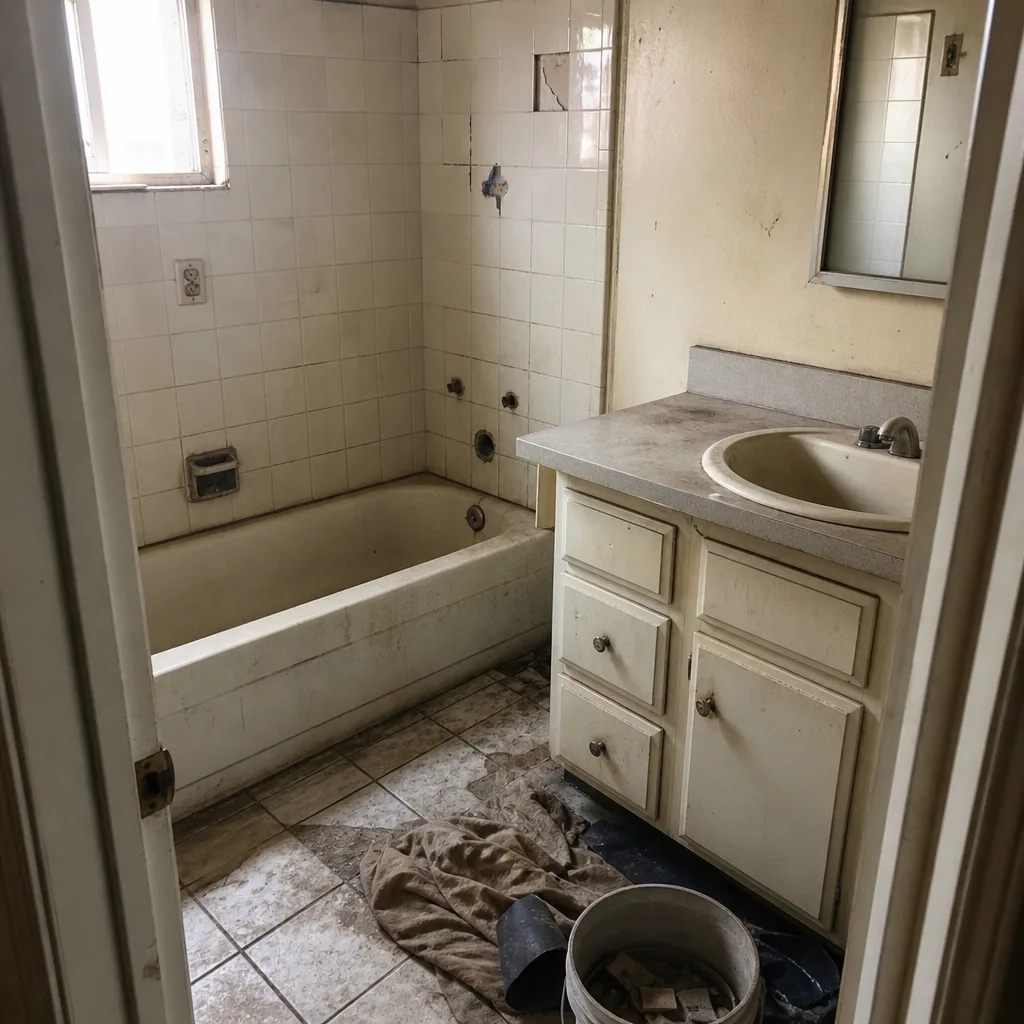 Before
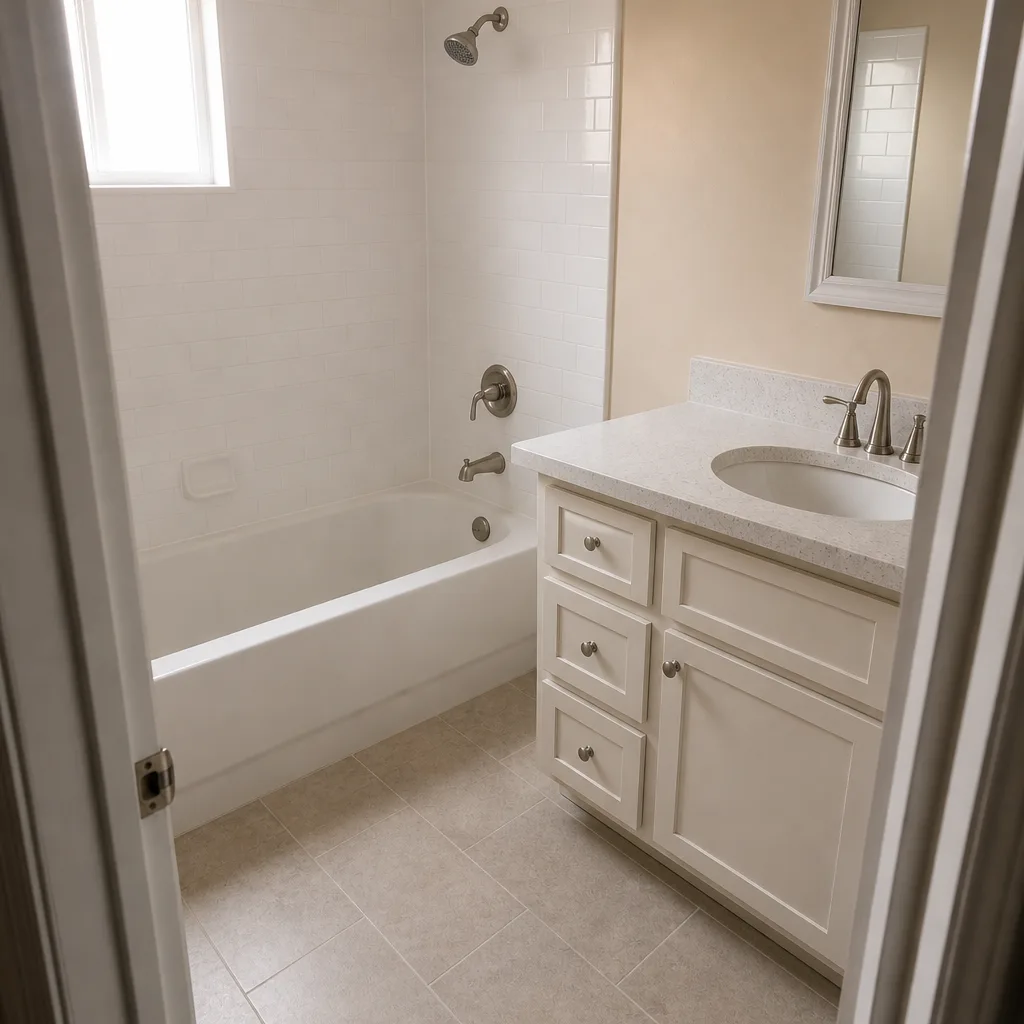 After
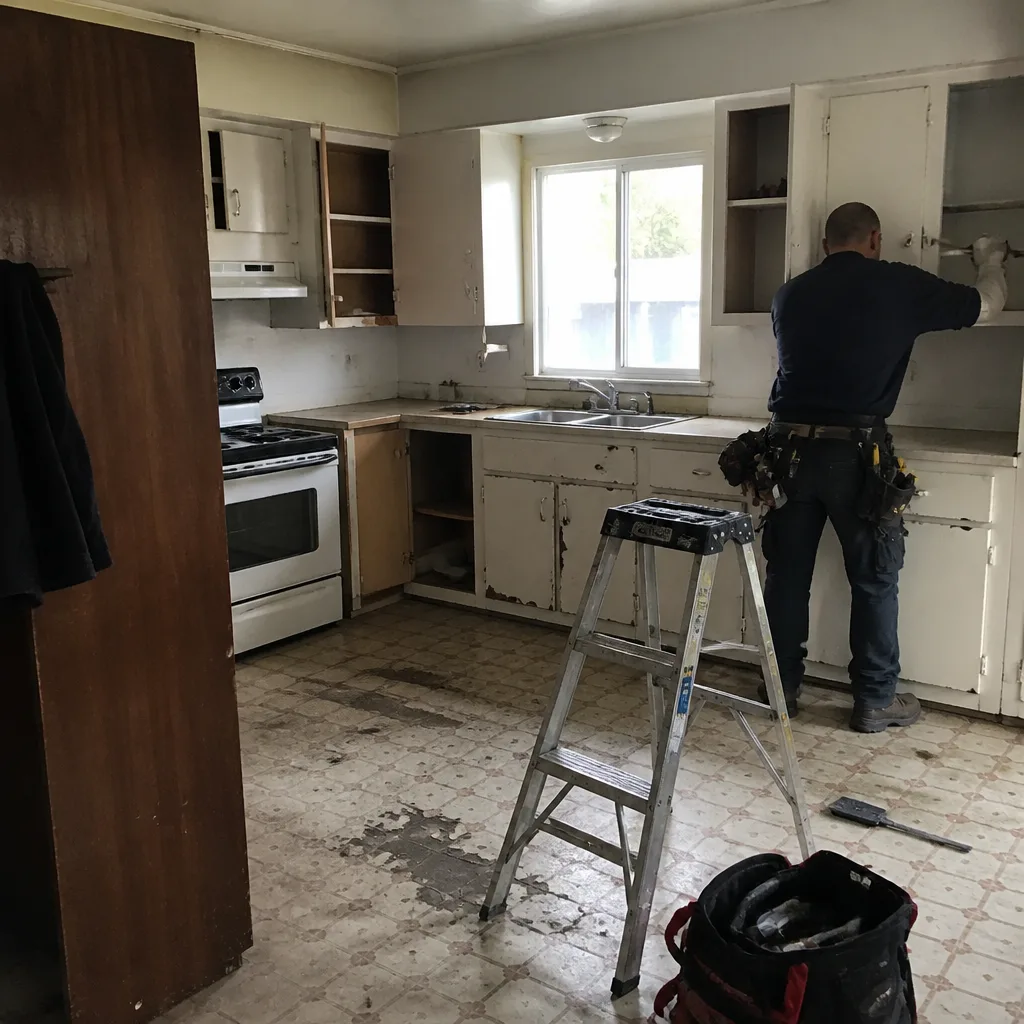 Before
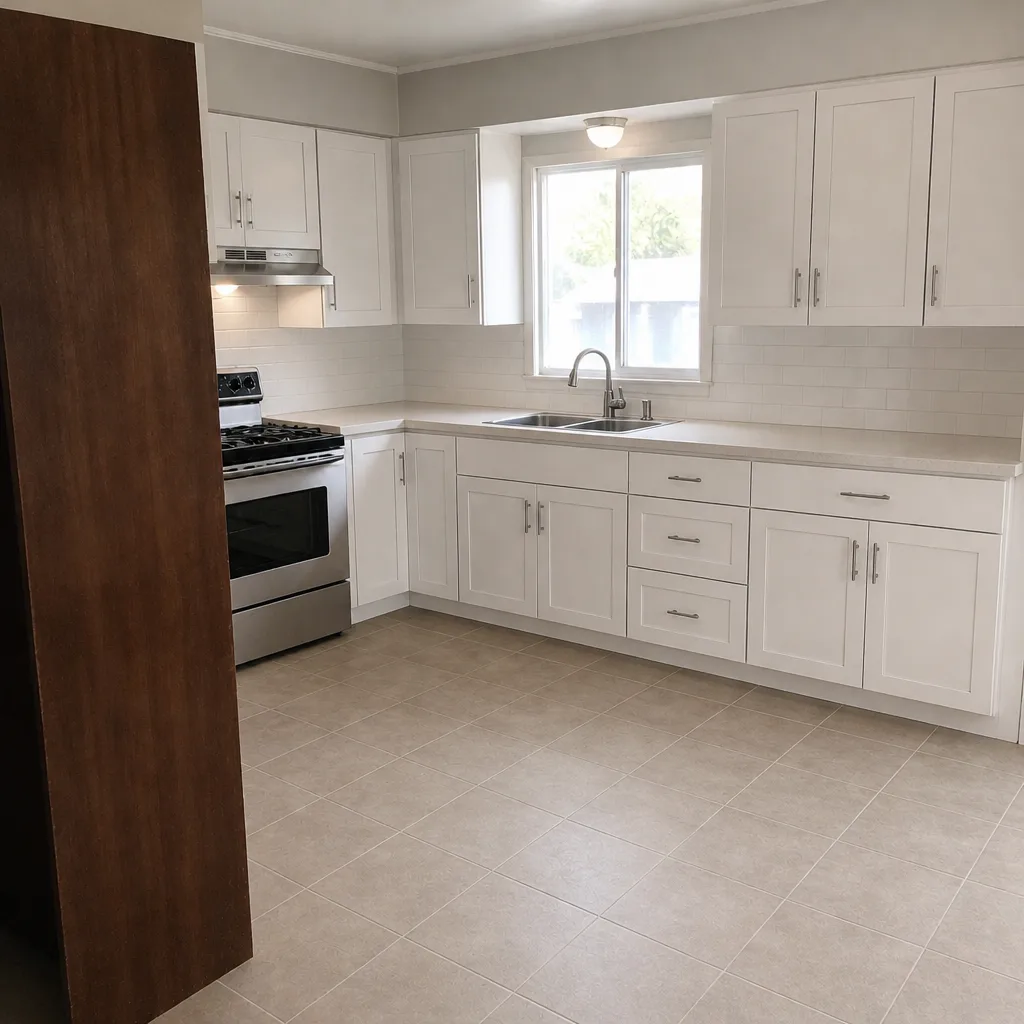 After
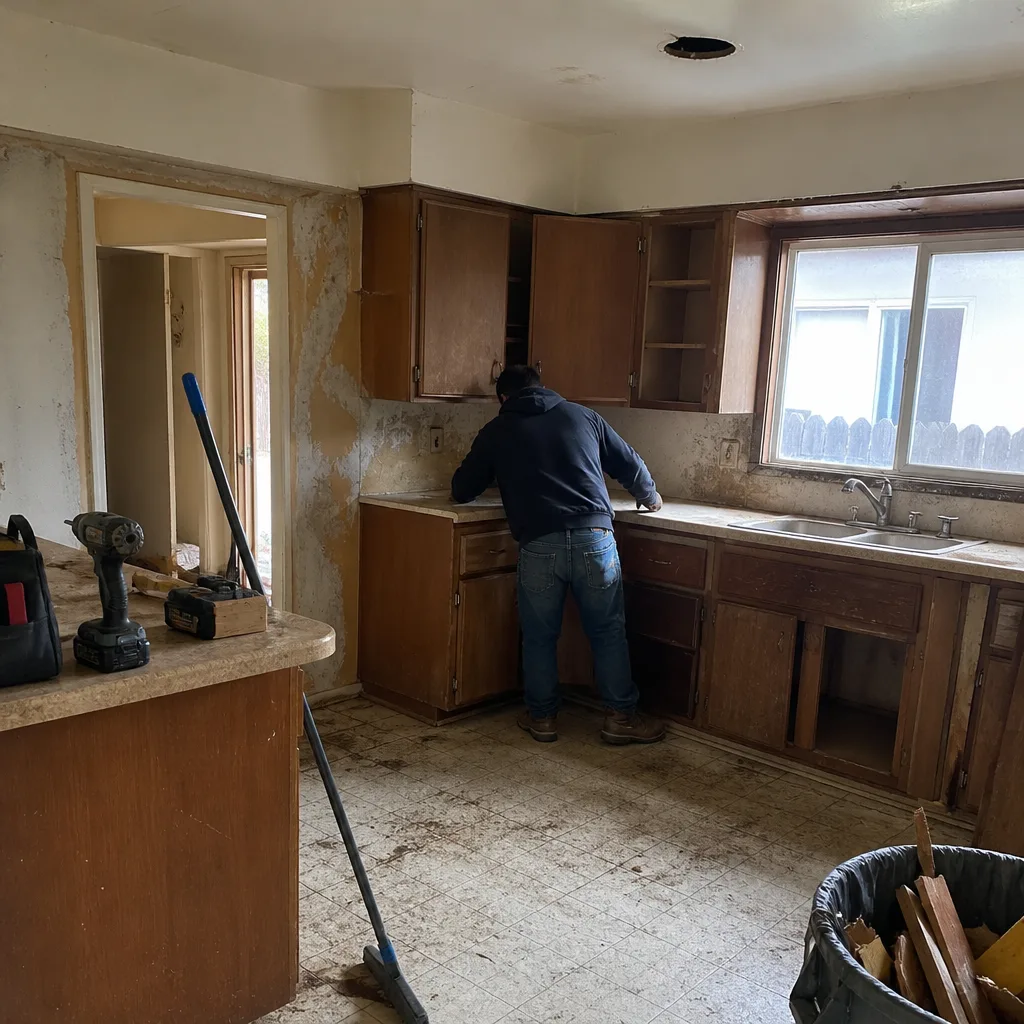 Before
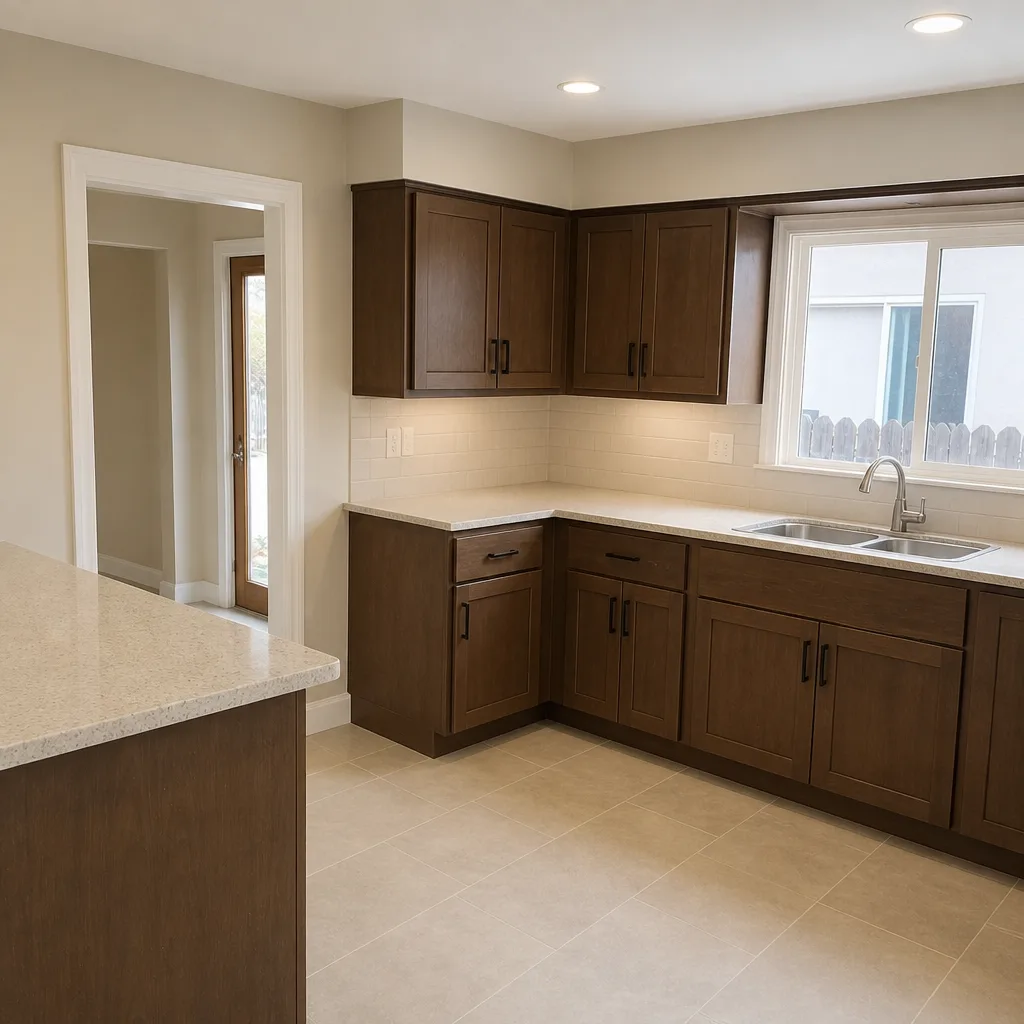 After
Window Design Pressure Ratings in Long Beach, CA: What That DP Number Actually Means
A design pressure (DP) rating tells you how much wind load a window is built to resist, expressed in pounds per square foot, and it covers both positive pressure (wind pushing the glass inward) and negative pressure (suction pulling it outward). Most windows sold in Long Beach carry DP ratings somewhere between DP-25 and DP-50 depending on frame size, glazing and operation type. The part that rarely gets explained: a window tested at DP-35 at the factory can behave more like DP-20 after five or six years of salt air and marine-layer moisture working on the frame, seals and hardware. Call (888) 345-8164 if you’d like us to walk your specific windows with you.
What Does a DP Rating Actually Measure?
The number represents pounds per square foot of uniform static wind pressure the window assembly can handle without structural failure, permanent deformation or water infiltration past the threshold. It’s tested in two directions: positive (wind pressing in) and negative (suction pulling out). A window rated DP-35 is designed to withstand 35 psf of pressure in both directions, though the exact performance at the negative side is where a lot of cheap units quietly fall short.
Here’s what most spec sheets never spell out. The DP rating combines three separate test results: structural load, water penetration resistance and air infiltration, carried out in a specific sequence under lab conditions on a brand-new assembly. The window that gets rated is a pristine sample, in a controlled chamber, with new weatherstripping and factory-fresh sealant. Real-world performance depends on how well the frame holds up once it’s out in the actual weather.
DP Rating vs. Impact Resistance: Two Very Different Things
A DP rating measures structural wind load. It says nothing about whether the glass will stop a flying 2×4 at 50 mph. Impact ratings (often expressed through the large-missile test in Florida and Texas building codes) measure whether the glazing survives debris impact during a storm. You can have a window rated DP-50 that isn’t impact-rated, and you can have an impact window rated to a lower DP. In Long Beach, most homeowners replacing windows are balancing wind load, salt exposure and coastal permitting, not hurricane debris protection, so the DP number is usually the more relevant figure. But conflating the two leads people to buy the wrong window for the wrong reason.
Why a DP Rating on Paper Isn’t a DP Rating in Long Beach
Long Beach’s marine layer and the salt air drifting in off the Port do measurable damage to window frames over time. Aluminum frames pit and oxidize, especially near the coast and in neighborhoods like Belmont Heights and Rose Park, where the housing stock runs back to the 1920s-40s and many windows are original or first-generation replacement. Wood frames absorb moisture, swell, and crack the factory sealant that holds the water barrier together. Once that weather seal breaks down, water gets into the frame cavity, corrosion accelerates, and the assembly that was tested at DP-35 to a lab standard starts behaving like something closer to DP-20 or worse. The rating didn’t change. The window did.
That’s why the spec that matters isn’t just the headline DP number. It’s what sustains that number over the life of the window:
- Corrosion-resistant hardware and fasteners. Stainless or marine-grade connections where salt air is a daily factor, not just coastal “insurance.”
- Proper flashing and drainage. Even a great window fails at the rough opening if the flashing is wrong. Water sitting behind a sill is what kills a frame, not the wind.
- Sealant compatible with the substrate. A sealant that works on stucco can break down against wood. Long Beach’s mix of old wood bungalows and 1950s-70s stucco fourplexes means the sealant choice matters per wall, not per project.
- Frame material matched to exposure. Aluminum in direct coastal exposure needs a finish rated for salt spray. Wood needs water management built into the installation, not just a coat of paint.
Groundwork specifies Andersen and Marvin windows for exactly this reason. Both lines publish tested DP ratings for their real configurations, not just a headline figure pulled from a hero product photo. That gives Long Beach homeowners a verifiable baseline for what the window should do, and our installers work the flashing, sealant and hardware around it so the rating actually holds up. Every install is backed by our 730-Day Done Right Promise: if something about the window or the install isn’t right, we come back and make it right.
Do Coastal Zone Rules in Long Beach Require Specific DP Minimums?
In some cases, yes. Long Beach sits inside the California Coastal Zone, and window replacement on certain ocean-facing elevations can trigger design review or specific performance requirements. Not every project needs it, but some do, and that distinction matters: an inland contractor working out of Lakewood or Compton often doesn’t flag it because they don’t deal with it. A Long Beach project that touches a coastal-facing wall can require documentation of the window’s tested DP rating, seismic anchoring details if the opening is being enlarged, and in historic districts like Rose Park and Belmont Heights, design review for the window profile itself. The upshot is blunt: the DP number isn’t just a spec you read. In parts of Long Beach, it’s something you have to prove on paper before the permit clears.
What Should Long Beach Homeowners Budget for Wind-Rated Window Replacement?
Replacement window costs in the Long Beach market fall into predictable bands, and understanding them helps you ask better questions about what DP rating you’re getting for the money. Pricing below reflects typical residential projects across the city; the coastal Zone and historical districts can push toward the higher end.
| Project | Typical Long Beach Range |
|---|---|
| Window replacement (whole-home or major portion) | $4,500-$15,000 |
| Impact window installation | $8,000-$25,000 |
| Coastal Zone or historic-district design review | Varies per project – built into the estimate |
Upfront pricing means the number you see is the number you pay, with no mid-project surprise. And because large-scale window replacement can strain a household budget, we offer 0% financing for 18 months plus $1,000 off any project over $10,000, so a full coastal-facing window upgrade doesn’t have to wait.
What Windows Do We Recommend for a Long Beach Coastal Install?
For Long Beach, we start with frame material: aluminum with a coastal-rated finish, or engineered wood with a robust water-management detail at the sill and head. From there, we look at the window’s tested DP rating for the specific size and operation. A large fixed picture window on a wind-exposed elevation needs more structural backbone than a small casement on a protected wall. Andersen and Marvin both publish these configuration-specific ratings, which is why we work with them: the spec sheet tells the truth.
Our technicians have up to 12 years of experience with coastal installs, and they arrive background-checked and in uniform. You’ll never get an unmarked van pulling up. For a full picture of what window and door work looks like with us, see our Windows & Doors service page, or explore our broader Long Beach service area for region-specific checklists.
FAQs
For most Long Beach residential projects, DP-30 to DP-40 covers typical wind-load conditions, though ocean-facing elevations or larger windows can require higher ratings. The exact figure depends on your project’s exposure and permit requirements, which sometimes means Coastal Zone or historic-district design review documentation. We walk through the required rating window-by-window during the estimate, and if you’re unsure where your project lands, call (888) 345-8164 for a clear answer.
In a coastal environment like Long Beach, frame corrosion and sealant breakdown can start measurably within 5-10 years without proper hardware and flashing. Where salt air is a daily reality, aluminum frames with poor finishes and wood frames without managed water drainage degrade faster than the same window in an inland climate. That’s why the installation materials matter as much as the rating on the box, and it’s the reason we insist on corrosion-resistant hardware and correct flashing on every Long Beach install.
No. DP ratings measure structural wind load (positive and negative pressure), not impact resistance. If you need protection from debris impact (a 2×4 at 50 mph), you’re looking for impact-rated glazing, which is a separate test. Most Long Beach homeowners need DP-rated windows for wind load and salt exposure, not impact-rated glass, but the two should never be confused when you’re comparing bids. Call (888) 345-8164 if you want us to help you sort out which standard applies to your project.
Yes, that’s part of the job. We handle coastal-zone documentation, historic-district design review where required, and the DP-rating proof that sometimes has to accompany the permit application. It’s a permitting path that inland contractors out of Lakewood or Compton don’t commonly travel, which is why we recommend verifying your contractor knows Long Beach’s peculiarities before signing. Call (888) 345-8164 to talk through your project and see what actually applies to your address.
Call for a Straight Answer on Your Long Beach Windows
If you’re reevaluating your windows before the next Santa Ana wind event or wondering what a DP rating actually means for your own home, we’ll come out and walk the project with you, no pressure and no sales pitch. Groundwork Construction Co. of Long Beach is at (888) 345-8164 for a free estimate and a real conversation about which rating your home actually needs. If we don’t think replacement is the answer, we’ll tell you that too. From foundation to finish line, backed in writing.
Written by the team at Groundwork Construction Co. of Long Beach, serving Long Beach, CA.