



Free written scope consultation - allowances, timeline, and change-order rules on paper before a single trade is scheduled
Styles & brands we work with
- Kitchen remodeling
- Bathroom remodeling
- Home additions & ADU
- Roofing
- Windows & doors
- Driveway & pavers
- Fence
See the difference
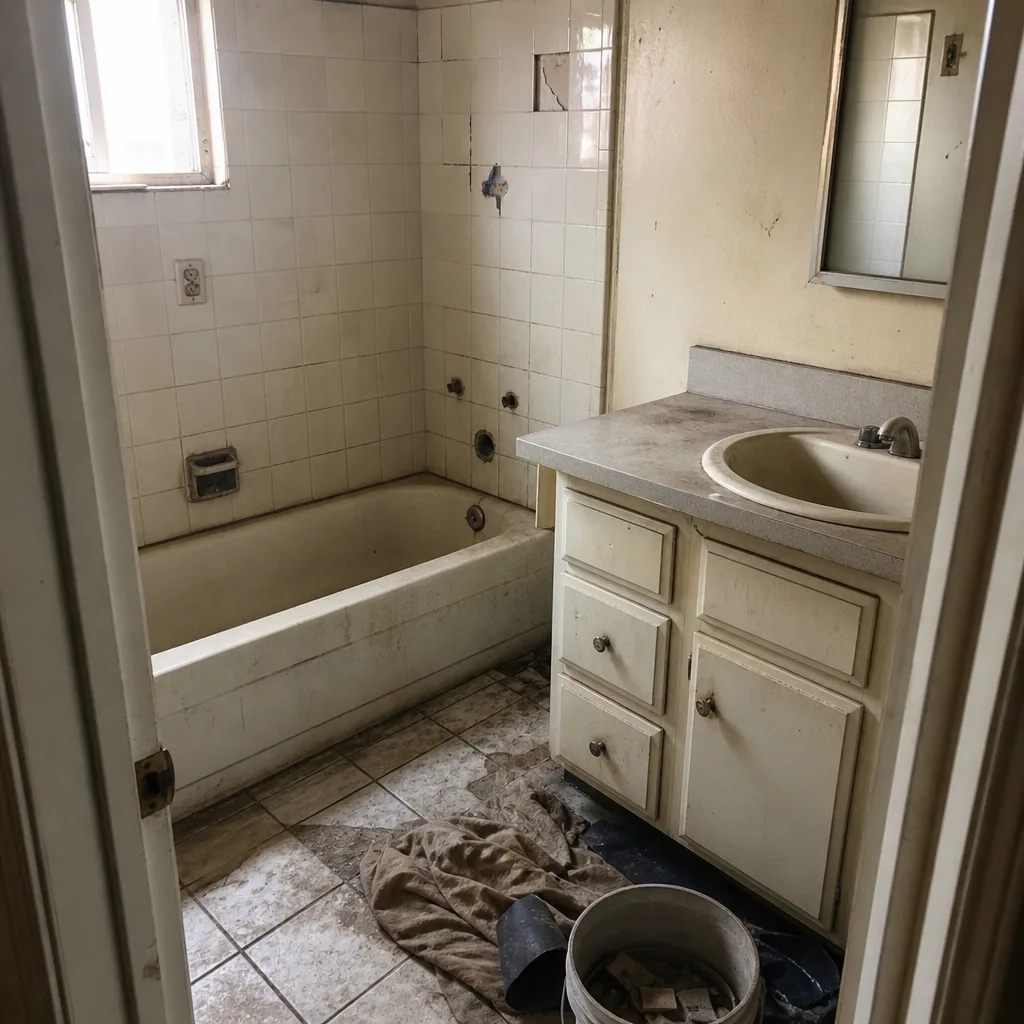 Before
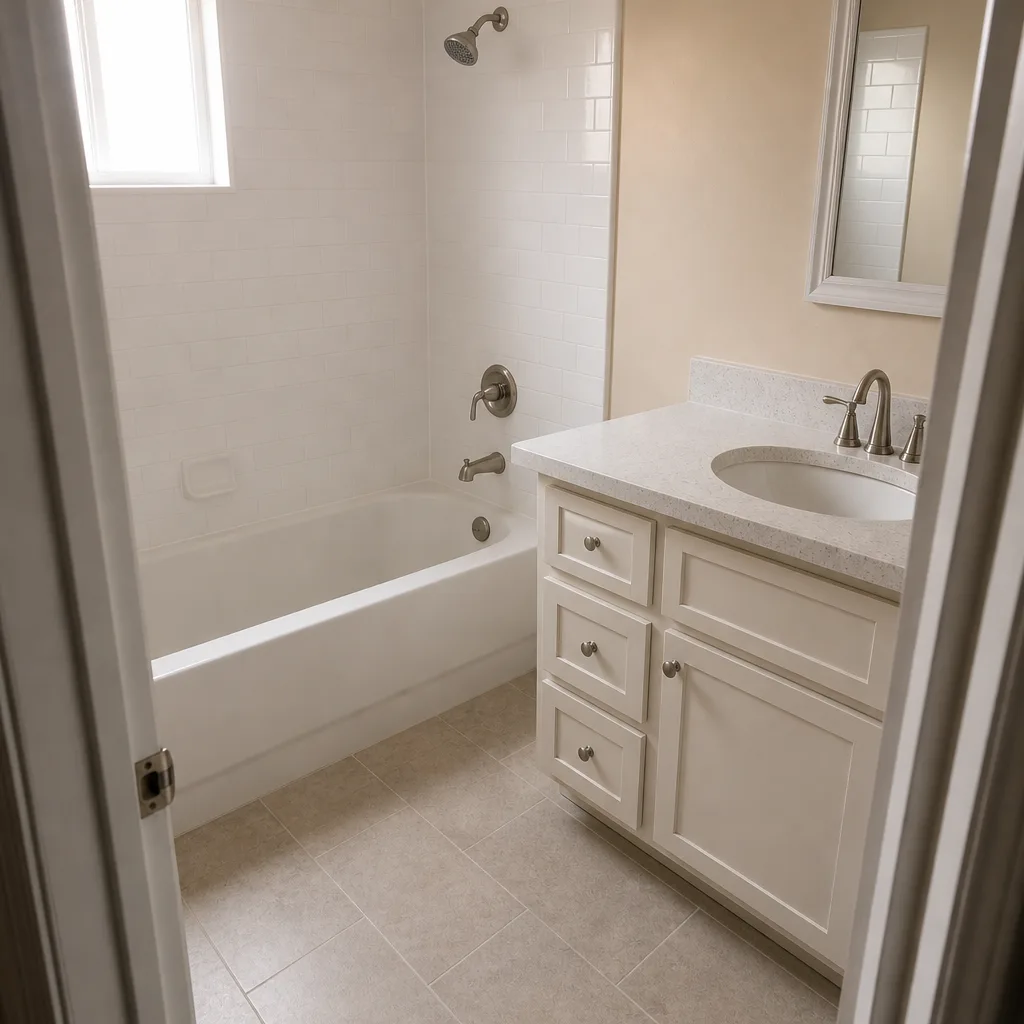 After
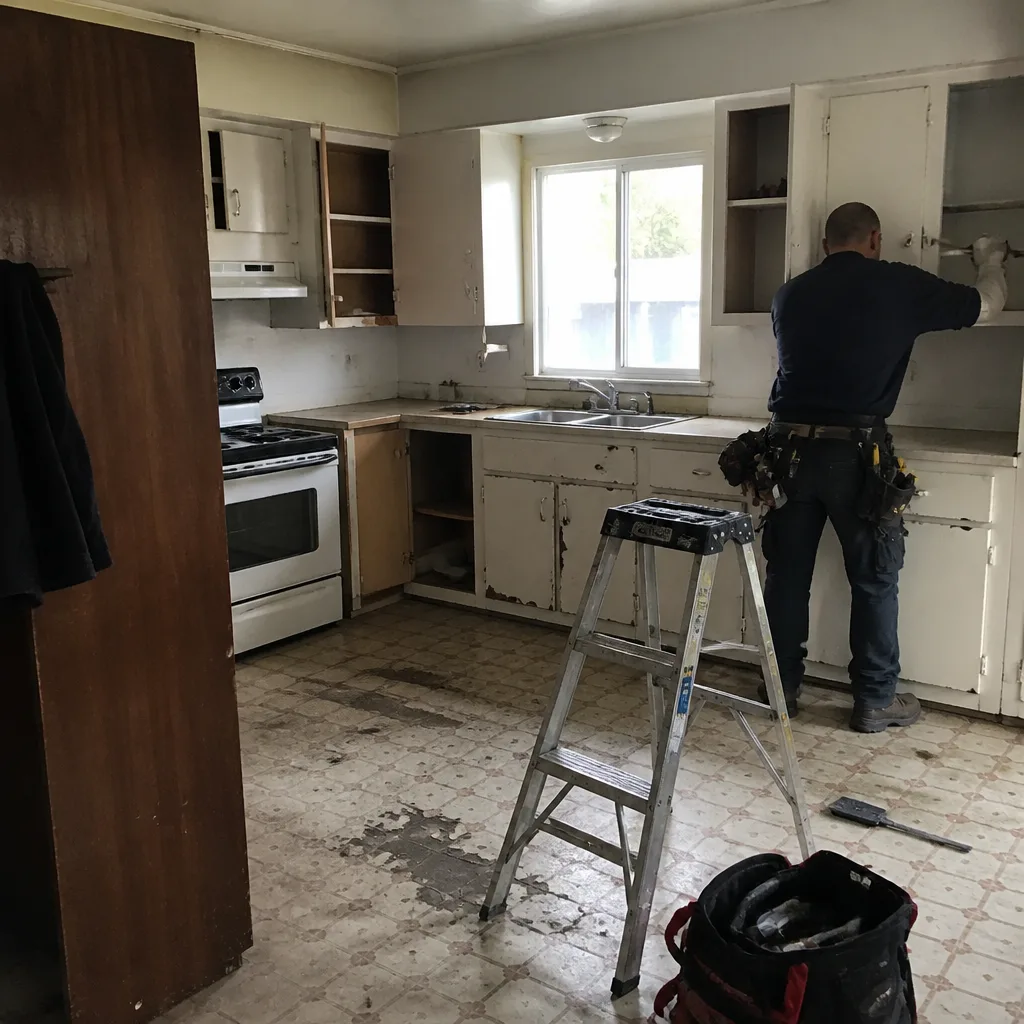 Before
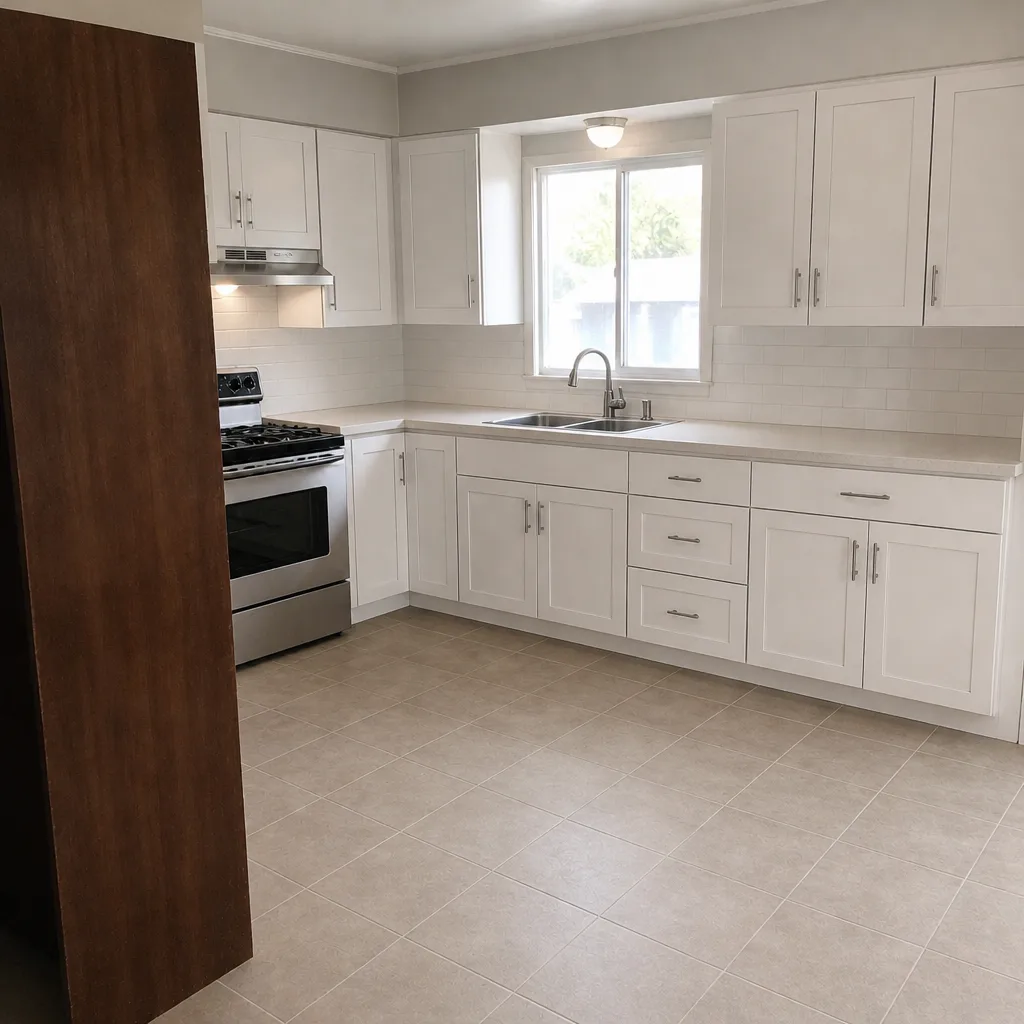 After
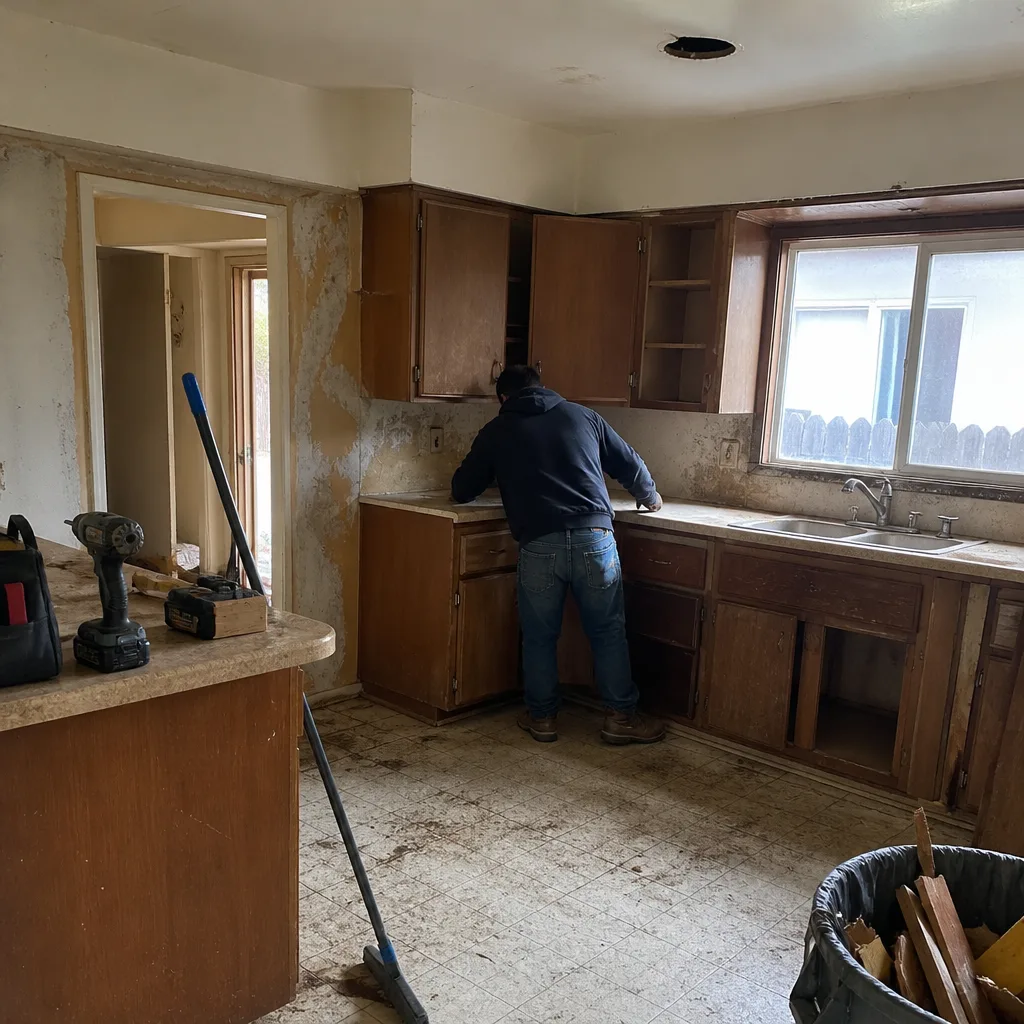 Before
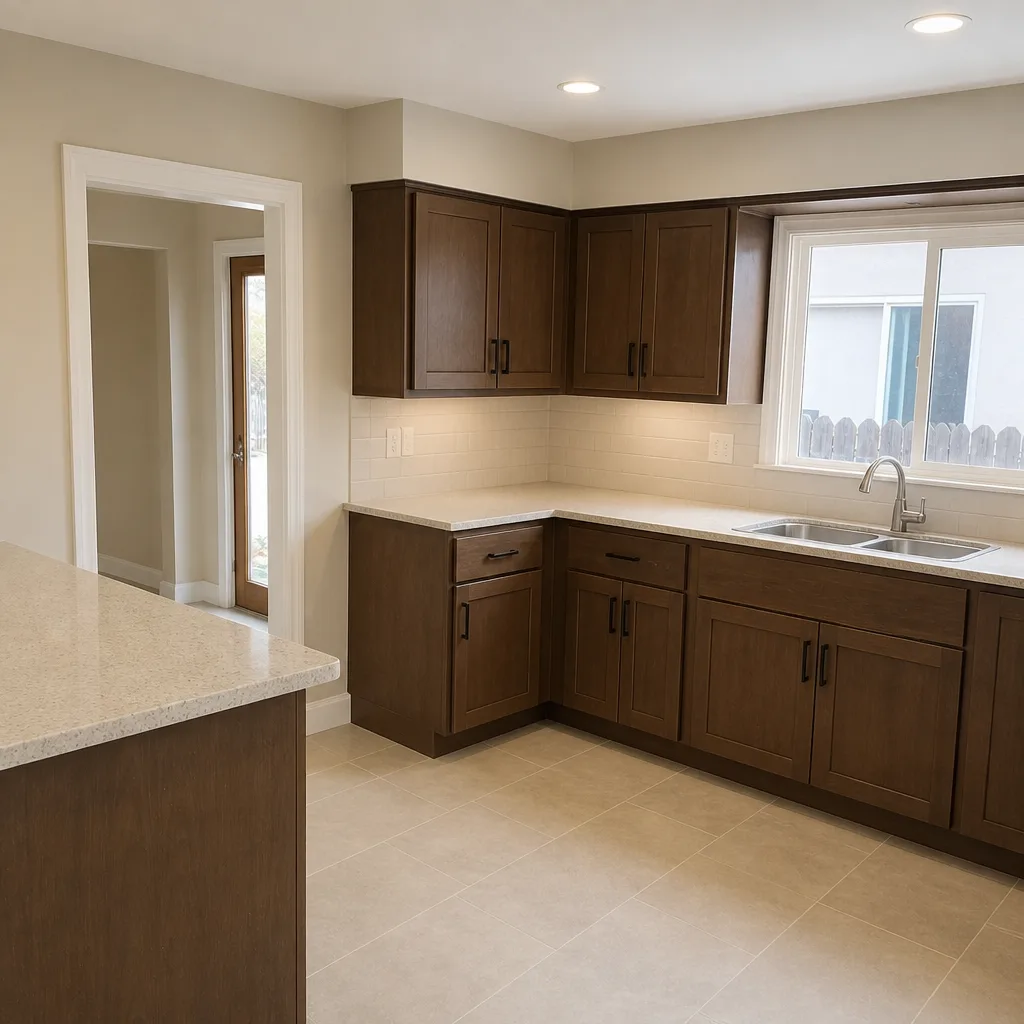 After
What Causes Roof Leaks in Long Beach, CA: The Causes Most Guides Skip
The number one cause of roof leaks on Long Beach homes isn’t the shingles – it’s the galvanized flashing that’s been dissolving in salt air for 20 years while the shingles above it still look fine. When a homeowner calls us with a ceiling stain, the actual failure usually traces to flashing corrosion, dead underlayment, or a cold-joint seam at an old addition, not to worn roofing material. If you’re standing under a drip right now, call Groundwork Construction Co. of Long Beach at (888) 345-8164. We answer with a live person around the clock, and we trace the real source before anyone quotes a repair.
A quick frame on this city before we get into causes: Long Beach is a salt-air, marine-layer town built on a very old housing stock. Pre-1933 bungalows and 1930s Craftsman fourplexes in Rose Park and Belmont Heights, dense 1950s-70s stucco garden apartments, and post-war tract homes on the east side all leak for different reasons. The port air corrodes metal fast, and the near-zero annual rainfall means most roofs here are killed by corrosion and moisture cycling rather than by rain volume. That’s the opposite of what an inland roofer from Lakewood or Compton is trained to look for.
What to Look For: Metal Failures Before Roof Material Failures
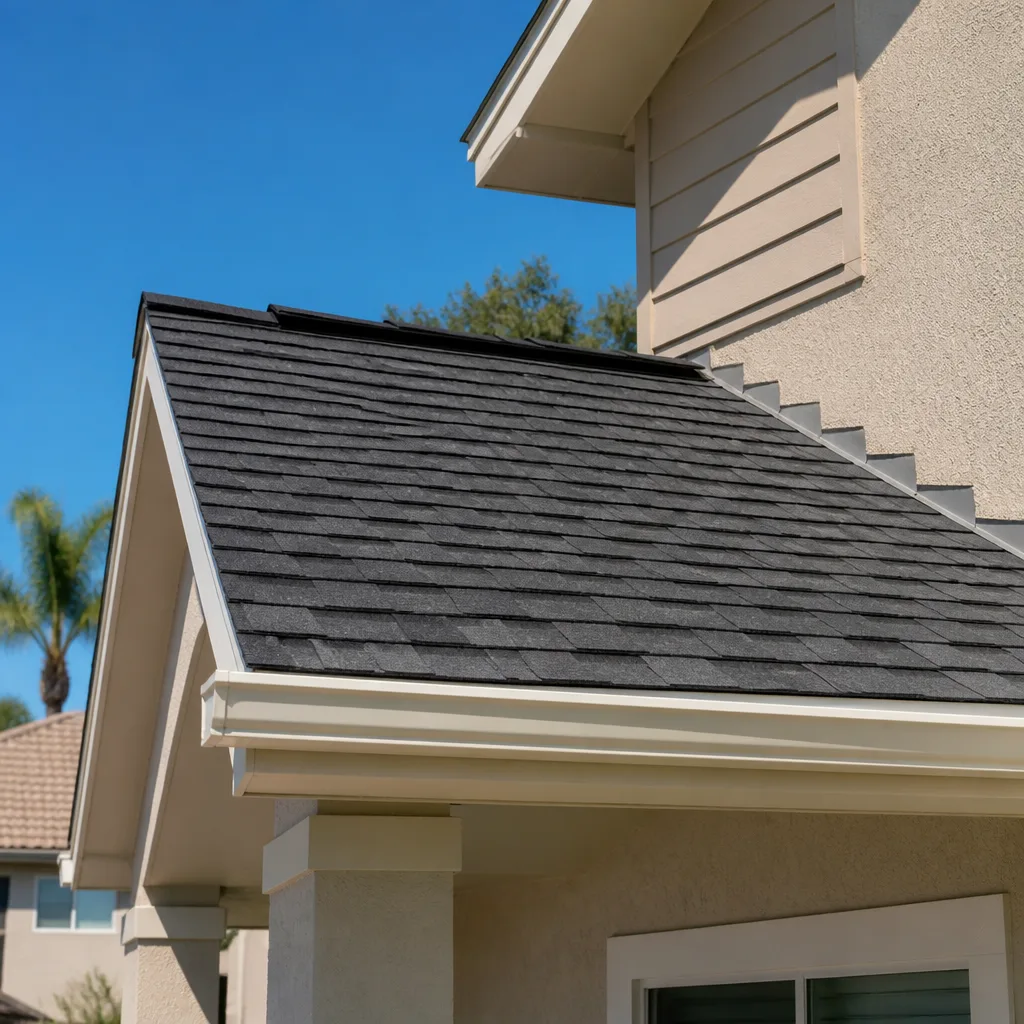
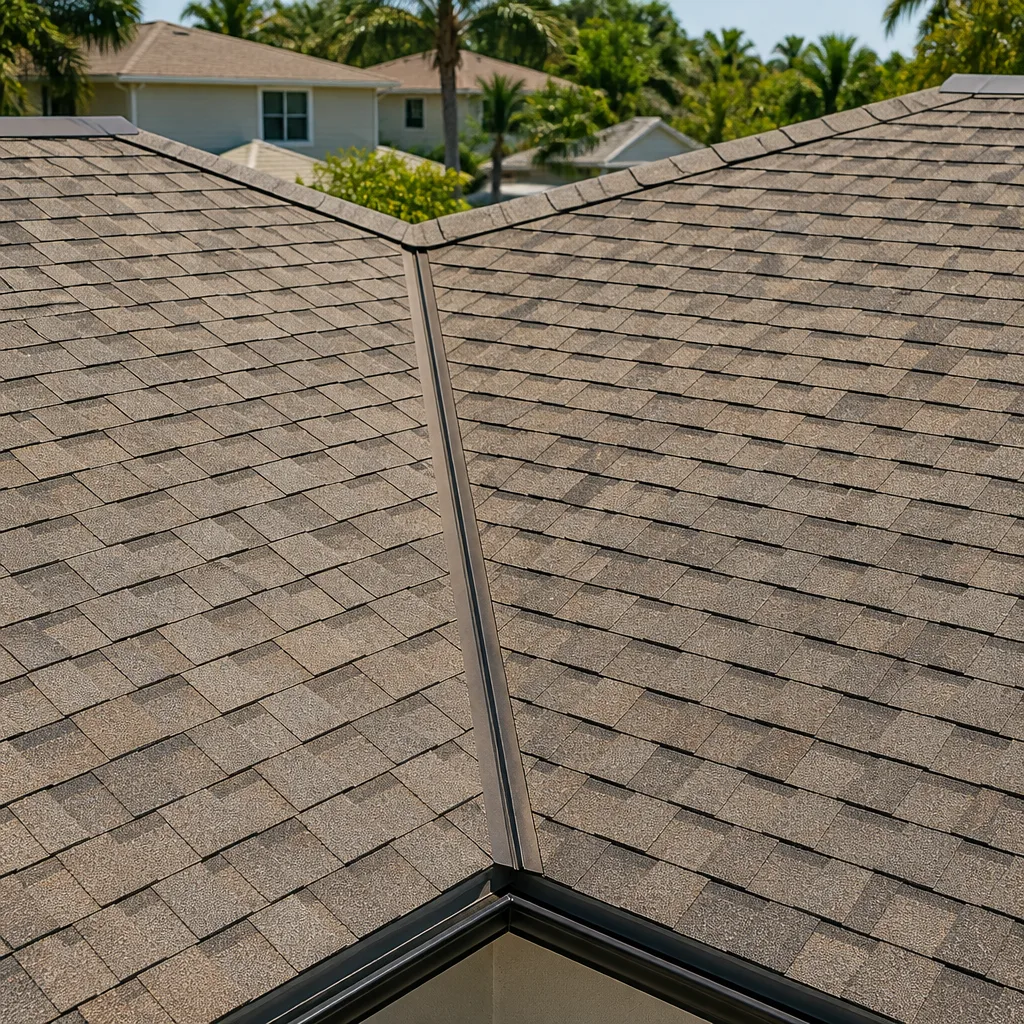
On a coastal home, the flashing tends to go first. Step flashing and counter flashing at chimneys, skylights, and dormers are typically thin galvanized steel, and in Long Beach’s salt air that metal corrodes through in 15 to 20 years. The asphalt shingles or tile above it can still have a decade of life left. So a roofer who reads only the top layer will recommend a full tear-off when the real failure is a $400 to $1,800 flashing repair.
Here’s the practical distinction worth memorizing:
- Flashing failure: stains appear at a chimney, skylight, or dormer after wind-driven rain, not after every storm. Shingles look intact. This is the highest-return single repair on a coastal Long Beach roof, and it’s often what a Roofing assessment should be checking first.
- Underlayment failure: leaks appear in broad sheets or at multiple interior points on the same slope, and the felt beneath the shingles or tile is dark, crumbly, and acting like a sponge. Common on homes whose original 1930s-50s decking and felt were never replaced.
- Cold-joint seam failure: leaks concentrate along the line where two separately built roof sections meet – the signature of an un-permitted addition.
Why Long Beach Underlayment and Addition Seams Fail
The marine layer is the quiet culprit behind the underlayment problem. Long Beach homes get wet and dry repeatedly as overnight fog rolls in and the afternoon sun bakes it off. That humidity cycling slowly destroys the felt underlayment under tile and shingle. On a house whose original roof deck and felt date to the 1930s through 1950s, the underlayment has long since stopped shedding water and is holding moisture against the wood beneath.
Addition seams are the second most common leak source on Long Beach buildings with additions built before 1980. That’s endemic here because so much of the stock is bungalows and fourplexes that grew room by room. When two roof sections are laid independently and meet without proper overlap flashing at the cold joint, water finds the seam every time. The repair is rarely a patch – it’s rebuilding the joint so the two planes drain correctly.
Why a Leak Looks Like a Plumbing Problem
Older Long Beach wood-frame homes often still have knob-and-tube electrical chases running from the attic down through the walls. Water rides those chases and shows up at a wall cavity or window frame far from where it entered the roof. We’ve traced drips at a bathroom wall to a flashing failure 15 feet away on the roof. Misreading that as a plumbing leak or a window failure sends money into the wrong trade entirely.
What Does Leak Diagnosis and Repair Cost in Long Beach?
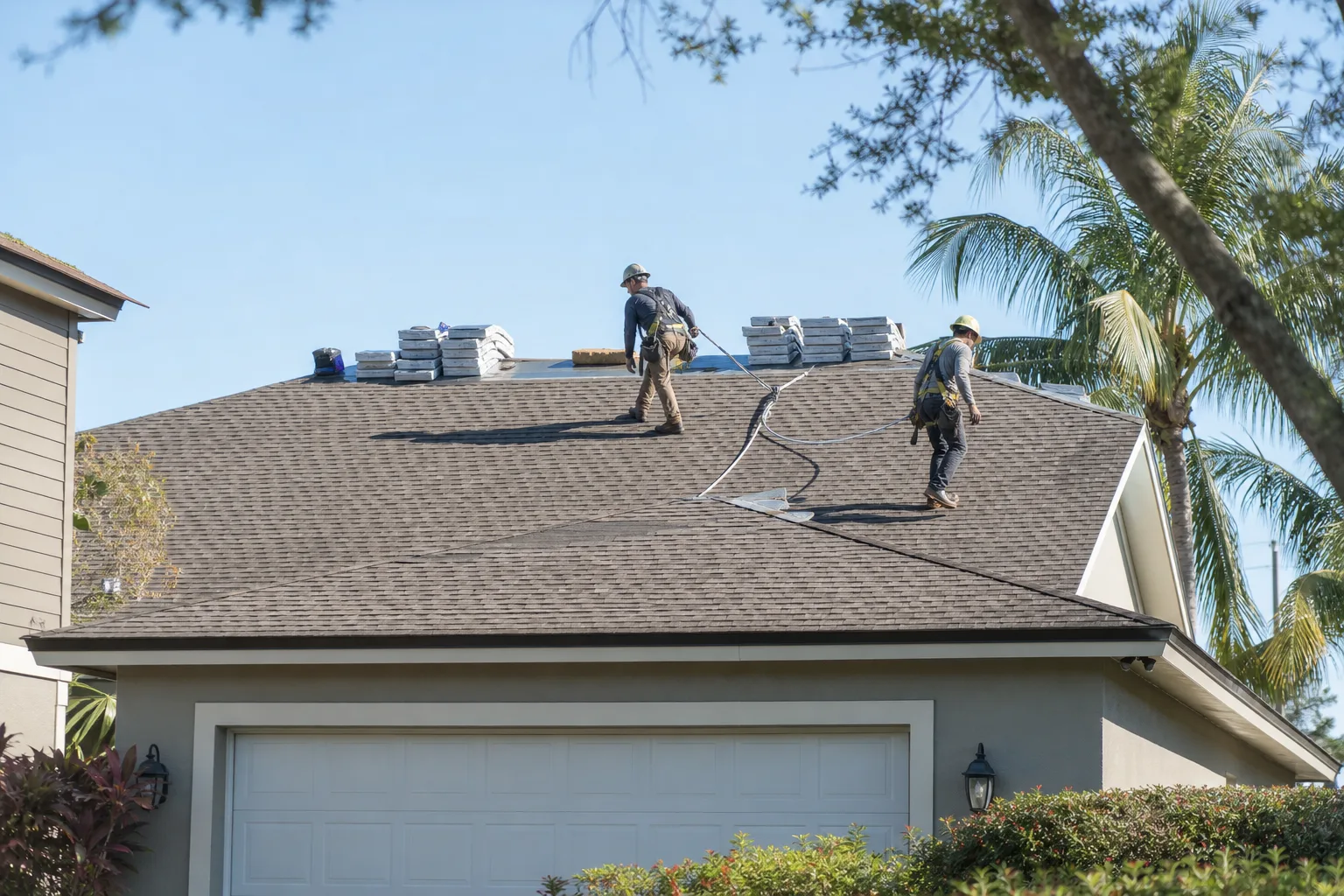
Diagnosis should come before any quote, and here’s what the repairs typically run in this market:
| Service | Typical Long Beach Range |
|---|---|
| Roof repair (flashing, patch, seam) | $400-$1,800 |
| Tile roof repair | $600-$2,500 |
| Full roof replacement | $8,000-$20,000 |
| Metal roof installation | $15,000-$40,000 |
Those ranges are why diagnosis matters. A $600 tile repair that fixes the actual leak saves you from a $12,000 replacement you didn’t need. When a replacement really is the answer, we use GAF and Owens Corning systems so the decking, underlayment, and flashing go back as one matched assembly rather than mismatched pieces. And because our technicians have up to 12 years of experience, the person reading your roof knows what coastal corrosion looks like up close.
Why We Trace the Leak Before Quoting the Repair
Our approach isn’t a surface inspection. We trace the source through the decking, flashing, and underlayment system before we quote anything, so you’re not patching one symptom while the actual cause keeps working through your structure. That’s the difference between a repair that holds and a repair you repeat next winter. It’s part of the same standard that backs every project with the 730-Day Done Right Promise – if it’s not done right, we make it right.
For context on the broader construction reality here: pre-1933 bungalows in Rose Park and Belmont Heights sit in a Coastal Zone and historic context, which means even a roof repair on a front-facing elevation can trigger design review. It’s a permitting stack you won’t hit inland. Full details on how we handle projects across the city live on our Long Beach service area page.
FAQs
Salt-air corrosion of galvanized step and counter flashing at chimneys, skylights, and dormers is the most frequent cause of roof leaks in Long Beach. That metal fails in 15 to 20 years, often a decade before the shingles or tile warrant replacement, so a contractor who inspects only the top layer will misdiagnose it as shingle failure. Call (888) 345-8164 for a free estimate – we trace the source first.
A single roof section that leaks at the junction with an addition is almost always a cold-joint seam failure where two independently laid membranes meet without proper overlap flashing. This is common on Long Beach buildings with additions built before 1980. Call (888) 345-8164 and we’ll confirm whether the seam needs rebuilding rather than patching.
Yes – water routinely travels down knob-and-tube electrical chases and wall cavities in older Long Beach wood-frame homes, so the visible drip point can be 10 to 15 feet from the real entry. That’s why chasing the source matters more than patching the stain. Call (888) 345-8164 for an assessment that follows the water path back to the roof.
For a flashing or seam failure, repair is far cheaper – a $400 to $1,800 fix versus $8,000 to $20,000 for replacement – and it’s usually the right call when the shingles and tile still have life. Replacement makes sense when the underlayment and decking have failed across whole slopes. Call (888) 345-8164 for upfront pricing with no surprises, and ask about 0% financing for 18 months plus $1,000 off projects over $10,000.
Get the Leak Traced Right the First Time
If you’d rather have it looked at, Groundwork Construction Co. of Long Beach offers a no-pressure assessment in Long Beach – call (888) 345-8164. We’ll find where the water is actually coming from before we quote a repair, show you the cause in plain terms, and back the work with our 730-Day Done Right Promise.
Written by the team at Groundwork Construction Co. of Long Beach, serving Long Beach, CA.