
Free written scope consultation - allowances, timeline, and change-order rules on paper before a single trade is scheduled
Styles & brands we work with
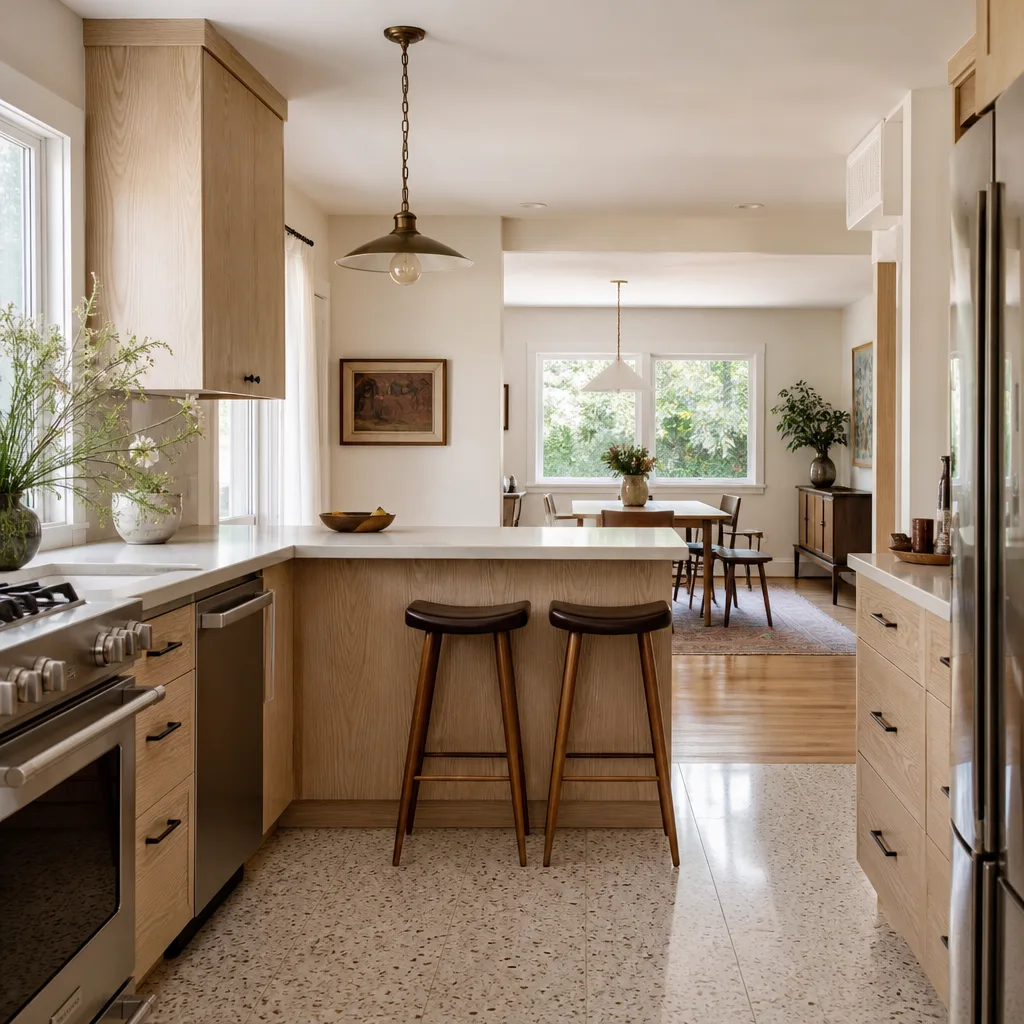
- Kitchen remodeling
- Bathroom remodeling
- Home additions & ADU
- Roofing
- Windows & doors
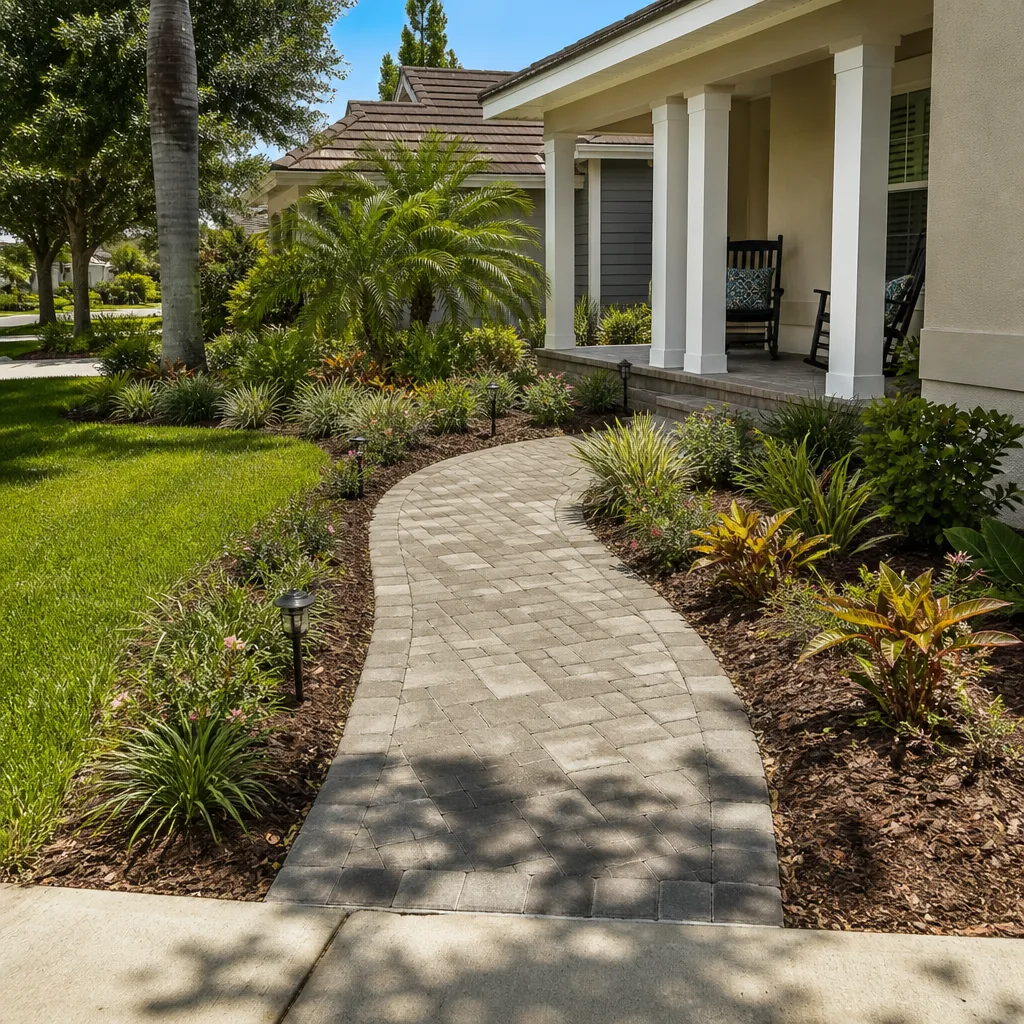
- Driveway & pavers
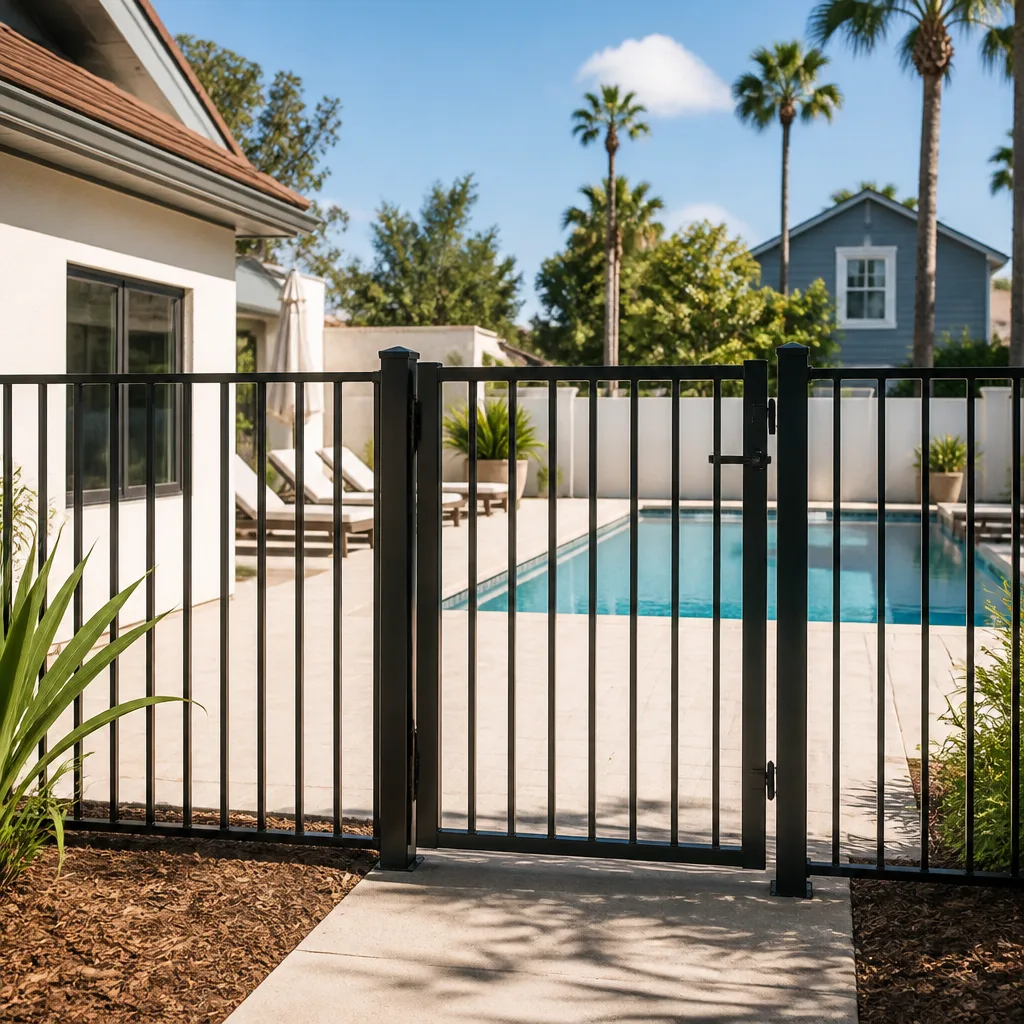
- Fence
See the difference
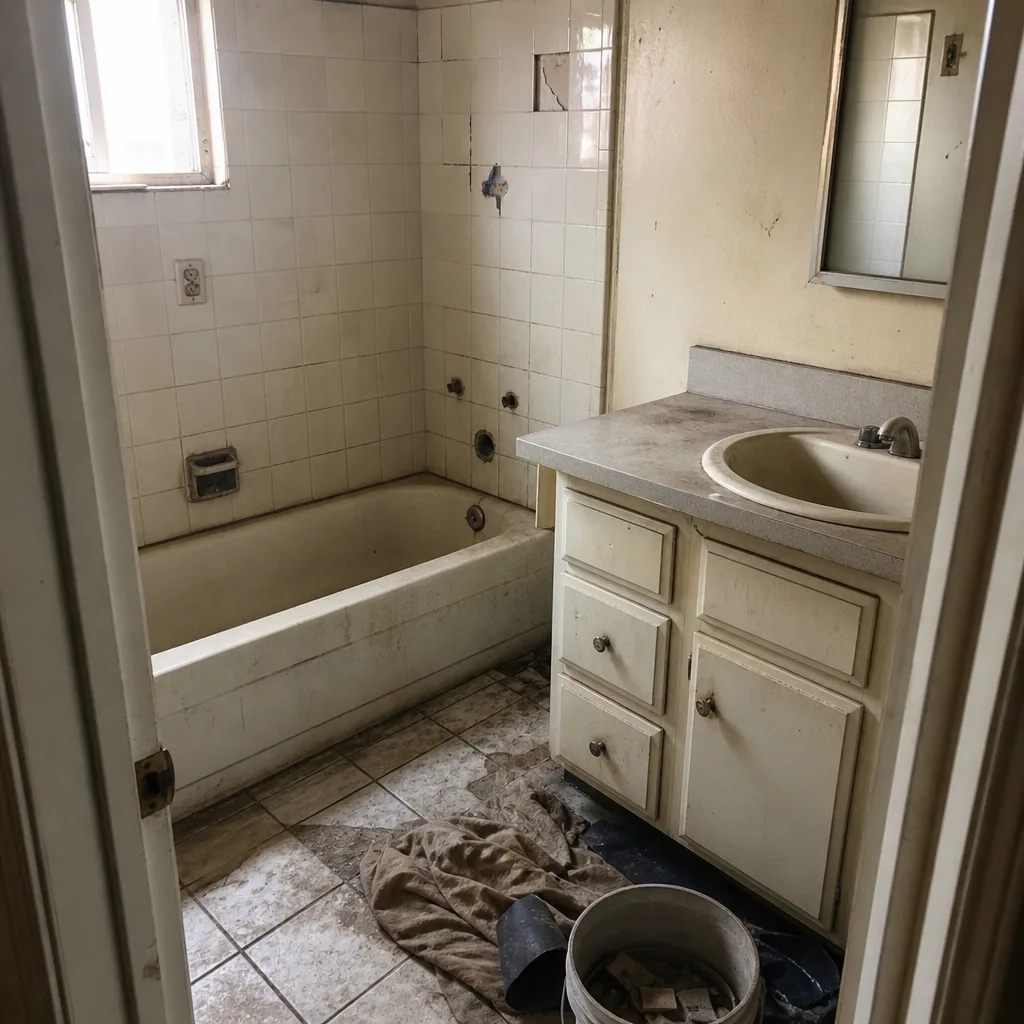 Before
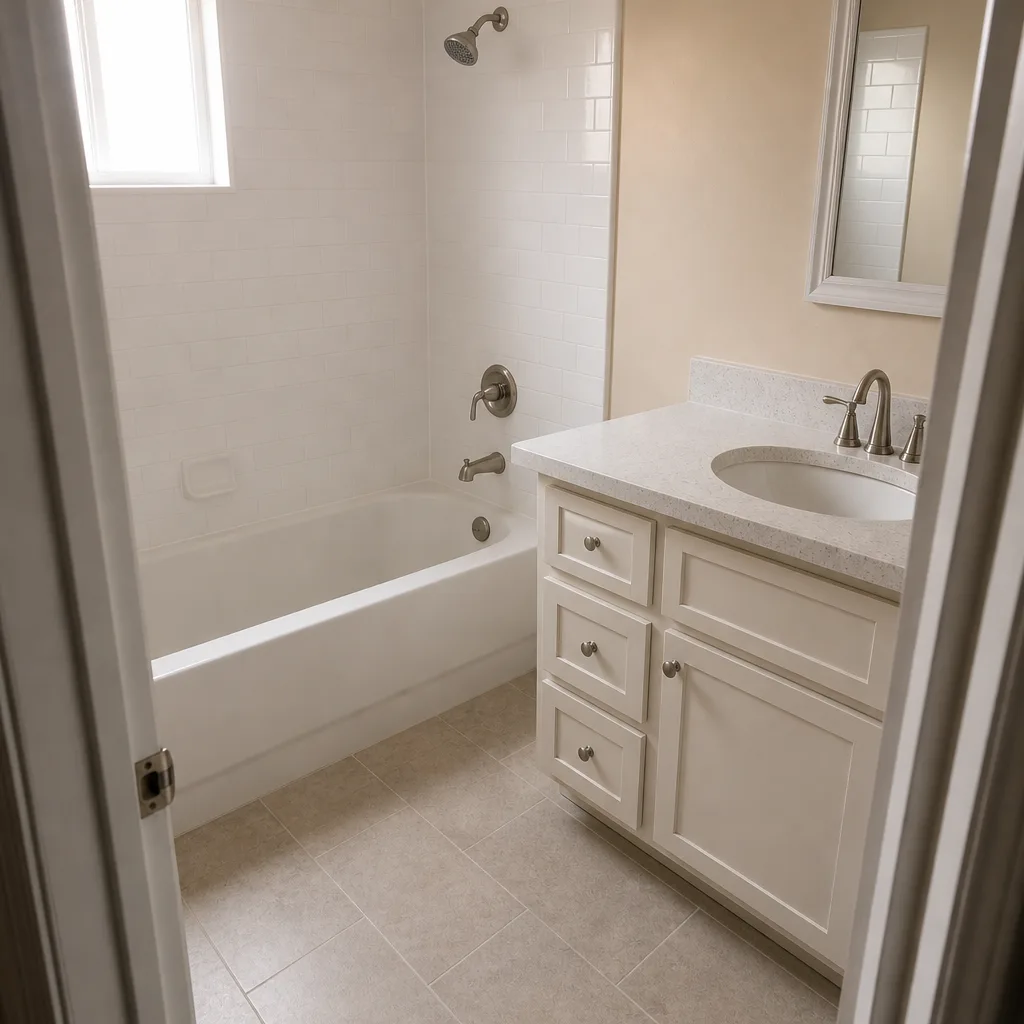 After
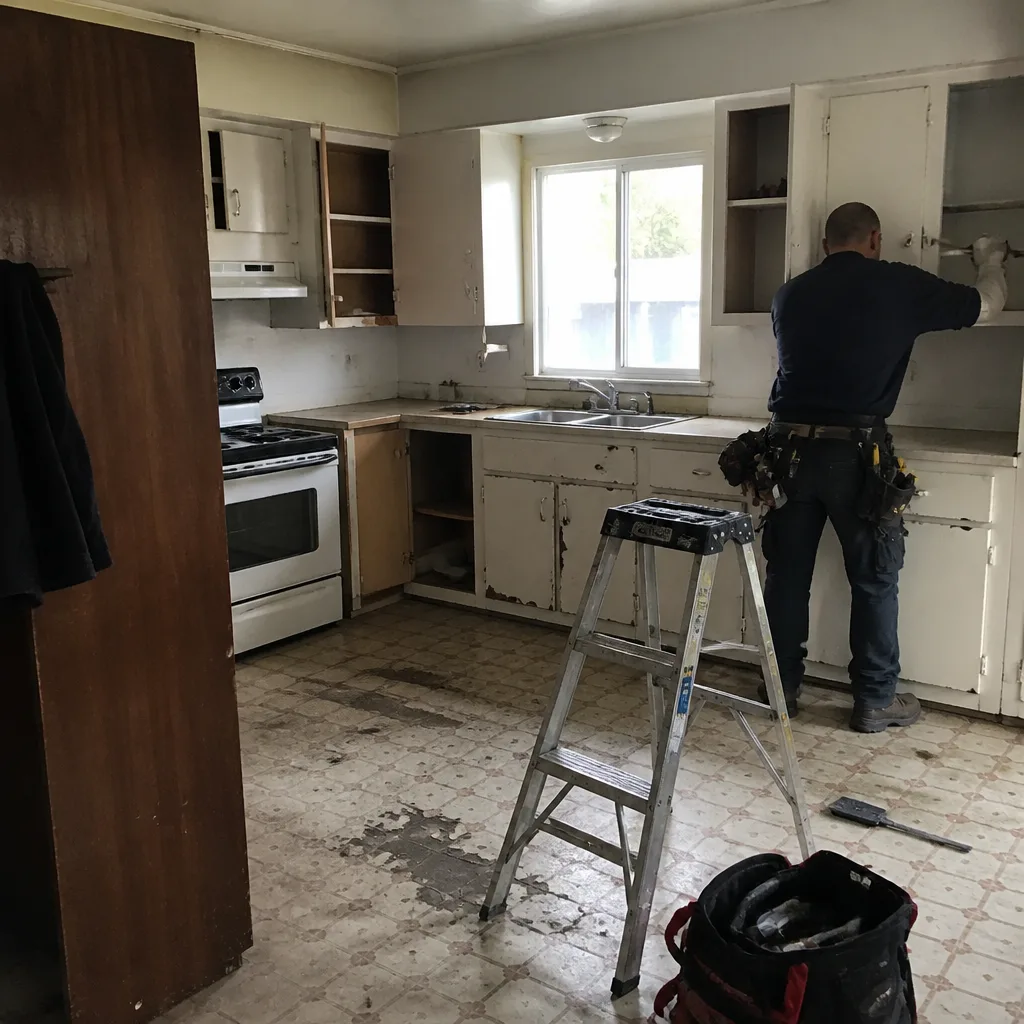 Before
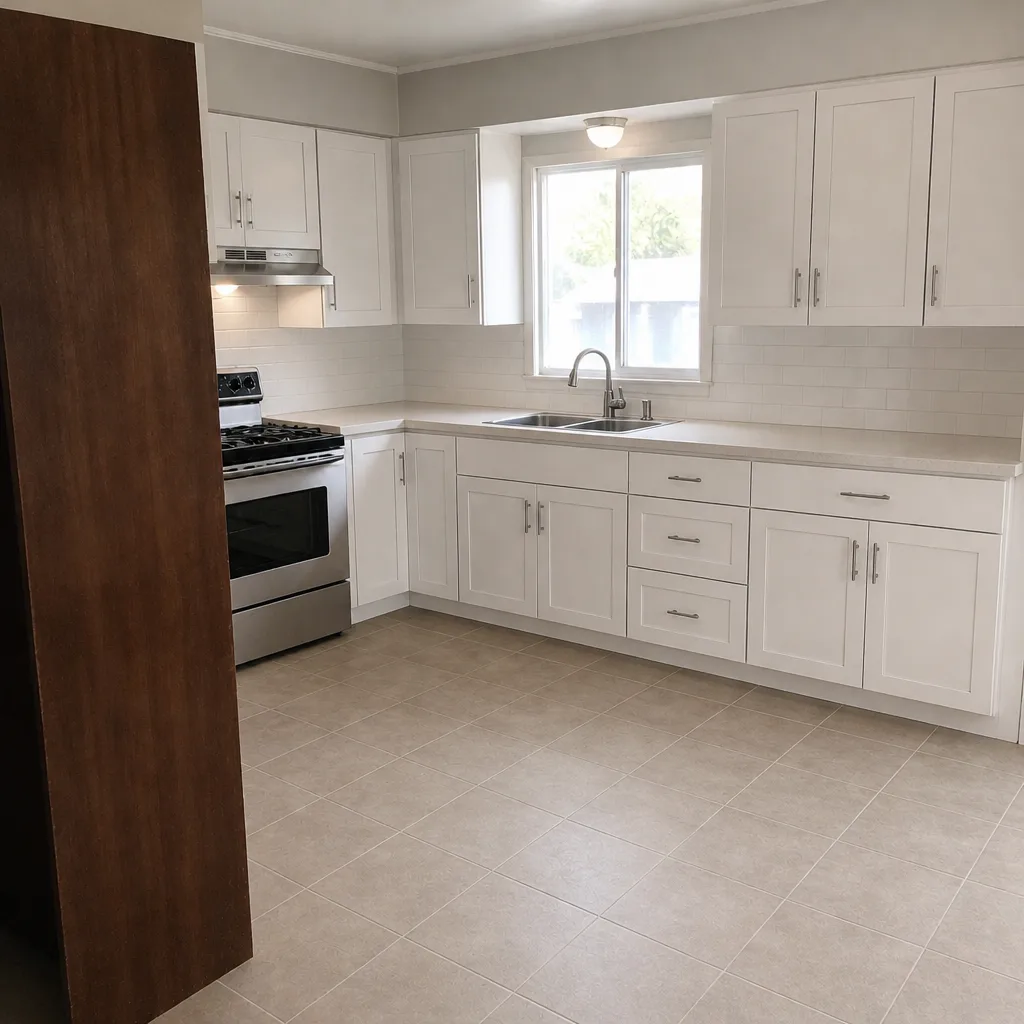 After
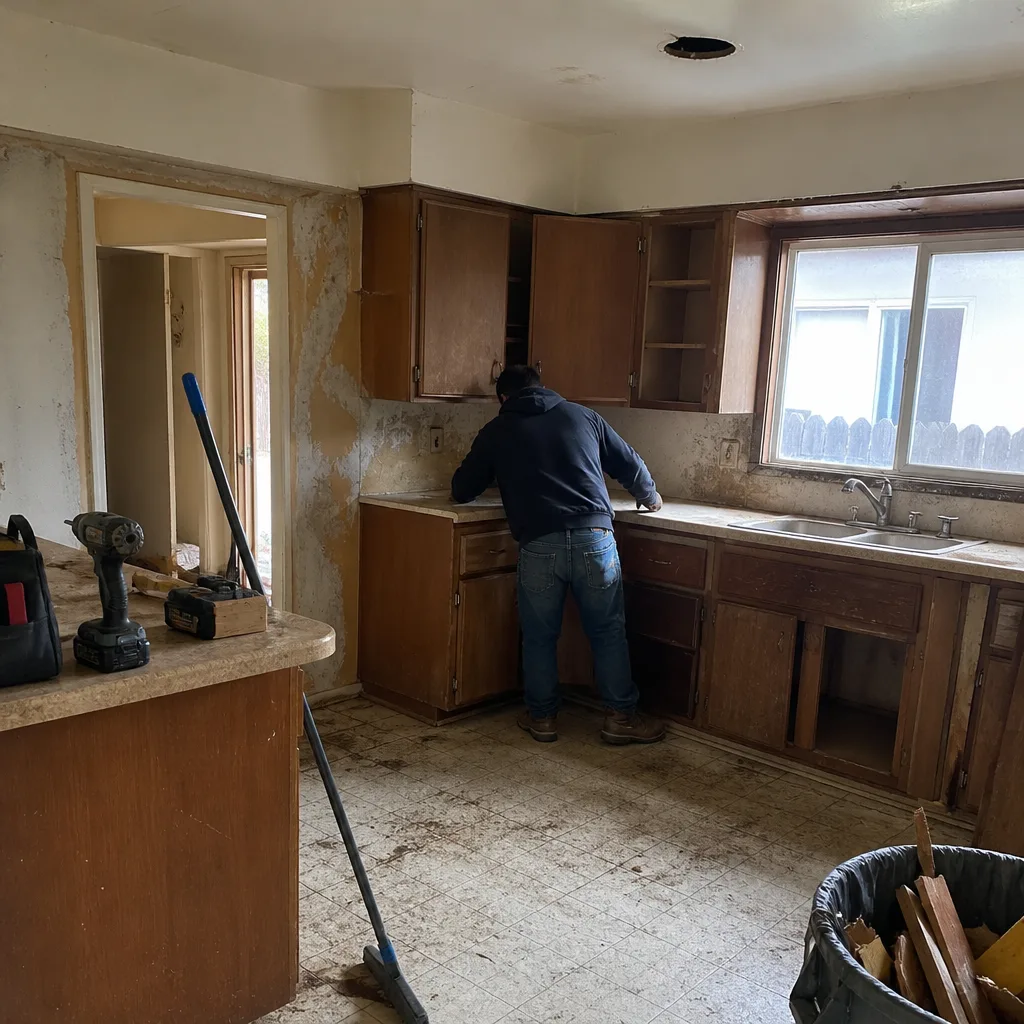 Before
 After
Signs You Need a New Roof in Long Beach, CA: Read the Decking, Not the Curb
The most reliable sign you need a new roof in Long Beach is a surface that still looks fine from the street while the decking underneath is soft, stained, or termite-damaged. Missing shingles and attic daylight are real warnings, but in this city’s older wood-frame housing stock the surface often looks acceptable months after the structure has already failed. If you’ve spotted chalky grit in your gutters, rusted fasteners, or a spongy feel near the eaves, call (888) 345-8164 for a decking and flashing assessment before you make any decision about replacement.
Key Takeaways
- Salt air and marine UV age asphalt shingles faster than their printed lifespan suggests.
- Termite galleries in roof decking can compromise a Long Beach bungalow while the shingles look intact.
- Rusting fasteners on metal flashing are a coast-specific sign that water is already getting in.
- A surface walk isn’t enough. A full decking and flashing inspection tells you what’s actually happening.
Why the Curb View Lies in Long Beach
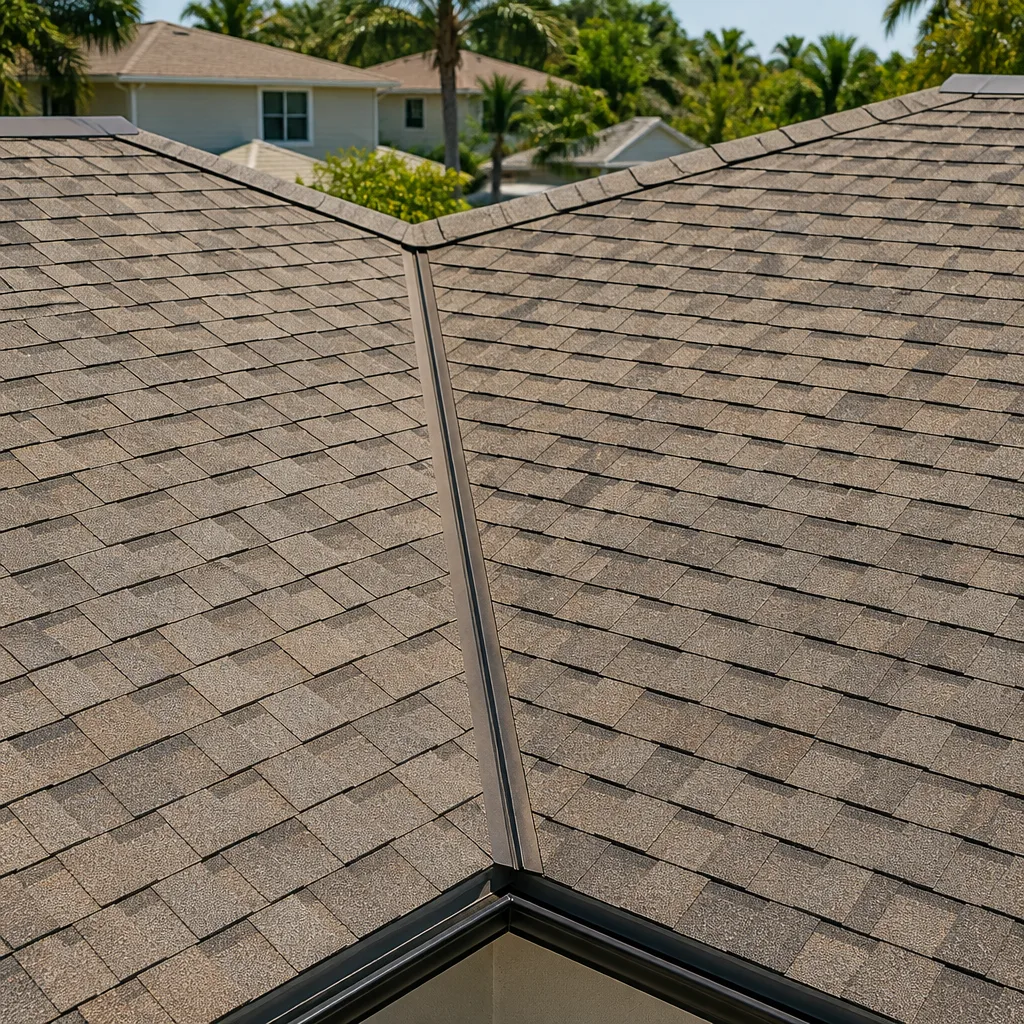
Drive through Rose Park on a Saturday and you’ll pass dozens of 1920s-40s bungalows with roofs that look presentable from twelve feet away. Step onto one during a roof assessment and the story changes. The shingles may be a few years old, but the decking beneath them can flex underfoot, show moisture staining around penetrations, or carry termite galleries that have been quietly hollowing out the framing for years. That’s the gap most “signs you need a new roof” checklists don’t close.
The reason is the housing stock. Long Beach mixes Spanish Colonial Revival and Craftsman bungalows with dense stucco fourplexes and post-war tract homes, and a large share of it is old enough that the original roof structure has been patched, re-covered, or added onto over the decades. Salt air off the Port of Long Beach accelerates the decay on exterior wood, stucco, and fasteners. On the east side, the same coastal exposure hits fourplexes and garden apartments where nobody has inspected the roof deck in years.
Long Beach-Specific Signs That Say “Replace,” Not “Repair”
The generic checklist has its place, but these are the patterns we actually look for on Long Beach roofs. Each one points to a replacement conversation rather than a patch.
Chalky granule residue in gutters and splash zones
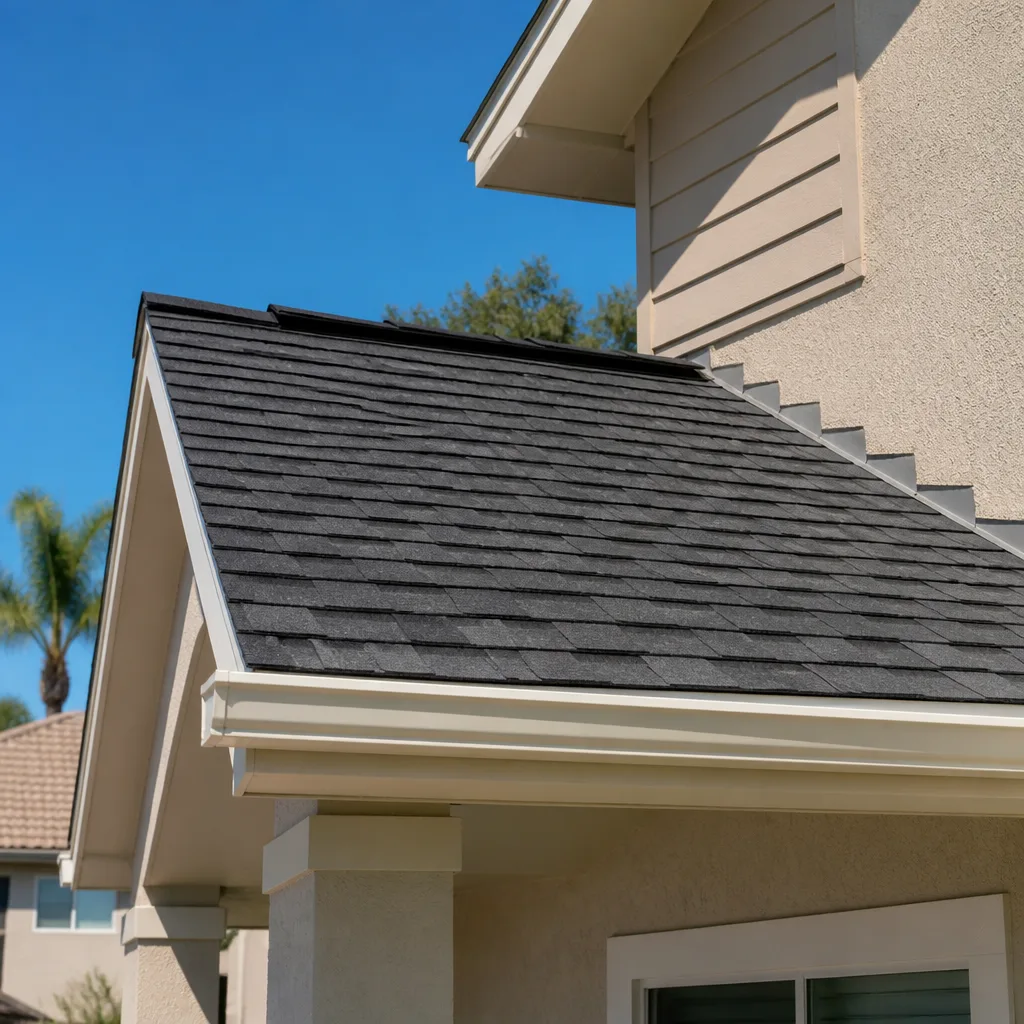
Salt-air granule loss on asphalt shingles shows up as a chalky, sandy residue collecting in gutters and on the concrete where your downspouts discharge. It’s a Long Beach-specific indicator that the shingle’s protective surface has worn down faster than its printed age suggests. If you’re vacuuming grit out of your gutters every few months and the roof is under 15 years old, the material is aging ahead of schedule. Granule loss like that shortens the life of any asphalt product, whether it’s a standard architectural shingle or a premium line like those from Atlas or Tamko.
Soft spots underfoot that are invisible from below
On 1920s-40s wood-frame bungalows in Rose Park and Belmont Heights, termite galleries in roof decking create spongy spots you can feel only when you’re up there walking the surface. From the attic, the same damage can be hidden by insulation, ceiling finish, or a low-slope design that blocks a clean view. If your roof is older than 20 years and hasn’t had a dedicated decking inspection, surface condition alone doesn’t tell you the story. That’s why our technicians inspect the decking on every roof assessment, not just the shingles.
Rusting or backing-out fasteners on metal flashings
This is the coast-specific sign most homeowners miss. The salt-air corrosion cycle loosens and rusts the fasteners holding exposed-nail metal flashings before the roof membrane itself fails. Water follows the fastener hole long before you see a ceiling stain. Check the flashing around chimneys, vents, and valleys, and look for nails that are backing out or have a halo of rust around the head. On Long Beach’s low-slope and stucco homes, corroded fasteners are often the first failure point.
Ponding water stains on exterior stucco walls
Stucco homes with flat or low-slope roof sections, common on Long Beach’s Spanish Colonial revivals, often announce a failing roof through exterior staining rather than an attic inspection. Look for water marks on the stucco near the roof edge, particularly after a rain event. The marine layer keeps moisture against these surfaces longer than inland areas, so staining that appears minor on a dry day can signal a drainage or membrane problem above it. If the walls are showing ponding stains, the roof needs a full assessment, not a spot patch.
When a Repair Is Still the Right Answer
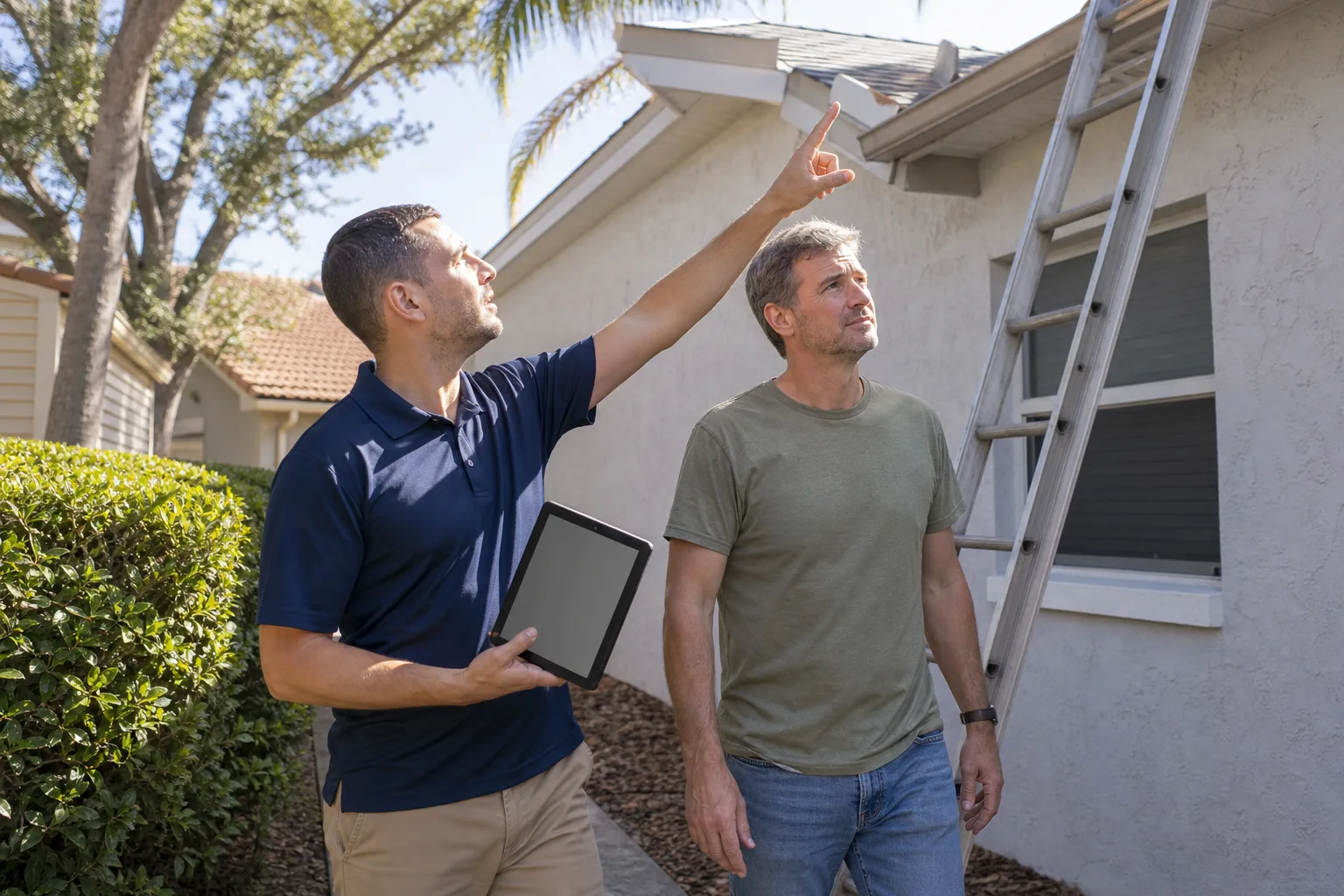
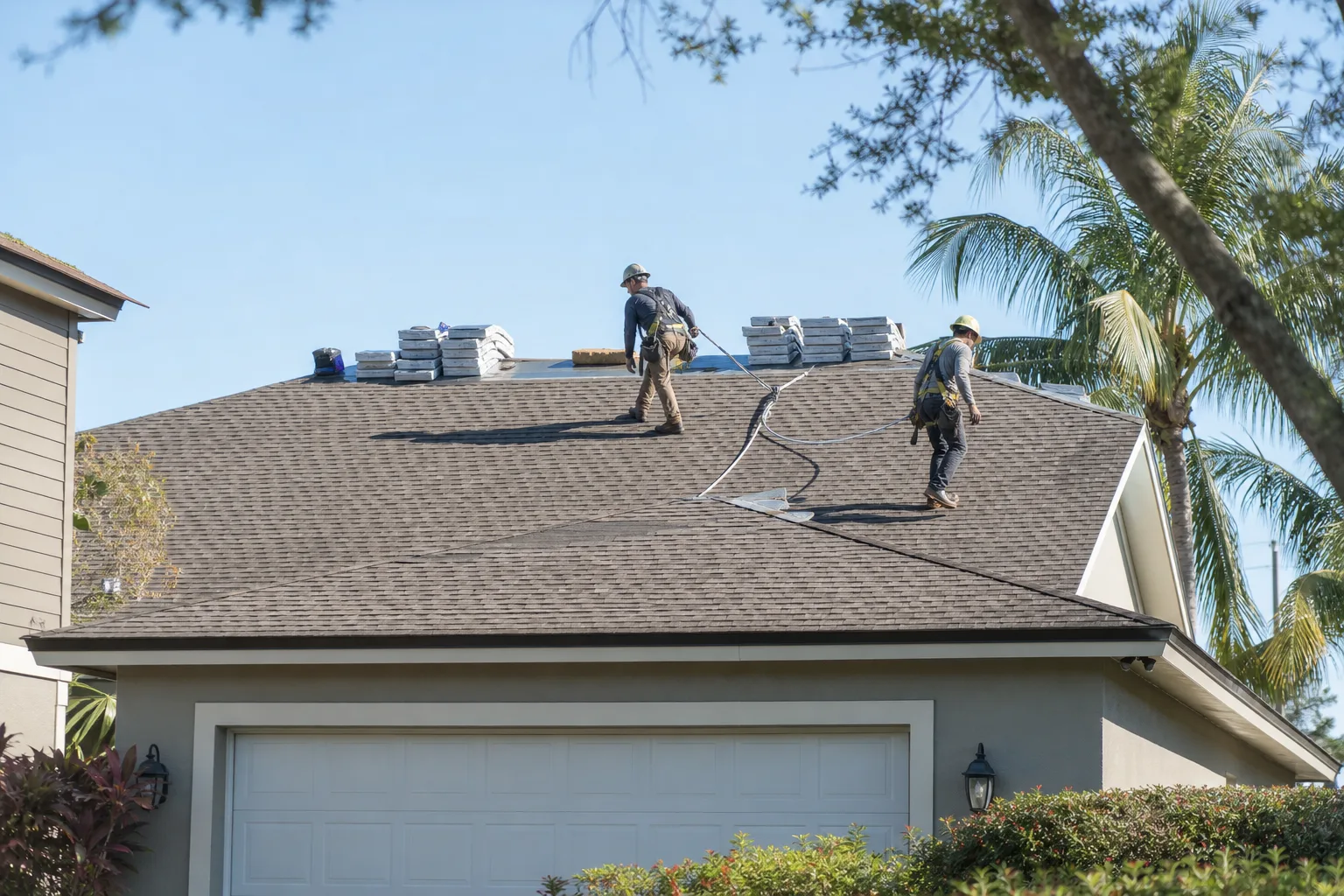
Replacement isn’t always the verdict. A single lifted flashing, a few wind-damaged shingles, or a localized leak around a vent can be handled without a full tear-off, especially on newer roofs or recently re-covered sections. Our Roofing team walks the surface, checks the decking and fasteners, and gives you a straight answer on whether you’re looking at a repair or a replacement. If the decking is sound and the shingles have life left, we’ll tell you to repair.
Where a replacement is warranted, we work with top-tier roofing brands including GAF, Owens Corning, Atlas, and Tamko, so you’re choosing a system with a known track record rather than whatever’s on the supply shelf. Every install is covered by our 730-Day Done Right Promise, which means if the workmanship isn’t right, we come back and make it right.
What a Full Roof Assessment Actually Covers
A proper assessment in Long Beach goes beyond a visual check from the ground and a peek in the attic. Here’s what a full inspection looks like:
- Surface walk: Shingle condition, granule loss, and the actual wear pattern across the whole roof.
- Decking check: A hands-on look for soft spots, moisture staining, and termite activity, because the deck is where replacement decisions are made on Long Beach’s older homes.
- Flashing and fasteners: Every exposed-nail flashing examined for rust and backing-out nails, since salt-air corrosion loosens them before the membrane fails.
- Drainage and stucco review: Ponding stains on exterior walls and roof-edge stucco for low-slope and Spanish Colonial homes.
- Attic inspection where accessible: Insulation, rafters, and ceiling finish, with a note where access is limited.
Groundwork Construction Co. of Long Beach sends background-checked, uniformed technicians on every assessment. Our technicians have up to 12 years of experience, and they know the difference between a roof that needs a patch and one that needs a tear-off. You’ll get upfront pricing with no surprises, a free project estimate and design consult, and the option to look at 0% financing for 18 months or $1,000 off projects over $10,000 if a replacement is the direction you go.
What Does a Roof Replacement Cost in Long Beach?
Roof replacement in Long Beach typically runs $8,000-$20,000, depending on size, pitch, materials, and how much decking needs to be replaced. Repairs are usually $400-$1,800, and metal roofing can reach $15,000-$40,000 on larger homes. Here’s the range:
| Service | Typical Range |
|---|---|
| Roof repair (flashing, shingle, small leak) | $400-$1,800 |
| Roof replacement (asphalt, full tear-off) | $8,000-$20,000 |
| Metal roof installation | $15,000-$40,000 |
| Tile roof repair | $600-$2,500 |
Decking replacement adds cost, and on Long Beach’s older wood-frame bungalows that’s exactly the variable a surface quote misses. That’s why we inspect the decking before we price anything. Upfront pricing means the number you see is the number you pay.
How Long Beach’s Old Stock Creates Roof Problems
The city’s building stock adds layers of complexity beyond the shingles. The permitting stack here includes Coastal Commission review, historic-district design review, and seismic retrofit rules, and on older multi-family buildings the soft-story requirements make structural work a routine, code-driven line of work. When a roof replacement uncovers un-permitted additions or original knob-and-tube wiring in the attic, that work needs to be handled correctly before the new roof goes on. Our crews work alongside independent local professionals who handle those trade-specific items, and we coordinate the whole job so the homeowner has a single point of accountability from foundation to finish line.
FAQs
The deciding factor is the decking and flashing, not the shingle surface. If the deck under the shingles is soft, stained, termite-damaged, or the fasteners are rusted out, replacement is usually the right call. If the deck is sound and the shingles still have life, a repair will often solve it. A full inspection settles which one you’re facing.
Yes. Salt air off the Port of Long Beach accelerates granule loss on asphalt shingles and corrosion on metal flashings, so roofs here often age faster than their printed lifespan suggests. That’s why we check for chalky residue in gutters and rust on fasteners on every assessment, not just shingle condition.
Not reliably. On Long Beach’s wood-frame bungalows, termite galleries in the decking create spongy spots you only feel by walking the roof, and they’re often invisible from the attic or the street. A hands-on decking inspection is the only way to know for sure.
The assessment is part of our free project estimate and design consult. There’s no charge to walk the roof, check the decking and flashing, and give you a written price. Call (888) 345-8164 to schedule; our line is answered by a live person 24/7.
If you’d rather have it looked at, Groundwork Construction Co. of Long Beach offers a no-pressure assessment in Long Beach. We’ll walk the roof, check the decking and flashing, and tell you honestly whether you’re looking at a repair or a replacement. Call (888) 345-8164 for your free estimate. You can also see the full scope of our work on the Long Beach service area page or start from our home page.
Written by the team at Groundwork Construction Co. of Long Beach, serving Long Beach, CA.